Neal Dunn Health Comments Spark Backlash After Trump Mentions ‘Terminal’ Diagnosis

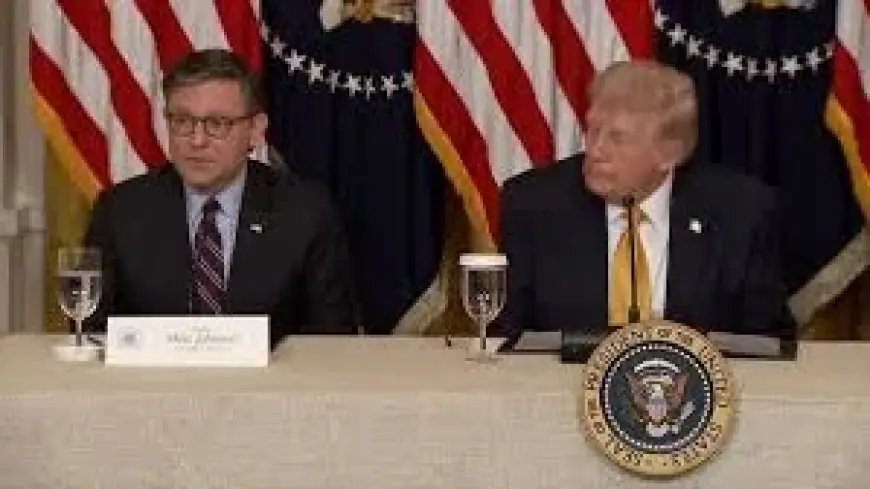
neal dunn became the focus of fresh political controversy after Donald Trump publicly discussed a House Republican congressman’s grim health diagnosis in remarks that included a “dead by June” line and drew widespread shock, while a separate account described Trump’s doctors giving Neal Dunn a “new lease on life” after the congressman had months to live.
What Trump said and why it drew attention
The latest burst of attention centers on Trump bringing up a House Republican lawmaker’s serious medical situation in a public setting and drawing House Speaker Mike Johnson into the moment. The remarks were characterized as a tangent and framed around an unusually blunt claim that the congressman faced a terminal prognosis, with the phrase “dead by June” highlighted as the line that stunned listeners.
The episode has fueled criticism because it involved a high-profile political figure discussing an elected official’s health in dramatic terms. The reaction described in the coverage points to astonishment and backlash tied to both the language used and the decision to make the health discussion part of a broader political appearance.
Details in circulation about Neal Dunn’s diagnosis and treatment
In addition to the accounts focused on the “dead by June” remark, another published report framed the situation differently, saying Donald Trump’s doctors gave Neal Dunn a “new lease on life” after the congressman had months to live. That description suggests a shift from an earlier bleak outlook to an improved one following medical care connected to Trump’s physicians.
The available information does not provide additional medical specifics, dates, or diagnostic details, and it is not clear from the coverage exactly when the prognosis was made or when the treatment occurred. What is clear is that neal dunn’s health has been placed at the center of a fast-moving news cycle because of the way the subject was raised publicly and the conflicting emphasis between a grim diagnosis and a later account of improved prospects.
What happens next
For now, the story remains driven by public reaction to the comments and by competing framings of the underlying medical situation: one emphasizing a terminal diagnosis invoked in blunt language, and another emphasizing that doctors associated with Trump helped improve Neal Dunn’s outlook after he had months to live.
Absent additional confirmed details in the public record provided here, the central development is the political fallout from the remarks themselves and the renewed scrutiny on how leaders talk about the private health matters of public officials.