Wcnc Weather: Charlotte Airport Ground Stop Triggers Major Flight Delays and Cancellations

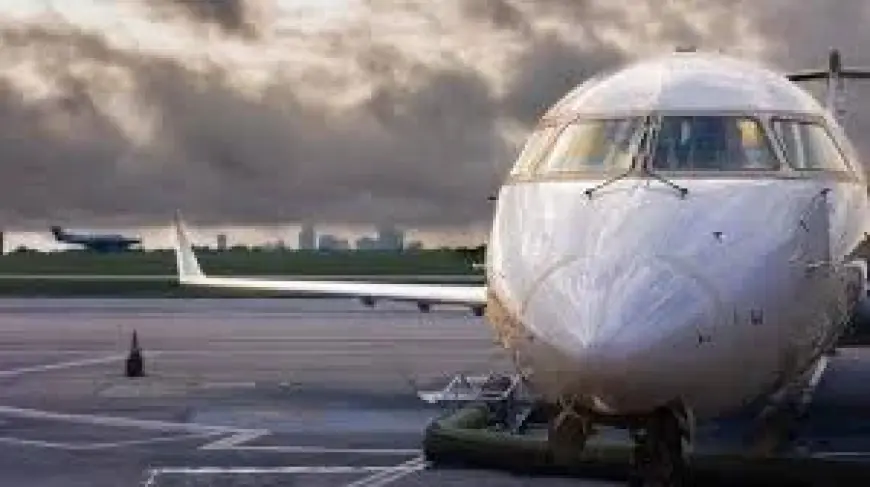
wcnc weather became an immediate point of focus for travelers in and out of Charlotte as severe storms in the area prompted the FAA to order a ground stop at Charlotte/Douglas International Airport, setting off a chain of delays and cancellations that disrupted flights well beyond North Carolina.
FAA Orders Ground Stop as Severe Storms Hit the Charlotte Area
The FAA ordered a ground stop at Charlotte/Douglas International Airport due to severe storms in the area, halting certain flight operations as conditions affected the airfield and surrounding airspace. The move quickly changed the travel picture for passengers with departures, arrivals, and connections tied to Charlotte, one of the country’s busiest hub airports.
Storm impacts also extended into the terminal experience, as travelers faced shifting schedules and the uncertainty that comes with weather-driven air traffic restrictions. With the ground stop in place, the immediate effect was fewer aircraft able to depart or arrive on their planned timelines.
Delays and Cancellations Mount, Stranding Passengers
The storm system contributed to flight delays and cancellations in Charlotte, leaving many passengers stuck as airlines worked through a growing backlog of disrupted flights. The disruption was not confined to a single carrier. Multiple major airlines were affected, including American Airlines, Delta, Southwest, and Spirit.
In the most visible tally tied to the disruption, the storm event was linked to 53 cancellations and 290 delays at Charlotte/Douglas Airport. The result was thousands of passengers stranded across the U. S., with the knock-on effects reaching routes connected to major cities including New York, Los Angeles, Chicago, and Miami.
While severe weather was the central driver, the operational reality at a major airport is that once flights begin to fall out of sequence, it can take time for airlines and airport operations to restore normal flow. That can leave travelers dealing with rebookings, extended waits, and missed connections as schedules attempt to recover.
How the Disruption Rippled Across U. S. Routes
Charlotte’s flight network means disruptions can spread quickly beyond local travelers. When storms force a ground stop and slow the airport’s ability to handle aircraft, flights bound for Charlotte may be held at origin airports, and departures out of Charlotte may not be able to leave, creating a cascading effect throughout airline networks.
The latest disruption impacted travel tied to several of the country’s largest markets. Flights connected to New York, Los Angeles, Chicago, and Miami were among those affected as the storm-driven restrictions in Charlotte fed into broader airline schedules. The result was a nationwide footprint, even though the trigger was severe weather concentrated around the Charlotte region.
For passengers, that meant the consequences were not limited to those physically in North Carolina. Travelers elsewhere could face delays, cancellations, or missed connections if their itinerary depended on aircraft or crews cycling through Charlotte during the disruption. As the situation developed, wcnc weather remained a central factor in how quickly operations could stabilize.