Mmr Vaccine Uptake In London Sparks Concern As Measles Resurgence Hits Boroughs

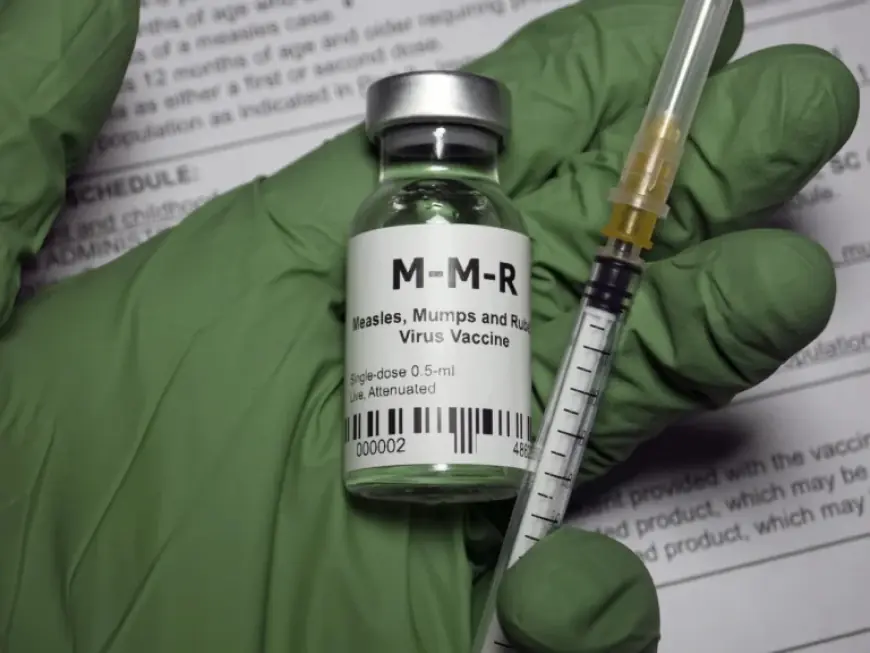
Measles cases have spread to at least seven London boroughs, renewing attention on the mmr vaccine as health officials issue symptom warnings and communities face localized outbreaks.
Mmr Vaccine Coverage: Slight Slip, Not Collapse
National figures show uptake of the measles, mumps and rubella immunisation has slipped in recent years but remains well above the low point seen in the early 2000s. The UK Health Security Agency indicates national coverage currently stands at around 88. 9 percent, below the near-93 percent peak recorded in 2013-14 but markedly higher than the roughly 80 percent low in 2003. That historical context frames assessments that the current situation reflects a decline rather than a systemic collapse.
Case totals have fluctuated: a spike in 2024 saw roughly 2, 900 infections recorded, followed by a sharp fall to fewer than 1, 000 confirmed infections in 2025. So far this year the total stands at 195 confirmed cases, and extrapolations in public commentary suggest that, if that pace continued, the year would end with roughly 936 cases nationwide. Those trajectory notes are presented as context rather than forecasts of inevitability.
London Spread Concentrated In A Few Boroughs
In the capital, confirmed infections are clustered. Enfield has recorded 80 cases since the start of the year and Haringey 15; those two boroughs together account for 95 of the 146 cases documented in London. Because the health agency publishes borough-level counts only where ten or more infections have been recorded, the agency’s data imply that the remaining documented infections in the capital are spread across at least five additional boroughs.
The agency has acknowledged that recorded figures are likely to underestimate the true number of infections because of reporting lags. Outside London, Birmingham is the hardest hit area identified, with 43 cases since the start of the year. The North Central London Integrated Care Board, which oversees Barnet, Enfield, Haringey, Camden and Islington, says the outbreak is mainly affecting children in schools and nurseries and that the most severe cases requiring hospital treatment have been linked to unvaccinated patients.
Local public-health leaders have urged a rapid boost to uptake, stressing the vaccine is safe and effective and that increased coverage can prevent further clusters of infection.
Modelling, Local Risks And Political Debate
A modelling paper from the national health agency examined hypothetical scenarios and set out a wide worst-case range for a major London outbreak between 40, 000 and 160, 000 infections. That modelling is presented in the document as scenario planning rather than prediction; the same work states that, on the basis of current evidence, the risk of a widespread measles epidemic across Britain is low.
The modelling anticipates narrower, localised outbreaks in communities where vaccination rates are lower, including some migrant populations and international travellers, and suggests these outbreaks are unlikely to spread widely across the general population. Those technical caveats have become part of a broader public debate over how the situation has been framed politically. Senior political figures have linked vaccine scepticism with elements of the populist right, and critics warn that turning a manageable public-health issue into a partisan argument risks undermining the civic consensus needed to sustain vaccination programmes.
What happens next will depend on whether uptake can be boosted quickly in the communities most affected and on the timeliness of case reporting. For now, health officials and local leaders are focused on targeted vaccination efforts, symptom warnings for households, and preventing further spread in schools and nurseries while national risk assessments continue to flag localised vulnerability rather than an imminent nationwide epidemic.