Lindy West Profile Sparks New Debate Over Triads and Open Marriages

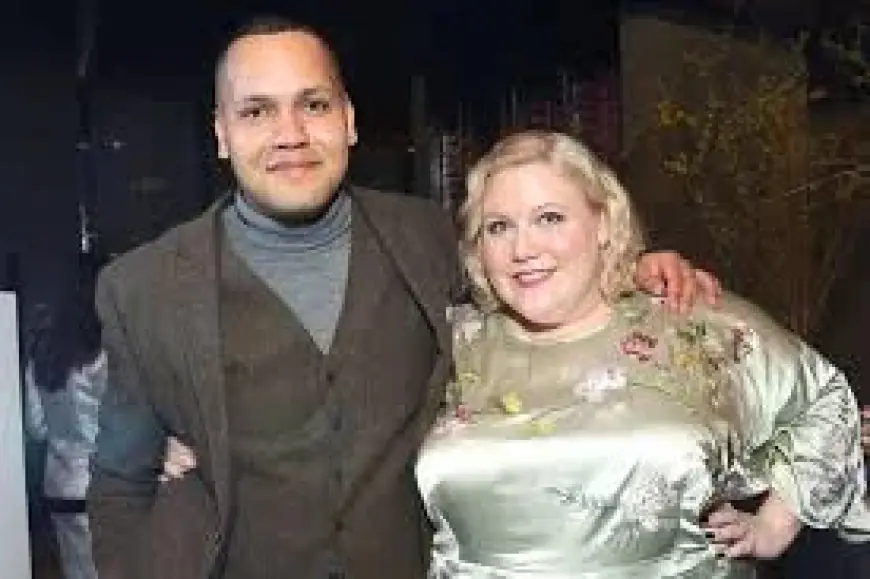
New coverage featuring lindy west and her relationship has put renewed attention on nontraditional partnerships, after accounts described a shift from marital strain to life in a self-described “triad, ” while separate commentary argued that open marriages “never work. ”
What the New Coverage Says About lindy west and a “Triad”
The latest wave of articles centers on a personal relationship arc: a best-selling writer who cried when her husband said he would date other people, and who is now described as “happily” in a “triad. ” Another piece frames a similar turning point more starkly—she thought about divorcing her husband, but instead entered a throuple, with an author visiting her to understand why.
Across the stories, the key development is not a single announcement or formal statement, but the publication of multiple high-profile narratives and responses at once. Together they move the conversation from private decision-making into a more public dispute: how people interpret the sustainability and meaning of relationship structures like triads, throuples, and open marriages.
Because the articles present the situation through reported narratives and opinion-driven framing, details such as timing, geography, and the identities of others involved are not established in the provided material. What is clear is the through-line: a relationship that appeared to be at risk of breaking down is now depicted as stabilized inside a three-person arrangement.
Lindy West at the Center of Competing Framings
At the same time the personal profiles circulated, a separate headline took direct aim at Lindy West with a categorical claim: “Open Marriages Never Work. ” That framing stands in tension with the other accounts, which emphasize a transition from distress to a reportedly happy triad.
The split illustrates how quickly personal stories about nonmonogamy become proxies for larger arguments. One side foregrounds a lived experience presented as working in the present tense; the other offers a broad dismissal of an entire category of relationship arrangement. The immediate consequence has been a sharper public debate, not only about what happened inside one marriage, but about whether any individual story can be used to generalize about outcomes for everyone.
Because the only confirmed information here is the existence and thrust of the headlines, it is not possible to verify what definitions each piece uses for “open marriage” versus “triad” or “throuple, ” nor how the writers distinguish among them. Still, the collision of the narratives is itself the news development: a set of high-visibility pieces pulling audiences toward competing conclusions.
What Remains Unclear, and What to Watch Next
The available context does not specify when these pieces were published, whether they were responses to one another, or how lindy west characterizes the relationship in her own words. It also does not provide on-the-record details about boundaries, commitments, or the day-to-day reality of the arrangement beyond the description of a happy “triad” and the suggestion that divorce had been considered.
What can be tracked from here is how the conversation evolves as readers weigh intimate storytelling against sweeping critique. The immediate next phase is likely to hinge on whether additional confirmed details emerge that clarify what kind of relationship structure is being discussed and how its participants define success. For now, the public record in the provided material shows a single point of consensus: the story has prompted strong reactions, with one set of accounts presenting a workable outcome and another insisting such arrangements fail.