St Patricks Day Parade In Boston Sparks Heightened Security Amid Iran Conflict Tensions

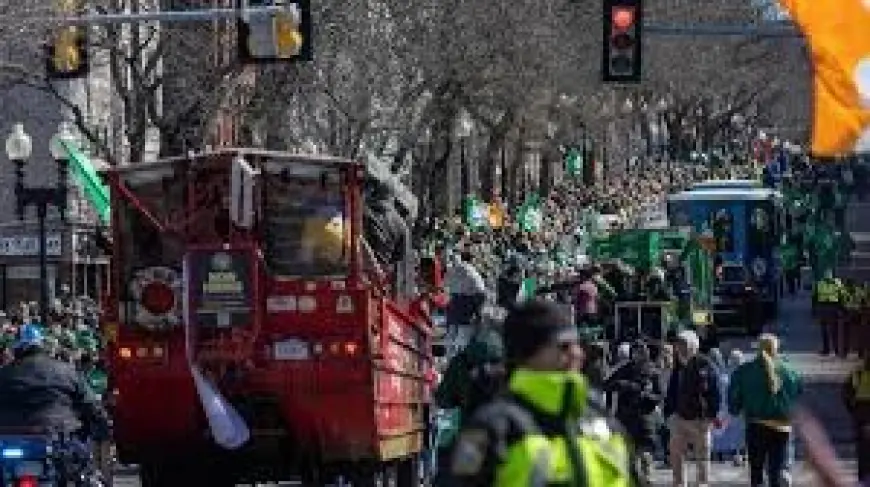
Boston officials have tightened security for the st patricks day parade, saying there is no credible threat while urging vigilance amid heightened geopolitical tensions.
Security Ramped Up, With No Credible Threat Identified
City leaders said enhanced measures are in place for one of Boston’s biggest annual events, which is expected to draw around one million spectators. Mayor Michelle Wu said there is no specific or credible threat to the event, but emphasized a focus on preparedness.
City councillor Ed Flynn underscored the posture, noting the need to work closely with federal partners and to recognize broader risks. “We have to acknowledge we live in a dangerous world and American cities have to be prepared, ” he said, adding that incidents in New York can have direct implications for Boston.
Retired Boston police chief Dan Linskey said the Joint Terrorism Task Force will play a key role overseeing Sunday’s parade. The city’s approach reflects a layered security plan built around intelligence, coordination, and visible presence across the route.
St Patricks Day Parade Route Reversed For Historic Commemorations
This year’s route will be walked in reverse, part of a one-time change that organizers say symbolically “rewinds” the moment celebrated by the event. The shift coincides with the 250th anniversary of the United States and with Evacuation Day, which falls on March 17, the same day as St Patrick’s Day. The st patricks day parade remains a central feature of the city’s seasonal calendar, and the route adjustments were planned in advance to align with the commemorations.
City officials have presented the route reversal as a ceremonial nod to the historic milestones, while assuring residents and visitors that security resources are being deployed with flexibility to match the altered flow of crowds.
Heightened Awareness After New York Arrests And Iran Tensions
Enhanced vigilance follows the recent arrest of two teenagers in New York City who were charged with using a weapon of mass destruction and providing material support to Islamic State after an alleged attack at a protest outside the home of a city official on March 7. One of the suspects allegedly told investigators he wanted an attack “even bigger” than the 2013 Boston Marathon bombing, which killed three people and injured hundreds near the finish line.
Separately, U. S. intelligence services recently intercepted encrypted communications believed to have originated in Iran, prompting a federal alert urging heightened situational awareness. The message was described as potentially intended to activate or direct prepositioned sleeper assets abroad, though the contents were not fully determined. Officials stressed that there is no confirmation connecting those transmissions directly to events in Boston.
Local leaders said the city’s security posture reflects this broader context. Flynn emphasized the need for ongoing intelligence gathering and coordination, while Linskey’s assessment pointed to an expanded role for the Joint Terrorism Task Force throughout the event.
Boston’s experience in 2013 continues to inform security planning, from crowd management to rapid response. While officials reiterated the absence of a known threat to the parade, they encouraged attendees to remain alert, cooperate with directives along the route, and report concerns to authorities.