Richard Ashcroft Explains ‘Bittersweet Symphony’ Origins in Britain, Sparks Reappraisal of Song’s Spiritual Roots

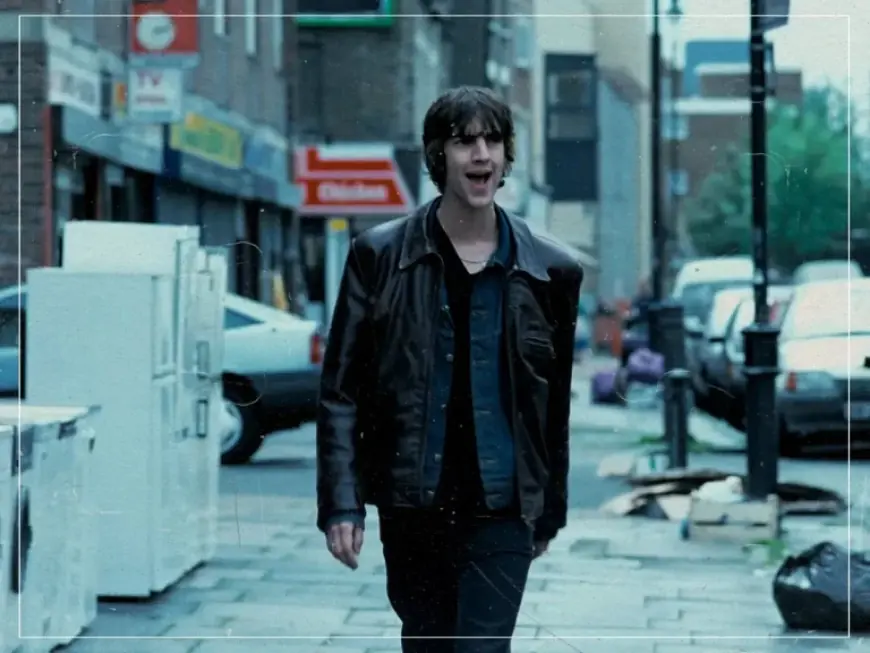
richard ashcroft has described a blend of spiritual practice, visualization and cinematic ambition as the wellspring for the Verve’s breakthrough anthem, saying the song emerged from what he called an “infinite pool” rather than from a single borrowed riff.
Visualisation, mysticism and the “universal mind”
In remarks from 1998, made shortly after his band’s third album elevated them to international prominence, he said, “People are afraid to use the word spiritual, ” and explained that he was “a firm believer in songs coming from an infinite pool, and you have to be in a certain state of mind to get them. ” He traced part of that mindset to training with his stepfather, described as a former practising mystic in an ancient secular order, and recalled using those techniques in youth to heal football injuries or to anticipate events.
Ashcroft characterised his creative process as an act of construction: visualisation that allows a creator to “construct the future, to somehow have an influence over the future. ” He linked that approach to songwriting by saying the real skill was entering the right mental frame to retrieve material already floating around, rather than relying solely on technical craft.
Richard Ashcroft on ‘Bittersweet Symphony’ and the sample
On the origins of the song commonly seen as the peak of the era, he described a gradual emergence rather than a single inspiration. He said he did not start with a specific melody or lyric but followed a feeling that initially sought a wide, cinematic sound—”a modern-day Ennio Morricone kind of thing”—that then evolved into what he called “this wall of sound, a concise piece of incredible pop music. “
Noting how the album’s liner credits listed the song under well-known songwriting names, he acknowledged the confusion that caused, particularly among new listeners who assumed the track was an obscure cover. He clarified that the band used a small sample from an orchestral cover of a Rolling Stones track, but that the resulting piece was otherwise an original creation pulled from the state of mind he described.
Why his account matters for the song’s reputation
The frontman’s explanation reframes the hit as less a retroactive discovery than a product of deliberate inner practice. He maintained that visualisation can bring forward work that feels preexisting: “I used to know when a song would be on the radio, ” he said, recounting how he would have a tape player ready and seemed to have the knack for finding a song the moment it appeared.
That depiction links artistic inspiration to personal discipline and a particular set of beliefs rather than to imitation. While some details about the longer-term consequences of the song’s creation and its credits lie beyond this account, the immediate claim is clear: the track was conceived through a mixture of creative intent, cinematic reference points and a small sampled element, rather than as a straight cover.
What remains uncertain and what this account clarifies
Elements of the story are presented as personal memory and interpretation. He conceded that the state of mind that yields songs is not fully explainable—”You don’t know why you’re in that state of mind”—and the description ends on that note of acknowledged mystery. The core confirmed points are his belief in an “infinite pool” of songs, the role of visualisation and mystic influence in his formation, the cinematic aims behind the arrangement, and the use of a limited orchestral sample combined with original composition.
The account offers a grounded, first-person explanation of how the anthem took shape, and frames its creation as driven by an internal practice as much as by musical craft. For listeners and observers, that places the song’s distinctiveness in the realm of creative mindset as much as musical borrowing, while leaving open the larger interpretive questions Ashcroft himself says are difficult to fully pin down.