People Drive a Split Spotlight as Oscars 2026 Crowns ‘One Battle After Another’ While Myths Go Viral

People searching for what’s driving the latest pop-culture chatter are landing on two very different but fast-moving topics: a major Oscars 2026 winners recap led by a Best Picture win for One Battle After Another, and a viral-style prompt inviting users to share “the dumbest myths” many still believe in 2026.
Oscars 2026: Best Picture and acting wins lead the recap
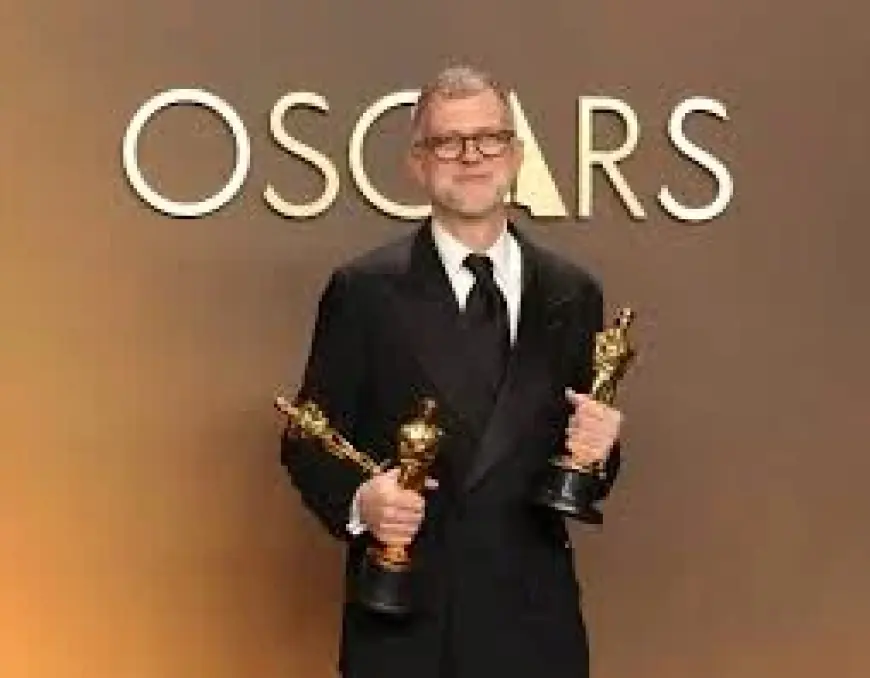
The clearest, confirmed headline from the Oscars 2026 recap is that One Battle After Another was named Best Picture. The same winners rundown also highlights two acting awards: Jessie Buckley and Michael B. Jordan both took home acting honors.
Separate coverage framed the ceremony as “an Oscars night that spread the love, ” emphasizing a tone of shared recognition across the event. The available information does not specify which additional categories were highlighted in that takeaways piece, but the overall thrust was a recap focused on how the night’s recognition was distributed.
What’s also notable about the immediate search demand is its utility: readers are looking for the essentials—who won, what won, and what the main themes of the night were—rather than extended analysis. In that sense, the winners and the “takeaways” framing are serving two overlapping needs: a straight recap for quick confirmation and a broader summary for readers who want the mood and meaning of the ceremony in fewer words.
People are also sharing “the dumbest myths” they still believe in 2026
Running alongside Oscars interest is a separate, highly clickable prompt built around collective confession and disbelief: “People are sharing the dumbest myths we all still somehow believe in 2026, and yikes. ” The headline signals a conversation driven by everyday misconceptions—presented as surprising, persistent, and sometimes cringe-inducing—rather than a single news event.
While the specific myths are not detailed in the available summary, the structure of the headline points to a social-sharing format where participants submit examples and react to one another’s entries. The “and yikes” phrasing suggests the tone is part astonishment, part self-recognition—an invitation for readers to scan, compare, and add their own.
In practical terms, this kind of story tends to move because it creates low-friction participation: readers don’t need specialized knowledge to engage, only a memory of something they once heard or believed. That makes it an easy complement to a high-profile, scheduled event like the Oscars, with both feeding the same broader moment of online conversation—one anchored in awards outcomes, the other in shared cultural habits and misconceptions.
What happens next: recaps and reactions continue to compete for attention
For now, the biggest confirmed Oscars takeaway is the Best Picture win for One Battle After Another, alongside acting wins for Jessie Buckley and Michael B. Jordan, with another recap emphasizing a night that “spread the love. ” At the same time, the myths prompt is positioned to keep circulating as people continue trading examples and reacting to what others submit.
As long as people keep looking for quick, definitive answers on winners while also chasing lighter, conversation-driven reads, both threads are likely to remain in the mix—one focused on awards results, the other on the kind of beliefs that linger long after they should have disappeared.