Mco Airport Storms Hit Orlando During Peak Spring Break Travel, Triggering Delays and Cancellations

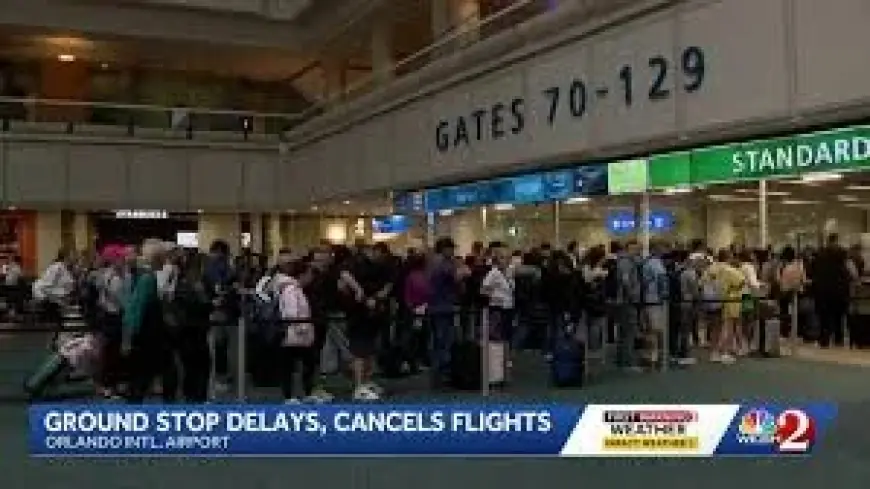
mco airport was hit by storms as Orlando moved through what has been described as its busiest spring break travel period, disrupting flights on a day flagged as the season’s busiest for travelers. The weather impacts landed as carriers across multiple major U. S. cities faced a surge of delays and cancellations, leaving many passengers stuck in terminals and scrambling to rebook.
Storms Disrupt the Busiest Spring Break Day at Mco Airport
Storms struck as crowds moved through Orlando’s main airport during a peak spring break rush. The timing compounded the strain on airport operations because the day was characterized as the busiest of the spring break travel period at MCO.
The storm-driven disruption added to what travelers were already experiencing: packed concourses, tight connection windows, and limited flexibility when schedules begin to slide. With the airport in its busiest stretch of the season, even short-lived disruptions can ripple across gate availability and departure sequencing.
Details such as the duration of the storms, the number of impacted departures at the airport itself, and the precise timeline of operational recovery were not available in the provided information. Still, the overall effect was clear: bad weather arrived at the same moment Orlando’s spring break demand peaked.
Orlando’s Busiest Spring Break Period Adds Pressure
Orlando Airport was described as experiencing its busiest period for spring break travel ever. That baseline level of volume matters because it limits the room airlines and airport teams typically use to absorb disruptions.
In high-traffic travel windows, flight schedules are denser and terminals are more crowded. When weather interrupts operations, the backlog can grow quickly as departures are slowed, gate assignments become harder to manage, and aircraft rotations fall behind plan.
In this environment, the difference between a manageable delay and a major disruption can come down to how fast normal operations resume. The information provided does not specify when conditions improved or how quickly flight schedules stabilized, so the extent of recovery remains unclear.
Hundreds Stranded as Airlines Face 409 Delays and 55 Cancellations Across Major Cities
The disruptions in Orlando occurred as major airlines including Delta, Spirit, Southwest, and American Airlines faced broad operational impacts across multiple U. S. cities. In total, the provided information cited 409 delays and 55 cancellations spanning Orlando, New York, Chicago, Miami, and other major cities.
With hundreds of travelers described as stranded, the combined effect suggests a network-wide squeeze, where disruptions in one place can cascade into others. When large hubs or high-volume destinations are affected at the same time, passengers can find fewer alternative seats, longer rebooking lines, and limited same-day options.
It was not specified how many of the 409 delays and 55 cancellations were directly tied to Orlando versus other cities, or whether the impacts were primarily caused by storms at one airport or a mix of factors. What is confirmed in the provided information is that storms struck at MCO on the busiest day of spring break travel there, while airline delays and cancellations were also mounting across several major U. S. markets.
For travelers, the immediate consequence was uncertainty: delayed departures, potential missed connections, and the possibility of canceled flights during one of the most heavily traveled periods of the season.