Road Conditions Kansas City: Snow Winds Down but Monday Morning Travel Could Turn Slick

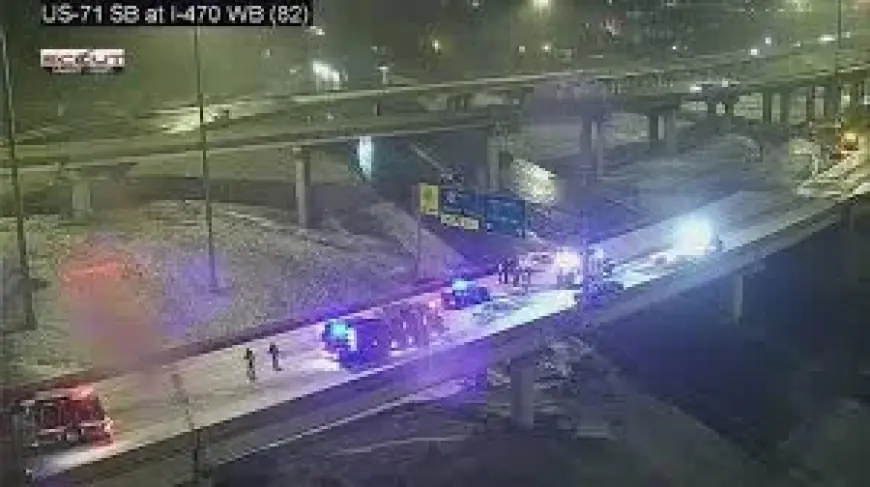
road conditions kansas city were expected to remain a focus into Monday morning even as snow was winding down, with forecasts highlighting the risk of slick travel, patchy ice, and dangerous cold to start the workweek.
Snow Eases, but Slick Spots Remain a Monday Concern
As the latest round of snow tapered off, the immediate concern shifted from steady snowfall to what could be left behind on streets and highways. Forecasters warned that Monday morning travel could still be slick, a scenario that often develops when snowfall diminishes but surfaces remain cold enough for lingering moisture to freeze.
Drivers heading out early were urged to be prepared for changing conditions that may vary by location, including untreated or less-traveled roads where snow and ice can persist after wider routes begin to improve. Even with snow winding down, the risk of sudden slick patches can complicate commutes and slow traffic.
Road Conditions Kansas City Forecast Highlights Patchy Ice and Sub-Zero Wind Chills
Forecast messaging around road conditions kansas city emphasized two main hazards at the start of the workweek: patchy ice and sub-zero wind chills. Patchy ice can be especially difficult to spot, and it can form in areas where pavement temperatures stay low and thin films of moisture freeze.
At the same time, dangerous cold and sub-zero wind chills were part of the outlook, reinforcing why roads may not improve as quickly as they would during a typical winter warm-up. When wind chills drop sharply, it can also make any time spent outside—whether clearing a car, walking to transit, or addressing a roadside issue—more hazardous.
Cold Start, Then a Shift Toward Springlike Conditions
While the workweek was expected to begin with dangerous cold, the forecast also pointed to a notable change later: spring was expected to “take over. ” The timing and details of that shift were not specified in the available information, but the overall expectation was for a move away from the harsh start.
That kind of transition can affect travel conditions in different ways. In the near term, the cold supports continued slick spots where snow or meltwater remains. Later on, a warming trend can help improve traction as ice and packed snow break down, though conditions can still vary based on where and how quickly temperatures change.
For now, the clearest message remained focused on the immediate commute: even with snowfall diminishing, the combination of cold air, wind chills, and patchy ice could keep travel tricky into Monday morning.