Prix Essence Quebec Sparks Surge, Leaves Pump Prices Approaching $2 Per Litre

Rising global supply disruptions tied to the conflict in the Middle East have driven the prix essence higher across Quebec, with some pump prices climbing past 184 cents per litre and experts warning the cost could reach $2 per litre in the coming days.
Prix Essence: Pump Prices Top 184. 9 Cents in the Montreal Region
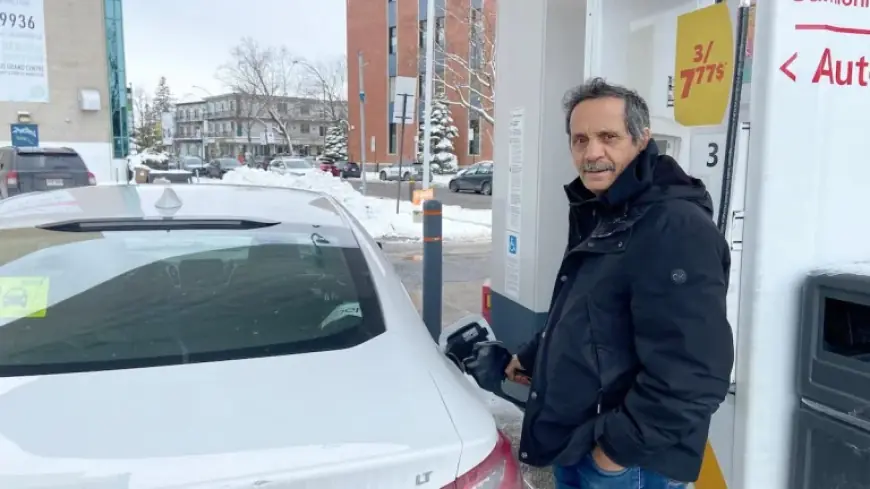
Stations in Montreal and surrounding suburbs recorded prices as high as 184. 9 cents per litre at peak moments, with other pumps showing figures in the high 170s. In several neighbourhoods, motorists said they were paying more than 180 cents per litre; one Montreal driver, Bouzid Essakhi, said he spent 188. 9 per litre at a station in Saint-Michel. Another station posted 183. 9 cents at a major intersection downtown, and a provincewide average measured in the high 170s on Saturday afternoon.
Shoppers and commuters described changing behaviour at the pumps: some are filling less each visit, others say they have no choice but to drive for work. These price jumps are translating into broader household pressure as fuel bills rise.
Strait of Hormuz Blockade Drives Global Supply Shock
Industry analysts point to the blockade of the Strait of Hormuz as the immediate cause of the market shock. The strait normally channels roughly 20 percent of global oil flows, and the interruption has been described by an energy specialist as the most severe physical disruption the market has seen in years. That disruption has pushed benchmark crude prices sharply higher, with one reference crude climbing from about $72 to roughly $103 per barrel since the onset of hostilities.
The province sources about a quarter of its oil from outside the country, mainly within the North American market, but global pricing means local pump costs are rising across regions. Variations in regional taxes and how individual stations set prices explain local differences such as lower prices reported in the provincial capital compared with higher figures in metropolitan areas.
Supply interruptions are also affecting other imported commodities: key nitrogen fertilizers that support local agriculture are becoming scarcer, with estimates of price increases in the order of 10 to 20 percent. That adds another channel by which the conflict is pushing up costs for households beyond the pump.
Policy Debate: Avoiding Populist Cuts and Targeting Relief
The surge has revived political debate over how best to ease the burden on households. Some commentators have cautioned against quick, broad measures such as cutting the fuel tax, reducing provincial sales tax, lowering registration fees, or dismantling carbon pricing—moves they argue would weaken dedicated funds that finance road maintenance and public transit.
Those critics point to the principles that underlie current revenue streams: user and beneficiary charges that support the road network and transit programs. They warn that blunt tax reductions could undermine the financial balance for infrastructure upkeep and services at a time when repair backlogs are sizable.
As an alternative, a proposal advanced in public debate suggests reallocating part of an electrification and climate fund to provide direct rebates to low-income households or to residents in areas lacking transit options. Proponents say this would offer targeted relief without eroding revenue streams tied to transportation infrastructure.
What Comes Next: Markets and Budgets Under Pressure
With crude benchmarks elevated and strategic petroleum releases announced at the international level, governments have moved to add supply to markets and pledged contributions to broader stabilization efforts. Nevertheless, energy analysts expect the upward pressure on prices to persist while the strait remains constrained. One energy specialist warned that Quebecers should be prepared for pump prices to climb toward the $2-per-litre mark in the near term, though that projection reflects current market dynamics and remains subject to change as supply and policy responses unfold.