Bbc The Other Bennet Sister Review — UK Adaptation Sparks Debate Over Mary Bennet’s Portrayal

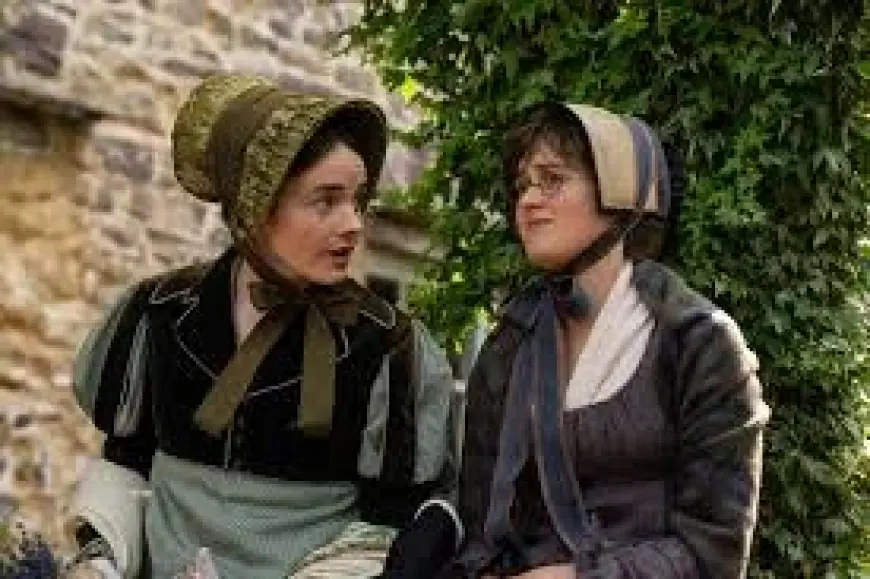
A new the other bennet sister review highlights strong praise for Ella Bruccoleri’s portrayal of Mary alongside criticism that the 10-part reimagining leans too heavily on jokes about her marriage prospects. The series, adapted from a bestselling novel and featuring a high-profile cast, has prompted discussion about tone and characterisation.
The Other Bennet Sister Review: Performance Praised, Tone Questioned
The review singles out Ella Bruccoleri’s Mary as “absolutely lovely, ” but characterises the drama itself as “overly slight, ” arguing that it repeatedly labours jokes about Mary’s presumed unviability in the marriage market. Early episodes devote substantial time to the family mocking Mary — from omitting her from their catalogue of virtues to forcing her to go last in the bath before a ball — and to gags about a ruddy complexion and new spectacles that the reviewer finds overdone and eventually tiresome.
Scenes meant to be comic, the critic writes, tip into farce. A budding attentiveness from a character named Mr Sparrow is undercut when Mrs Bennet intervenes, an episode the reviewer points to as emblematic of a pattern: the show gives Mary moments of attention but then returns to the same marital-jeopardy jokes, blunting emotional payoff.
Cast, Creators and the Source Material
The adaptation is a 10-part television series drawn from Janice Hadlow’s novel and scripted for the screen by Sarah Quintrell with additional writing by Maddie Dai. The production casts a well-known ensemble: Ruth Jones takes on the role of Mrs Bennet and Richard E Grant appears as Mr Bennet. Ella Bruccoleri plays Mary Bennet and is noted in the material for prior credits that include appearances in well-known period and contemporary dramas.
Some scenes were filmed in Wales. Ruth Jones describes the job as “one of the happiest” she has done and says she wanted to shift the traditional perception of Mrs Bennet, portraying her as a pragmatic guardian of family security rather than a one-note fussing matriarch. Jones offers a characterisation of Mrs Bennet as something like an estate agent with five properties to sell and calls the Bennets’ marriage “fractious, ” noting that Mr Bennet can be harsh and that early intimacy gave way to irritation.
Tension Between Creator Intent and Critical Response
The creative team’s intent to explore secondary characters and offer a new take on the Bennet family is clear in both casting and commentary, and the review acknowledges the series’ ambition to give Mary her turn in the spotlight. Yet the critic’s central gripe is that the series sacrifices nuance for repeated comic beats about social embarrassment and romantic prospects, which diminishes the emotional stakes around Mary’s search for identity.
That gap — between a performance described as warmly human and a tonal approach judged by the critic to be uneven — frames the current debate. Viewers and wider critical opinion will determine whether the adaptation reinvigorates familiar material or merely repackages old jokes in a new key. For now, praise for the lead performance sits against unease about the show’s reliance on farce.
As the series reaches more audiences, attention will remain focused on whether the balance between comedy and character depth shifts in later episodes and how the portrayal of Mary alters long-held impressions of the Bennet family dynamic.