The Night Barbra Streisand Passed Up an Emmy Moment at the Shubert Theater, Preserving a Post-9/11 Finale

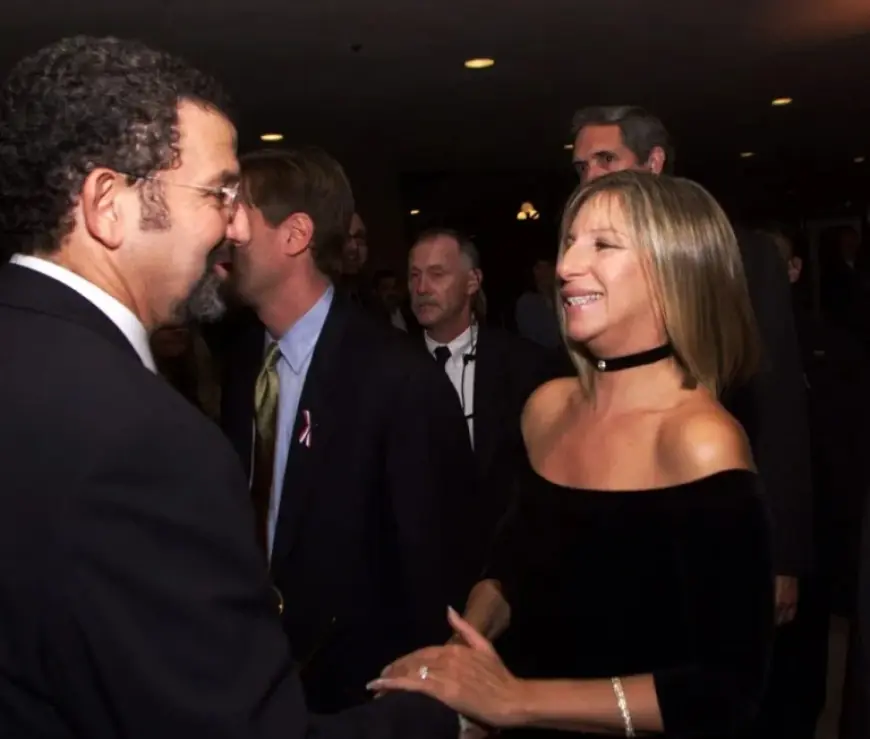
Barbra Streisand chose not to accept an emmy onstage at the rescheduled 2001 ceremony, foregoing a walk-on in order to preserve a surprise, show-closing performance meant to comfort a nation in the weeks after 9/11. The decision — made while ballots had already been tallied and the winner announced — prioritized the emotional arc of the telecast over a personal acceptance speech.
Why Streisand Passed on the Emmy Stage
The award recognized her work on Barbra Streisand: Timeless, a 2000 Fox special taped live on New Year’s Eve 1999 and New Year’s Day 2000 at the MGM Grand Garden Arena in Las Vegas. The performance that closed the rescheduled telecast featured Rodgers & Hammerstein’s “You’ll Never Walk Alone, ” backed by a gospel choir and staged with the names of some of those killed displayed and a sign reading, “Our hearts are broken. Our spirit is not. ” That finale brought a standing ovation from the audience. Presenters Eric McCormack and Debra Messing announced the winner of the Primetime Emmy for outstanding individual performance in a variety or music program; Messing stated that Streisand “was unable to attend this evening, ” even though Streisand remained in the theater and elected not to come forward. The nomination had placed her against prominent competitors in the field for that year.
Security, Schedule Shifts and the Shubert Theater Telecast
The telecast had been affected directly by national events: the ceremony was originally scheduled for Sept. 16, 2001, then moved to Oct. 7 and ultimately to Nov. 4. The planned venue, the Shrine Auditorium in downtown Los Angeles, was replaced by the smaller Shubert Theater in Century City. Security measures at the Shubert were visibly heightened — sharpshooters were positioned on rooftops, attendees passed through metal detectors, nearby businesses were closed, and the two lowest underground parking levels of the complex were blocked off amid concerns about car bombs. >The tightened environment shaped choices across the night, from staging to who could be presented onstage when. The decision by Streisand to remain offstage at the moment of her award must be read in that context of constrained logistics and heightened sensitivities.
Cultural Resonance and Production Context
Streisand’s choice to prioritize the performance over a trophy moment placed the telecast’s emotional needs first and linked it to other high-profile post-9/11 artistic responses: her staged finale came three nights before a prominent country artist performed a 9/11 reflection at a separate awards event. The Barbra Streisand: Timeless special, which had aired on public television in recent weeks, showcased the singer at age 57 during the original taping and provided the material that led to the Emmy recognition. >Gary Smith, who served as executive producer of the 2001 telecast and who had worked with Streisand on multiple projects over the years, was a central production figure; he later died in August 2025 at age 90. The production decisions on that night — from venue changes to the surprise musical ending — reflected longstanding collaborations and a particular attention to theatrical effect under fraught circumstances.
The choice to forgo an onstage acceptance preserved the finale’s dramatic impact for the live audience and underscored a rare moment of professional restraint: a high-profile artist trading personal glory to keep the focus on communal consolation. That trade-off remains a distinct element of how the rescheduled ceremony is remembered.