The Perfect Neighbour In Ocala Sparks Renewed Spotlight After Oscar Nod And 25-Year Sentence

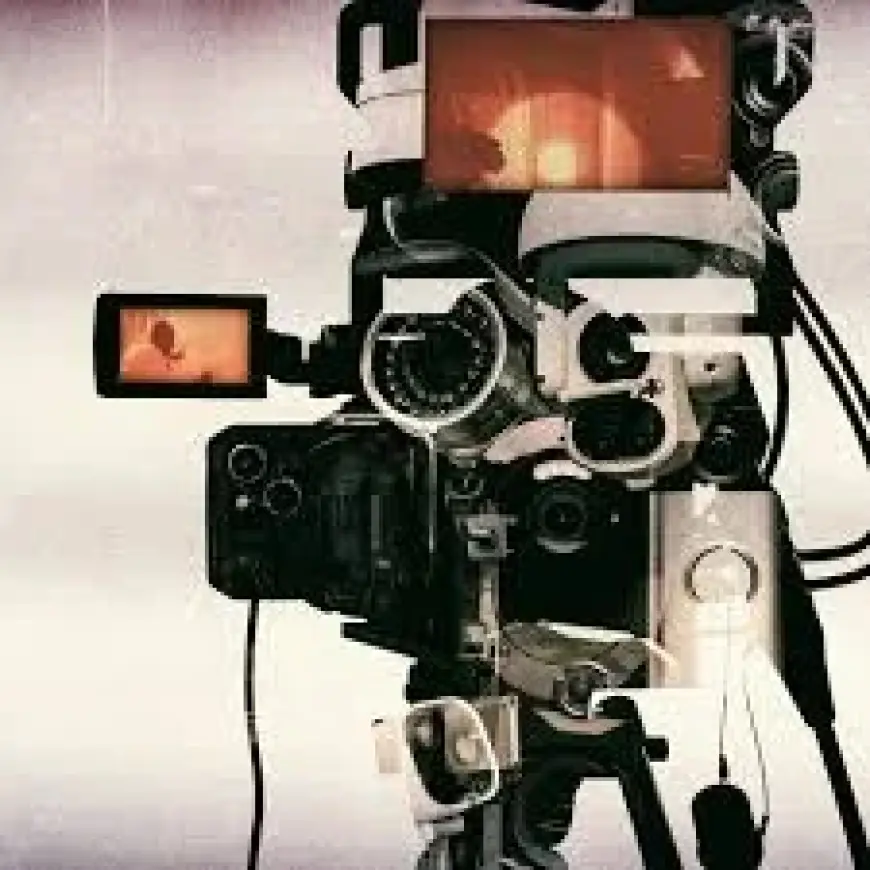
The Netflix documentary the perfect neighbour has brought fresh public focus to a 2023 fatal shooting in Ocala, Florida, following a high-profile awards run and the criminal conviction of the woman involved. The film was among five nominees for Best Documentary at the 98th Academy Awards and has drawn attention for its heavy use of law-enforcement footage.
The Perfect Neighbour: Awards Run And Oscar Outcome
The documentary was nominated for Best Documentary at the Academy Awards ceremony on March 15, 2026, though it did not win the prize. The film earlier won Best Documentary at the Independent Spirit Awards in February 2026 and received nominations in the British Academy Film Awards and other critics and guild competitions. Individual nominations for the project include a directing nod for Geeta Gandbhir at the Directors Guild of America Awards and an editing nomination for Viridiana Lieberman at the Critics Choice Awards. The film also appeared on a major streaming service’s Top 10 list in October 2025 and was released to the platform in mid-October 2025.
How the Film Presents the Ocala Case
The film constructs its account largely from primary visual and audio material: deputy body-worn camera footage, 911 calls, doorbell and CCTV video and interviews that together trace a long-running neighborhood feud culminating in a fatal encounter on June 2, 2023. Filmmakers framed the project around themes of fear, prejudice and Stand Your Ground laws, using unvarnished records to map the escalation that preceded the shooting. That presentation has been described as database-style directing, a method that places raw official footage at the center of storytelling and has prompted debate about the ethics of showing intimate, traumatic moments captured by police cameras.
Legal Verdict, Sentence And Community Impact
Legal proceedings in the case concluded with a jury finding the defendant guilty of manslaughter with a firearm in August 2024. The defendant, who was 58 at the time of the 2023 incident, was later sentenced to 25 years in prison following a November 2024 hearing. The person who was killed was a 35-year-old mother of four and a neighbor in the same community; family members had described her in a fundraising profile as outgoing and warm. Local news outlets covered the shooting and subsequent trial extensively, and public documents and law-enforcement tapes released during the process form much of the documentary’s source material.
The film’s reliance on bodycam and other official footage includes graphic and emotionally difficult scenes, among them the initial law-enforcement arrival and family members being told of the death. Those sequences have been both central to the documentary’s critical recognition and the focus of discussion about how such materials should be used in nonfiction filmmaking.
What Comes Next
The film’s awards trajectory has cemented the incident’s place in national conversation, but the broader questions it raises about privacy, the role of police video in public storytelling and the responsibilities of documentarians remain unsettled. The project’s festival wins and high-profile nominations have increased public exposure to the case while also renewing scrutiny of the legal and ethical dimensions that surround the release and use of official footage. As viewers and critics continue to assess the film’s approach, the criminal judgment and sentence in the underlying case stand as the definitive legal outcome known at this time.