David Lynch The Straight Story Midwest Sparks Reappraisal Of Director’s Range

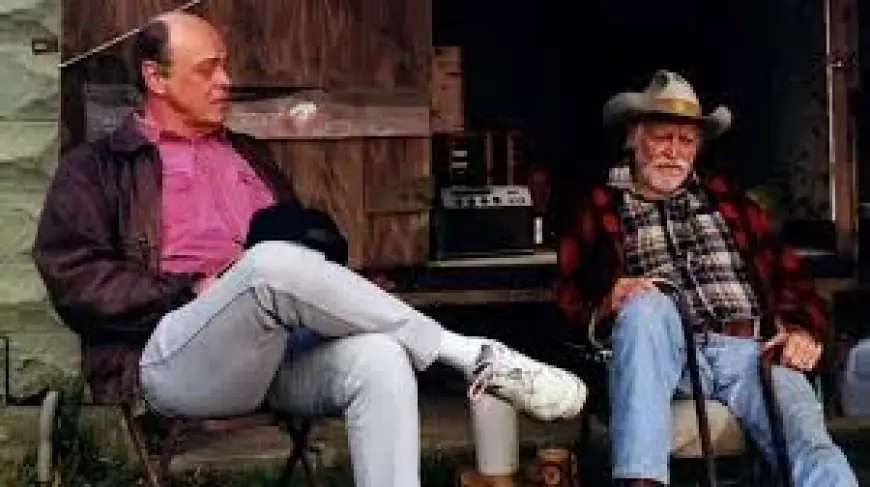
The Straight Story has been re-examined as a rare clean-lined entry in the filmmaker’s catalogue, and this reinvigorated attention focuses on why david lynch’s gentle 1999 film remains an outlier that is “well worth the trip. ” The confirmed essentials: it tells the true story of Alvin Straight’s more than 200-mile journey on a John Deere rider-mower from Iowa to Wisconsin, and the film’s tone and construction depart markedly from the director’s usual surrealism.
David Lynch’s Uncharacteristic Simplicity
The film foregrounds ordinary lives and small acts of reconciliation rather than the subterranean weirdness often associated with the director. Screenwriters John Roach and Mary Sweeney adapted the real-life episode of Alvin Straight, an elderly man who, in poor health, elects to travel by mower to see his ailing older brother. Richard Farnsworth portrays Alvin; Harry Dean Stanton appears in a cameo as the brother and Sissy Spacek plays Alvin’s fictionalised daughter Rose. The piece is noted for its directness and empathy rather than exotic kinks or grotesque elements.
Storytelling, Score and Quietly Lynchian Moments
The Straight Story leans on a restrained visual and sonic approach. The opening sequence uses drifting camera movement and amplified natural sound that produce an uncanny edge before the score settles into country-tinged, faintly Mexican melodies composed by Angelo Badalamenti. The film preserves occasional echoes of the director’s sensibility — a highway encounter with a hysterically distressed woman who has killed a deer and repeated shots of a yellow road line rolling beneath the frame recall images elsewhere in the director’s work — but these gestures sit inside a narrative committed to normality.
Characters, Risks and a Different American Landscape
Alvin’s physical frailty and stubborn independence shape the film’s stakes: he needs two sticks to walk and struggles to breathe because of smoking, yet he refuses buses and sets out on the mower to patch things up with his brother. Along the way he meets a pregnant young woman he attempts to help and encounters good-natured strangers who assist his pilgrimage. Practical hazards — including a large gasoline tank in his trailer — are treated with an almost benign acceptance by the community he passes through. The result is a portrait of midwest decency and open road Americana without the nightmarish translation those settings sometimes undergo in the director’s other features.
Why The Straight Story Matters Now
Reappraisal has emphasized that the film represents a deliberate diversion in a career otherwise associated with dream-state filmmaking. The director revisited more roiling surrealism immediately after this picture, which underlines how singular the film is inside his body of work. For viewers and critics reassessing the film, david lynch’s patient, humanist approach here invites renewed recognition of range and restraint rather than a correction of style.
Presenting a different kind of emotional clarity, The Straight Story remains a compact reminder that a filmmaker known for unsettling visions can also produce a work of steady sympathy. That duality — the ability to move between the uncanny and the ordinary — is the film’s enduring significance, and for many it is precisely what makes this modest road movie worth revisiting.