Documentary Oscars 2026: ‘The Perfect Neighbor’ and Surveillance-Era Docs Fuel Fresh Awards Conversation

Interest in documentary oscars 2026 is rising alongside a new wave of attention to documentaries that wrestle with violence, accountability, and the modern reality of constant observation. Three recent headlines are shaping the conversation: a film titled The Perfect Neighbor that examines a neighborhood feud that turned fatal, a new framing of the “Panopticon Age” of documentaries, and a documentary tied to the murder of an Ocala mother that has been nominated for an Academy Award.
What’s Driving Attention Ahead of Documentary Oscars 2026
A key focal point is The Perfect Neighbor, described as examining a shocking neighborhood feud that turned fatal. While details beyond that description were not provided in the available coverage summary, the framing signals a documentary built around a real-world dispute with deadly consequences—an approach that often draws strong public interest because it connects intimate community dynamics to life-altering outcomes.
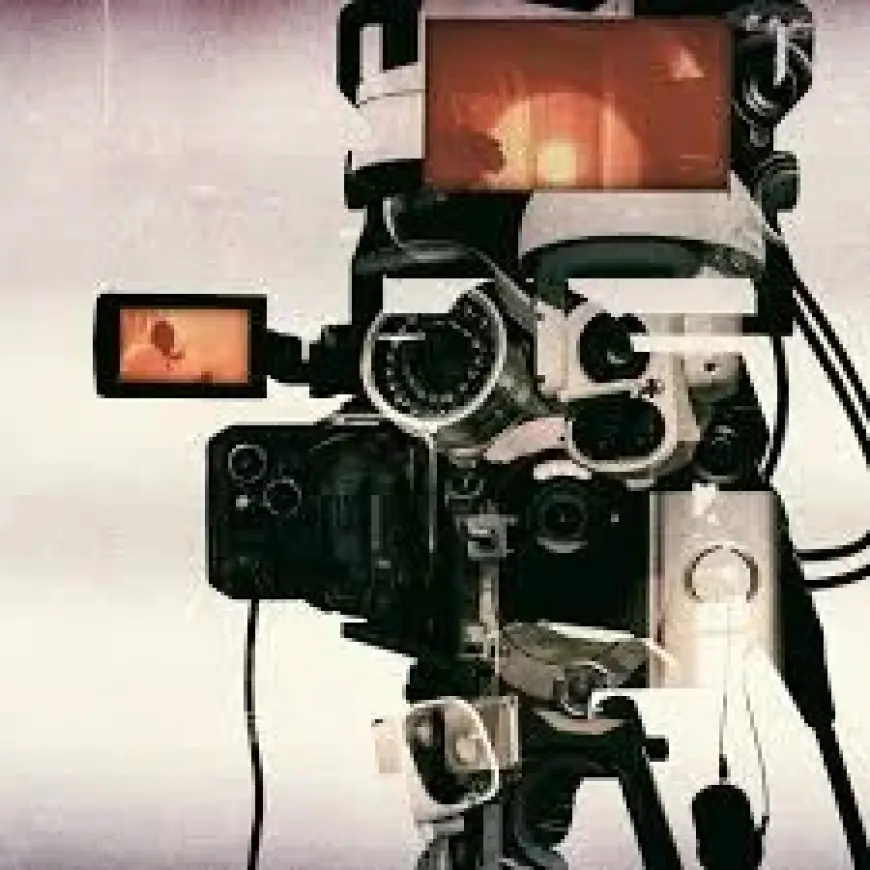
At the same time, a broader thematic lens is gaining traction: “The Panopticon Age of Documentaries. ” The label points to a moment in nonfiction filmmaking where surveillance, visibility, and the feeling of being constantly watched are central concerns. Even without additional specifics, the headline suggests a growing critical conversation about how documentaries are being made, what kinds of footage and observation are shaping narratives, and how audiences interpret stories in an era defined by pervasive recording and monitoring.
Together, these two threads—intensely personal stories of violence and a broader debate about observation and ethics—are contributing to the early search momentum around documentary oscars 2026, as viewers look for signals about the kinds of films likely to dominate the cultural conversation.
Academy Award-Nominated Documentary Tied to Ocala Mother’s Murder
Another headline drawing attention highlights a documentary connected to the murder of an Ocala mother that has been nominated for an Academy Award. The available information does not specify the title of the film, the category, or additional production details, but the nomination itself places the project within the highest-profile awards context for film.
The combination of a nomination and the subject matter—an Ocala mother’s murder—suggests public interest is being driven both by the awards recognition and by the seriousness of the underlying case. With only the headline details available, it remains unclear what aspects of the story the documentary emphasizes, including whether it focuses on the crime, the investigation, the victim’s life, community impact, or legal proceedings.
Still, the nomination headline functions as a concrete marker for audiences tracking awards-season visibility for nonfiction films, and it adds another real-world, high-stakes story to the broader documentary landscape being discussed as attention turns toward upcoming awards cycles.
Why These Headlines Matter for Documentary Viewers Right Now
Viewed together, the headlines point to two overlapping realities in today’s documentary ecosystem: first, that audiences remain drawn to films rooted in shocking, tragic events; and second, that there is growing scrutiny of how such stories are captured and presented—especially in an age where observation and recording are increasingly normalized.
For readers searching documentary oscars 2026, the immediate takeaway is less about confirmed nominees or a defined field—none is specified in the provided information—and more about the narratives and themes gaining visibility right now. A documentary about a fatal neighborhood feud, a broader critique of documentaries shaped by surveillance culture, and a separately highlighted Academy Award-nominated film tied to a murder case are collectively fueling renewed attention to nonfiction cinema and the debates around it.
As more information emerges about these projects—such as release details, creative teams, and fuller descriptions—audience interest is likely to sharpen around which documentaries break through culturally and critically, and how today’s “Panopticon Age” lens influences the way true stories are told on screen.