Streisand Spotlight Returns as Fresh Stories Revisit Emmy Choice and ‘The Way We Were’ Secrets

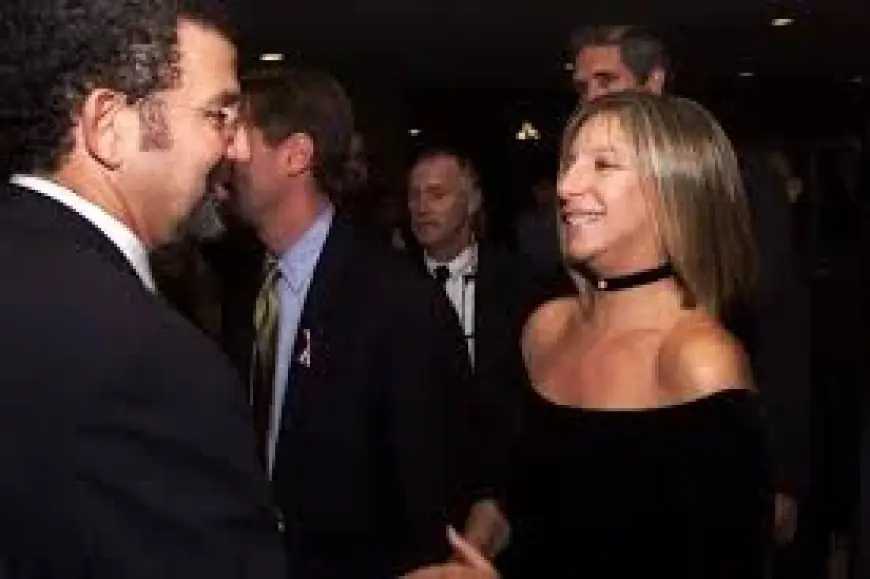
Fresh entertainment coverage is putting streisand back at the center of conversation, with new articles revisiting a night she passed up a moment of personal Emmy attention for what was framed as a greater good, while separate features dig into behind-the-scenes details from The Way We Were—including a reported on-set rule involving Robert Redford.
Emmy Moment Reframed Around a Larger Purpose
One newly published story focuses on a specific night in which Barbra Streisand was positioned for personal Emmy recognition, but ultimately passed up that spotlight. The account frames the decision as an intentional choice in service of something bigger than an individual win, emphasizing the contrast between awards-season visibility and a broader aim described as the “greater good. ”
Details beyond that framing were not made explicit in the material available, and the coverage does not present the moment as a controversy. Instead, the angle is reflective: a look back at how a high-profile career milestone can be weighed against other priorities, and how that decision is remembered now.
‘The Way We Were’ Draws Renewed Attention for Production Secrets
At the same time, two separate pieces of recent coverage return to The Way We Were with an emphasis on what’s often marketed as “movie secrets. ” One feature itemizes five behind-the-scenes details connected to the film and its making, centering on Streisand and Robert Redford and presenting the information as a curated set of takeaways for audiences revisiting the title.
Another story highlights an unusual, personal on-set stipulation attributed to Redford: a “bizarre rule” calling for two pairs of underwear for a bedroom scene with Barbra Streisand. The framing positions the anecdote as a production-era detail meant to illuminate the practical, sometimes awkward mechanics behind intimate scenes.
Neither article, in the information provided here, expands on how the rule was enforced on set, who else was involved in the decision, or how Streisand responded. The reporting also does not establish whether the anecdote comes from interviews, memoirs, or other documentation, so it remains a single highlighted detail rather than a fully corroborated production history.
Why These Streisand Stories Are Surfacing Now
Taken together, the new wave of coverage shows how streisand continues to be revisited through two familiar lenses: career choices that speak to values and legacy, and behind-the-scenes storytelling that recontextualizes well-known screen work. The Emmy-focused piece emphasizes intention and public meaning, while the The Way We Were features lean into fan-friendly production trivia and candid on-set realities.
What is clear from the current headlines is the appetite for revisiting both a pivotal awards-night decision and the private, practical details of filmmaking. What remains unclear, based on the limited information available in these items alone, is how much new documentation or first-person commentary is being introduced versus a repackaging of existing anecdotes for today’s audiences.
For now, the renewed attention underscores the enduring pull of Streisand’s career moments—both the public choices tied to recognition and the behind-the-camera details that keep iconic projects in circulation.