Prix Essence Québec Montreal Surge Leaves Drivers Confronting 184.9 Cents Per Litre

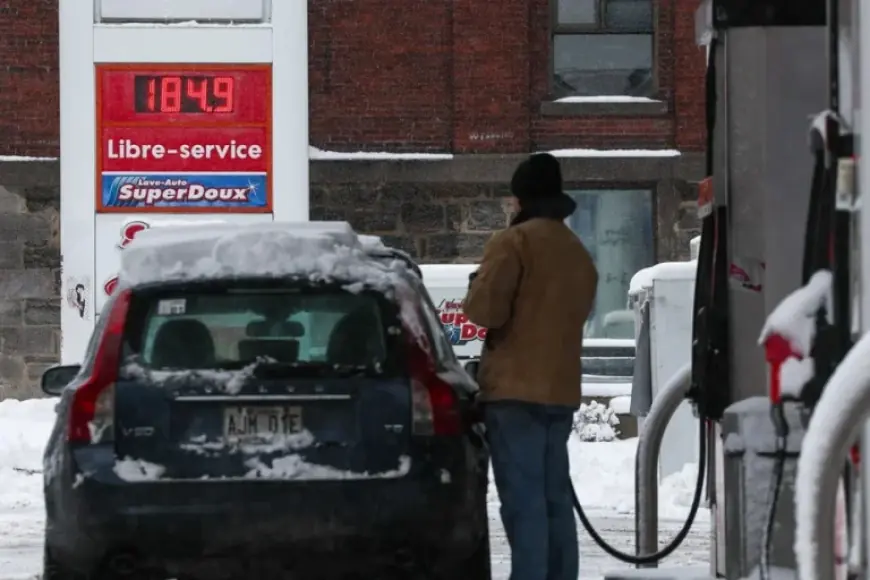
Gasoline costs spiked across Quebec this weekend, with pump prices reaching as high as 184. 9 cents per litre in some Montreal-area stations as international tensions disrupted deliveries. The sudden rise in prix essence québec has squeezed motorists and prompted further regional price adjustments.
Prix Essence Québec: Local Pumps and Motorist Reactions
In Montreal and its northern and southern suburbs, several stations showed prices above 180 cents per litre. One Esso outlet at the corner of Ontario Street and Papineau Avenue displayed a price of 184. 9 cents per litre, while an Ultramar at De Maisonneuve and Papineau registered 183. 9 cents. A price-tracking platform, Essence Montréal, compiled these figures and put the provincial average at 178. 7 cents per litre on Saturday afternoon.
Drivers expressed immediate frustration and practical adjustments. A delivery driver described the situation as unavoidable for his work, while another motorist said the surge might encourage more transit use. Station attendants noted that high prices had not reduced footfall substantially but had changed behavior, with customers buying smaller fills.
Regional Adjustments Beyond Quebec
Price controls and maximums were also adjusted in neighbouring provinces as the conflict’s market effects spread. In New Brunswick the regulator raised the maximum retail price for regular gasoline to as much as 169. 8 cents per litre on Saturday, up from 163. 3 cents the previous day. That province has seen four increases in the regulated maximum since March 5, when the cap was set at 142 cents — a rise of 27. 8 cents over nine days.
Changes affected other fuel types as well: the maximum diesel price there moved to 224. 3 cents per litre, an increase of 8. 1 cents since March 5, and heating oil rose from 209 to 217 cents between Friday and Saturday. The pattern of successive increases across the region underlines that prix essence québec is part of a broader short-term upward pressure on fuels.
Global Supply Moves and Official Responses
Market drivers cited by traders and officials in recent days linked the domestic pump shock to disruptions in deliveries from the Persian Gulf caused by the conflict in the Middle East. Benchmark Brent crude rose from $72 to $103 per barrel since the start of the war, intensifying upward pressure on retail fuel prices.
In response to the dislocations, government and multilateral actions were announced to stabilize markets. One national commitment involved the provision of 23. 6 million barrels to a broader international plan coordinated by the energy agency, while that agency announced a release of 400 million barrels from strategic reserves — its largest ever release. The agency comprises 32 members and holds more than 1. 2 billion barrels of public emergency stocks plus roughly 600 million barrels of industrial stocks.
Officials have framed these releases as steps to steady supply and relieve upward price pressure, even as retail prices respond more quickly to immediate disruptions than strategic measures can affect them.
What happens next will depend on how quickly deliveries normalize and how markets absorb the announced allocations from strategic reserves. For now, motorists in the Montreal region and beyond are managing higher at-the-pump costs while regulators and governments monitor whether further adjustments or relief measures are required.