Kate Hawley At Academy Awards Sparks Oscar Front-Runner Momentum

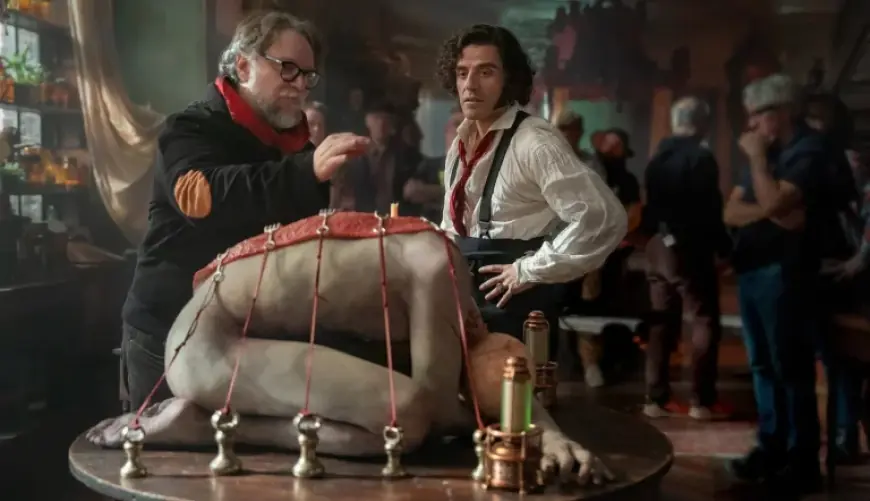
kate hawley, the costume designer behind Guillermo del Toro’s Frankenstein, has emerged from a run of major awards as a leading contender at the Academy Awards. Her neo‑gothic, contemporary wardrobe choices — including blood‑red corsets and weathered fur capes — helped define the film’s visual language and have been singled out in recent prize seasons.
Kate Hawley’s Design Vision And Departmental Collaboration
Kate Hawley constructed a cohesive, modern take on period dress that intentionally echoed the film’s broader production language. The wardrobe was developed to reflect themes of nature and theology and to operate in close dialogue with set design and lighting; the production was described as an operatic table where departments collaborated to establish a throughline of mood and tone. That approach produced costumes that feel period-rooted yet contemporary, with recurring motifs such as a red veil used as a visual throughline across characters.
Accolades, Tiffany & Co. Tie‑Ups And Oscar Positioning
kate hawley’s work on the film has been recognized throughout awards season, including wins at the BAFTAs and Critics’ Choice. She also worked with Tiffany & Co. on elements of the film’s jewelry and adornment, a collaboration that complemented the costume palette and period touches. After sweeping a string of major prizes, her campaign has left her widely viewed as a front‑runner for the Oscar ceremony unfolding this weekend; the outcome remains to be decided on the night.
How Production Design Shaped Costume Choices
The film’s immersive environments reinforced the costume strategy. Production design involved large practical builds — from palatial interiors to an Arctic sequence constructed on a studio parking lot — and those choices informed fabric, silhouette and distressing decisions. For the Arctic scenes, a metal base structure was clad with Styrofoam and silicone, layered with real snow and ice for texture; a full ship set was mounted on a truss with a roller gimbal beneath. Those tangible, large‑scale elements gave the wardrobe a physical context to which Hawley responded, ensuring garments read correctly across built sets and visual effects extensions.
What Changes With An Oscar Win — And What Remains Uncertain
An Academy Award would consolidate the season’s recognition of the film’s collaborative design achievements and further elevate Hawley’s profile within a production community that emphasizes cross‑departmental cohesion. It would also underscore the impact of marrying costume, set and accessory craft to realize a single, operatic vision. The final vote, however, is still pending, and the ceremony will determine whether the momentum of recent wins translates into the Academy’s top prize.
As the industry turns its attention to awards night, the film’s costume and production teams stand as a reminder that contemporary period filmmaking increasingly depends on tightly coordinated design work to shape character and story on a grand scale.