Israeli Strikes in Liban Kill Family and Medical Staff as Dahiya Doctrine Looms

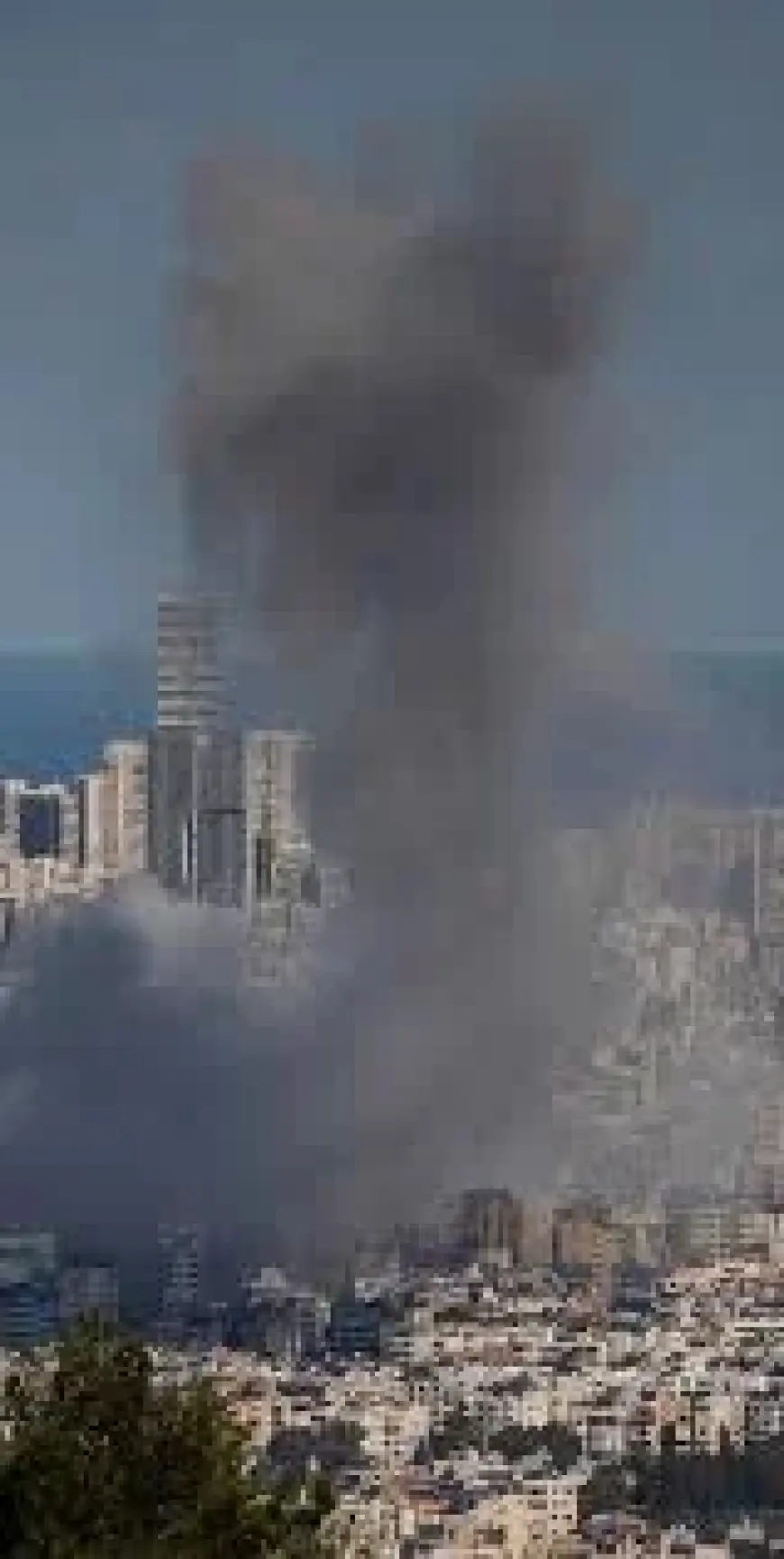
As fighting between Israel and Hezbollah continues, a visit to the northeastern town of Younine documented the remains of a home where eight members of a family, including three children, were killed in a strike. The escalation has also included deadly attacks on medical facilities in southern areas, intensifying concerns over civilian harm across liban.
Damage and Civilian Toll in Liban
The found a yellow flag linked to an Iran-backed armed group draped over a pile of rubble in Younine, with children’s toys and packets of sweets among the debris. Neighbours said the strike hit a home and an adjacent shop while an extended family was gathering to break the Ramadan fast; three of the dead were children aged five, nine and 14.
The Israeli military told the it had targeted “Hezbollah terrorist infrastructure while Hezbollah operatives were present. ” Neighbours and relatives at the scene said they had no knowledge of militants being there. A local shepherd said he had been at the shop roughly 30 minutes earlier offering yoghurt and that the blast came without warning; he described collapsed structures and body parts on the road and helped pass remains to first responders. A Syrian woman living nearby said the family had extended her credit at the shop and that she was in shock.
These strikes are part of a broader campaign that has included hundreds of attacks across southern Lebanon, the eastern Bekaa Valley and the southern suburbs of Beirut known as the Dahiya. Officials have given differing tallies of the death toll: one figure notes more than 800 people killed in Israel’s military action, while another account places the number at least 826. Evacuation orders have forced hundreds of thousands from their homes and one account estimates about 1 million displaced.
Healthcare Worker Deaths and Attacks on Facilities
Separately, a strike on a primary healthcare facility in the town of Burj Qalaouiyah late on a Friday night set the building ablaze and caused it to collapse, killing 12 medical workers who were on duty. That attack brought the toll of medical staff killed in recent days to 31 over a 12-day period, and earlier incidents that day had killed additional paramedics.
The Lebanese ministry of health said the attack on the southern facility violated international humanitarian laws. Human-rights groups say attacks on medical workers constitute war crimes, and international health officials described the killings as a tragic development in the escalating crisis. Lebanese authorities have said that there have been at least 37 attacks against healthcare workers and facilities, including state civil defence and the Lebanese Red Cross, since the current hostilities began.
The Israeli military has accused Hezbollah of embedding military infrastructure in civilian areas and has stated it will target such infrastructure; one military spokesperson acknowledged awareness of reports about the strike on the medical centre and said the incident was under review.
How the Dahiya Doctrine Has Re-emerged
Analysts and recent coverage note that the military concept known as the Dahiya Doctrine — a scorched-earth approach first used in 2006 — has resurfaced in the current campaign. The doctrine rests on the premise that guerrilla forces such as Hezbollah are difficult to separate from civilian communities and that pressure on those communities can be used to weaken militant structures.
Critics argue the Dahiya Doctrine amounts to collective punishment and contravenes international humanitarian law, noting that whole neighbourhoods and entire apartment blocks have been struck. The doctrine has been invoked as an explanation for the pattern of attacks on built-up areas that are also home to civilian populations.
What happens next remains contingent on the actions of the parties involved. Military statements, ministry tallies and eyewitness accounts continue to emerge, and scrutiny of strikes that hit homes and medical facilities is likely to intensify as investigators and humanitarian organizations assess the civilian impact across liban.