Lindy West Memoir and Island Life Spark Renewed Debate Over Her Polyamory

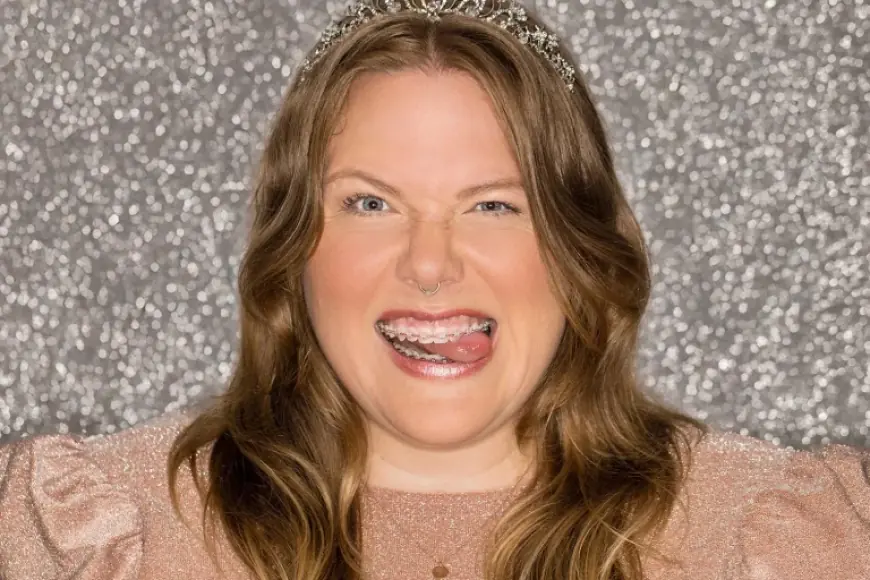
lindy west’s new memoir, Adult Braces: Driving Myself Sane, and a recent profile of her remote home on Bainbridge Island have refocused attention on her polyamorous relationship and the online reaction it has drawn since news of the arrangement went modestly viral in 2022.
Lindy West’s Memoir, Island Home and the Road-Trip Narrative
A long profile describes the travel it takes to reach West’s homestead—one cross-country plane, a train, a ferry and another hour by car—and portrays a life set apart from easy access to city amenities. The writer’s dog, Barold “Barry” Saxophone, is present on the property, and the memoir’s title is noted as having been released this week.
The book is described as part travelogue and part memoir: West sets out on a solo, analog road trip in search of the Beach Boys’ Kokomo, only to discover the place doesn’t exist immediately upon embarking on her grand tour. The journey allows West to trace the evolution of her marriage to musician and writer Ahamefule J. Oluo, from initial hostility to talking about sex with her husband to a later pursuit of sexual, romantic and familial agency.
The profile also sketches personal details found in the memoir and West’s public life: a bestselling memoir titled Shrill published a decade ago, tattoos described as a spread of butterflies on her chest and other colorful pieces, and large online followings—about 132, 000 followers on Instagram and 34, 000 on her Substack, Butt News—figures cited in the piece.
Public Reaction, a Critical Take and the Memoir’s Request for Empathy
Online reaction to West’s relationships has been intense, and the profile notes that West’s choices have long been a lightning rod for discussion. A sharply critical opinion column headlined Lindy West Is Wrong: Open Marriages Never Work presents an opposing view, characterizing Adult Braces as half-travelogue, half–polyamory memoir and offering a blunt critique of West’s tone.
The opinion piece quotes a line from the memoir’s final chapter—”If you think I have been brainwashed and I am secretly miserable, I simply do not know what to tell you. “—and uses that passage to frame skepticism about West’s account. The commentary invokes a comparison to a famous television line about self-directed criticism to argue its view of the memoir’s self-deprecating posture.
Meanwhile, the profile emphasizes the vulnerability of West’s narrative. It notes that West asks readers for empathy even as she confronts the consequences of choices that have hurt her and others, and it portrays the memoir as demanding both radical self-acceptance from the writer and maximum empathy from her readers.
lindy west’s memoir and the recent pieces about it underline the fractured public response to a well-known writer taking a highly personal subject into public view: the book documents a private reckoning staged as a road trip, and the coverage ranges from descriptive profiles of her homestead and creative life to pointed critiques of the relationship model she describes.
For readers watching the conversation, the memoir’s publication and the accompanying commentary make clear that debate over West’s choices is likely to continue, framed by the personal details and rhetorical choices she lays out in Adult Braces.