Ghost Flight Videos Show Near-Empty Emirates Services as Middle East Conflict Disrupts Air Travel

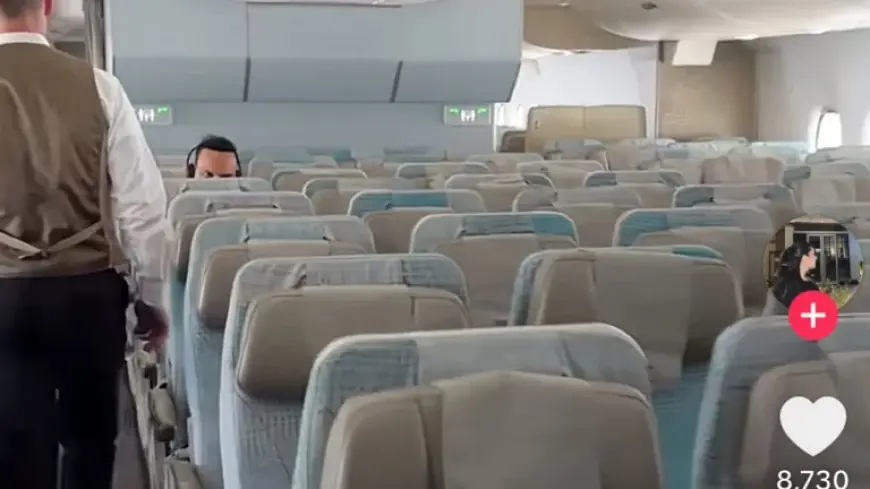
Passengers have shared footage of what they call a Ghost Flight after videos showing largely empty Emirates cabins circulated online while a regional conflict continues to disrupt air travel. The images reflect a broader pattern of route suspensions and operational caution among carriers operating through the Middle East.
Ghost Flight Videos Spread on Social Media
Passengers posted videos showing rows of empty seats on Emirates aircraft, with one TikTok user, Alishba. s, captioning her clip: “Travelling to Dubai and barely anyone is on the flight rn. ” That particular video gathered more than 360, 000 views. Other users described the experience as “so eerie” and “unsettling, ” while another passenger shared footage of enjoying an entire row of economy seats alone.
Comments on the posts ranged from passengers describing uneventful connections through Dubai to others saying they would avoid travel for now. The Manchester Evening News contacted Emirates about repatriation flights.
Limited Operations, Refunds and Passenger Options
When the war broke out two weeks ago, air travel in the region ground to a halt and many carriers suspended services. Since then, several airlines have resumed limited operations in the area, and Emirates has said it intends to return to a full flight schedule in the coming weeks.
Passengers with bookings for travel between February 28 and March 31 have the option to rebook on an alternate flight for travel on or before April 30 or to request a refund. Those who chose to travel during the suspension window have reported unusually empty cabins and more personal space on long-haul sectors.
Route Shifts Raise Strategic and Brand Questions for Gulf Carriers
The empty flights come amid wider changes in global air routes. Airlines are avoiding a wide swath of the Middle East amid fears of false identification by air-defense missiles that already claimed three American fighter planes, forcing traffic onto a narrow corridor across the Caucasus. Iran has also attempted to disrupt that corridor through drone strikes in Azerbaijan, further complicating east-west connections.
The disruption threatens the Gulf carriers’ long-standing hub strategy of linking Europe and Asia through rapid layovers in Gulf hubs. Analysts note the operational risk of having key hubs in a region facing heightened military activity, and the interruption has opened opportunities for other carriers to shift market share along Eurasian routes.
Beyond immediate operational disruption, the situation poses questions for brand positioning. Gulf airlines have emphasized safety and reliability as core brand attributes; the current environment tests that reputation even as carriers work to restore regular schedules and reassure passengers.
For now, the most visible sign of the disruption is the footage passengers are sharing: near-empty cabins, quieter airports and travelers deciding whether to proceed with planned trips or to take advantage of rebooking and refund options. Carriers say they aim to restore full schedules soon, but the path back to usual traffic patterns will depend on how the regional security situation evolves and on how airlines adjust routing and communications in response.