Popeyes Bankruptcies Put Spotlight On Franchise Strain In 2026

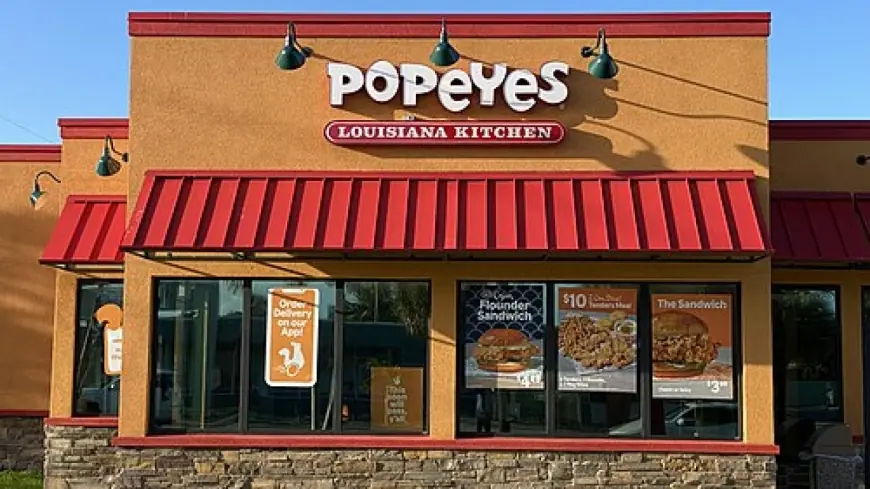
A major Popeyes operator has filed for Chapter 11, giving new urgency to a search trend around “Popeyes bankruptcies” and raising fresh questions about whether the fried chicken chain itself is in trouble.
The short answer is no: Popeyes as a brand has not filed for bankruptcy. The current headline centers on Sailormen Inc., a large Miami-based franchisee that operates more than 130 Popeyes restaurants. Its Chapter 11 case, filed in South Florida in January 2026, has become the clearest and most significant Popeyes-related bankruptcy story this year.
The Latest Filing Involves A Large Franchisee, Not The Brand
The bankruptcy case is tied to one of the chain’s biggest operators, not Popeyes’ corporate parent.
In court papers, Sailormen said it had faced a mix of heavy pressure over the past year, including inflation-driven operating costs, higher borrowing expenses, wage increases, and softer restaurant traffic tied to changing consumer behavior. The filing estimated the company’s debt load at about $130 million.
That distinction matters for readers searching the topic. In the restaurant business, chains often rely on franchisees that own and run large blocks of stores. A franchisee can seek bankruptcy protection while the broader brand continues operating, collecting royalties, signing development deals, and opening new locations elsewhere.
Why Sailormen’s Chapter 11 Drew Attention
The filing stood out because of Sailormen’s size and the chain’s place in the competitive chicken market.
The company said a planned sale of 16 Georgia restaurants to a buyer called Tar Heels Spice had fallen apart during an earlier restructuring effort, adding to the strain. Rent issues on those sites followed, and the situation escalated further when its primary lender, BMO Bank, moved in December to seek court intervention tied to loan obligations.
That lender pressure became a key trigger for the Chapter 11 filing. The company argued in its petition that stakeholders would be better served through a court-supervised restructuring than through a forced breakup.
Sailormen also said it generated more than $233 million in sales in 2025 but still posted a net operating loss of nearly $19 million, a sign that scale alone was not enough to offset cost and debt pressure.
Popeyes Is Still Growing, But Performance Has Been Uneven
The bankruptcy arrives at a delicate moment for the chain.
Restaurant Brands International, the parent company behind Popeyes, reported in February that the brand’s global comparable sales rose 2.1% in the fourth quarter of 2025 and 1.1% for the full year, while U.S. comparable sales rose 2.4% in the quarter and 1.0% for the year. Popeyes ended 2025 with 1,449 restaurants in the segment reported under the company’s disclosure framework, up from 1,345 a year earlier.
Those numbers show that Popeyes is not in retreat across the board. But they also do not erase the pressure inside parts of the franchise system. Franchisee profitability in the U.S. was listed at $235,000 in 2025, down from $255,000 in 2024, suggesting operators had less cushion even as the brand continued adding units.
That mix of growth and tighter margins helps explain why a big operator could fall into distress even while the brand remains active and expansion-minded.
Popeyes Has Seen Franchisee Bankruptcy Trouble Before
This is not the first Popeyes-linked bankruptcy in recent years.
In 2023, Premier Cajun Kings, a smaller franchisee with restaurants in Alabama and Georgia, also filed for Chapter 11. That earlier case did not create the same level of national attention, but it underscored a broader pattern in quick-service franchising: operators with debt-heavy structures can become vulnerable when food, labor, rent, and interest costs rise at the same time.
The restaurant sector has seen similar stress across several brands, particularly among franchisees carrying older debt or dealing with underperforming locations. In that sense, the Sailormen case is part of a larger industry story, not just a Popeyes story.
What “Popeyes Bankruptcies” Means For Customers And Employees
For diners, a franchisee bankruptcy does not automatically mean widespread closures or an immediate disruption at every store.
Chapter 11 is designed to let a business keep operating while it restructures debt, renegotiates obligations, and looks for a path to stabilize. Some restaurants may ultimately be sold or closed, but the legal filing itself is not the same as a shutdown order.
For employees and landlords, the case matters more directly because it can reshape lease terms, staffing plans, and ownership across individual locations. For Popeyes, it becomes a test of how resilient its U.S. franchise network is when one of its biggest operators runs into trouble.
The bottom line for anyone searching “Popeyes bankruptcies” is this: the biggest current development is the January 2026 Chapter 11 filing by Sailormen Inc., a major franchisee. Popeyes itself is still operating, still growing, and still adding restaurants, but the bankruptcy has exposed the financial strain facing some of the operators behind the brand’s storefronts.