Nyc Half Marathon 2026 Road Closures: What to Know About the Route, Tracking, and Start-Time Details

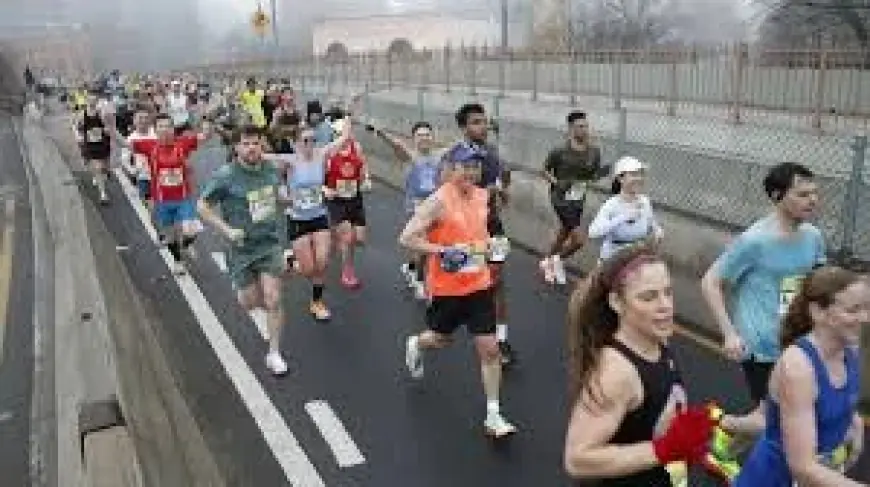
New York City residents and drivers searching for nyc half marathon 2026 road closures are looking for immediate, practical guidance as the NYC half marathon 2026 is happening today, with published information highlighting street closures alongside course and tracking details.
Nyc Half Marathon 2026 Road Closures and What’s Being Shared Today
Coverage of the event is focused on helping the public navigate race-day disruptions: road closures are being published together with key logistics like route information and a course map. The emphasis is on what streets may be impacted and how people can plan around the race while it is underway.
Public-facing guidance being promoted for today includes three core items: road-closure information, route/course mapping details, and runner-tracking options. For many New Yorkers, the road-closure piece is the most urgent—especially for anyone commuting, working deliveries, heading to airports, or trying to cross neighborhoods during the race window.
Route Info, Course Map, and Runner Tracking: The Other High-Interest Details
Alongside nyc half marathon 2026 road closures, readers are also being directed to route information and a course map—an essential companion for both spectators and anyone trying to understand where and when the city’s traffic patterns may change.
Another major search need today is runner tracking. Race-day coverage is explicitly pointing readers to ways to track runners, a feature often used by friends and family coordinating meet-ups, as well as spectators trying to time when participants will pass certain points on the course.
Start-time details are also being bundled with the closures and course information, reflecting the fact that disruption timing typically depends on when the race begins and how the event progresses through different parts of the route.
Beyond the Finish Line: Why Interest Extends Past Closures
Even as day-of attention centers on closures, maps, and tracking, a separate strand of coverage is framed “Beyond the Finish Line. ” While the race-day practicalities remain the most immediate concern for most residents, that framing signals that the event’s story isn’t limited to logistics—there is also interest in what the half marathon represents for participants and the broader running community.
For now, the biggest public-service priority remains helping New Yorkers quickly find the information they need to move through the city during the event: road-closure listings, course/route references, and tracking tools. As the day continues, readers should expect ongoing attention to these same essentials, with updates typically tied to how the race unfolds in real time.