North Korea Fires About 10 Ballistic Missiles in Show of Force; Test Coincides With U.S.-South Korea Drills

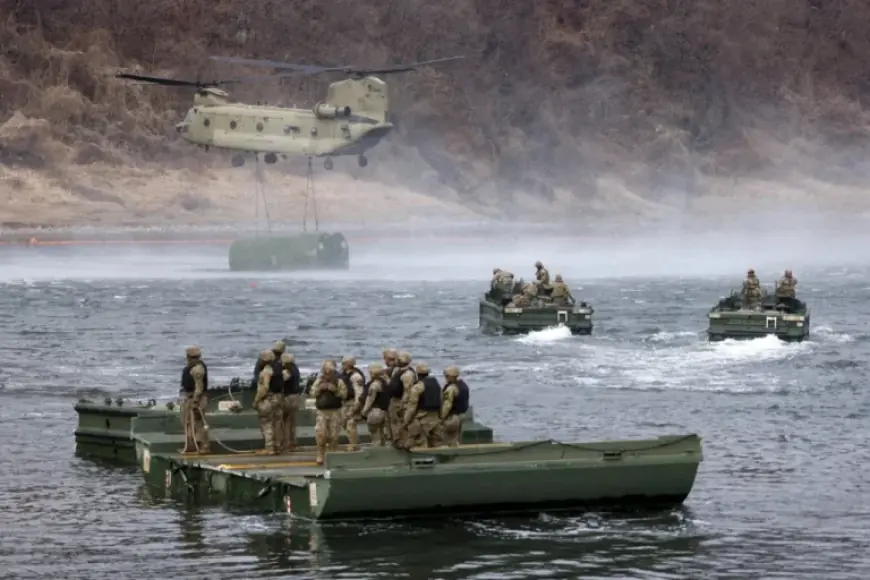
North Korea fired about 10 ballistic missiles toward the eastern sea in what South Korea’s military described as a Test, launching from the Sunan area near the capital and prompting stepped-up surveillance by Seoul as allied exercises were under way.
Test Launches: Where They Came From And Where They Landed
South Korea’s Joint Chiefs of Staff said the missiles were fired from an area in Sunan, the site of Pyongyang’s international airport, and flew roughly 350 kilometers (220 miles). The Japanese defense minister said the weapons landed outside Japan’s exclusive economic zone and there were no reports of damage to planes or ships.
Allied Military Response And Readiness
The South’s Joint Chiefs said the military has stepped up surveillance and is maintaining readiness against possible additional launches while closely sharing information with the U. S. and Japan. The launches came as the U. S. and South Korean militaries conduct their annual springtime exercises involving thousands of troops.
Political Context And Potential Implications
The launches occurred hours after South Korean Prime Minister Kim Min-seok met with U. S. President Donald Trump in Washington and expressed hope for renewed diplomacy. South Korean officials have conveyed aspirations for improved inter-Korean relations, but the missile firings were described as a sign of defiance from Pyongyang, which has hardened its stance toward Seoul and urged Washington to drop denuclearization demands as a precondition for talks.
Questions have circulated in local media about whether some U. S. missile-defense assets stationed in South Korea are being moved to support operations elsewhere, and there has been speculation about the relocation of systems such as the Terminal High Altitude Area Defense battery and Patriot missile defenses. The South Korean presidential office said it could not confirm details about U. S. military operations and said any potential relocation would not affect the allies’ defense posture against North Korea; officials previously gave a similar response about Patriot deployments.
North Korea has long characterized allied drills as invasion rehearsals and on past occasions has used them as a pretext to carry out its own military demonstrations or weapons testing. Observers noted that these launches coincided with joint allied exercises and with broader regional diplomatic activity, dimming immediate hopes for renewed engagement between Pyongyang and Seoul.
South Korean authorities continue to monitor the situation closely and coordinate with allied partners as they assess whether further launches or military moves will follow.