Harish Rana India Ruling Sparks First Court-Approved Withdrawal Of Life Support

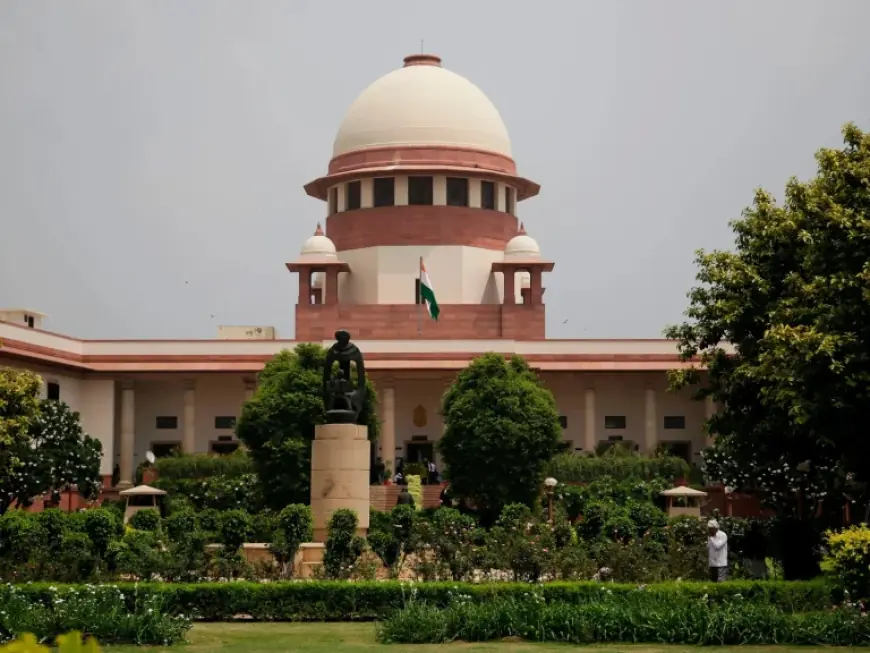
The Supreme Court has permitted the removal of life-sustaining treatment for harish rana, a man who has remained in a vegetative or comatose state since a 2013 accident. The decision represents the first instance of court-approved passive euthanasia in the country and follows years of legal petitions by his family.
Harish Rana: Medical Condition and Family Pleas
Harish Rana suffered severe head injuries after falling from a fourth-floor balcony of his paying-guest accommodation in 2013. He has been unable to speak, see, hear or recognise anyone and has lived with a tracheostomy tube for breathing and a gastrostomy tube for feeding. The court noted he experiences sleep-wake cycles but shows no meaningful interaction and remains dependent on others for all activities of self-care.
Over the years, his parents repeatedly petitioned the courts seeking permission to withdraw life-sustaining treatment. They have said they exhausted their savings caring for him and were concerned about his prospects after they die. Rana’s father, Ashok Rana, described the Supreme Court verdict as “humanitarian” and said the family was grateful for the judgment.
Legal Milestone: First Court-Approved Passive Euthanasia
The bench allowed withdrawal of artificial life support and the discontinuation of clinically administered nutrition, marking the first time a court has authorised passive euthanasia for an individual. India recognised passive euthanasia under strict conditions in 2018, but active euthanasia remains illegal. The Supreme Court observed that Rana’s condition had shown no improvement and that doctors had concluded he had virtually no chance of recovery.
Earlier judicial steps in the case included a 2024 hearing in a high court that rejected the family’s plea on the grounds that Rana had not been placed on life-support machines and therefore was described as “able to sustain himself without any external aid” at that time. The matter was later elevated to the Supreme Court, which granted the present authorization after medical boards and family members reached a shared view on discontinuing life-sustaining interventions.
Ethical Context and Broader Debate
The ruling revives a long-standing national conversation about end-of-life choice and the role of living wills. A living will is a legal document that allows a person over 18 to specify the medical care they would or would not accept if they become unable to make decisions. In this case, harish rana had not prepared such directives before his accident, removing the element of explicit prior consent from the proceedings.
Past landmark cases figure in the backdrop: a 2011 case involving a patient who remained in a persistent vegetative state drew public attention to the distinction between active and passive measures. That earlier matter led the court to recognise passive euthanasia under judicial safeguards, and the 2018 judgement further established the right to die with dignity as connected to constitutional protections. The current decision is the first instance in which a court has moved from recognition to individual approval.
The ruling is likely to intensify discussion about legal safeguards, the limits of medical intervention, and how families and courts should handle cases when no living will exists. Supporters of passive euthanasia argue it allows a humane end when recovery is impossible; opponents raise enduring ethical concerns rooted in the sanctity of life.
For now, the Supreme Court’s authorization completes a protracted legal process for the family and sets a procedural precedent for future petitions seeking court approval to withdraw life-sustaining treatment when the patient cannot express prior wishes. The decision leaves open how similar cases will be handled in varied medical and legal circumstances, and it will likely prompt calls for clearer guidance on living wills and end-of-life protocols.