Marc Jacobs Film By Sofia Coppola Leaves Intimate Portrait and Showcases Designer’s Legacy

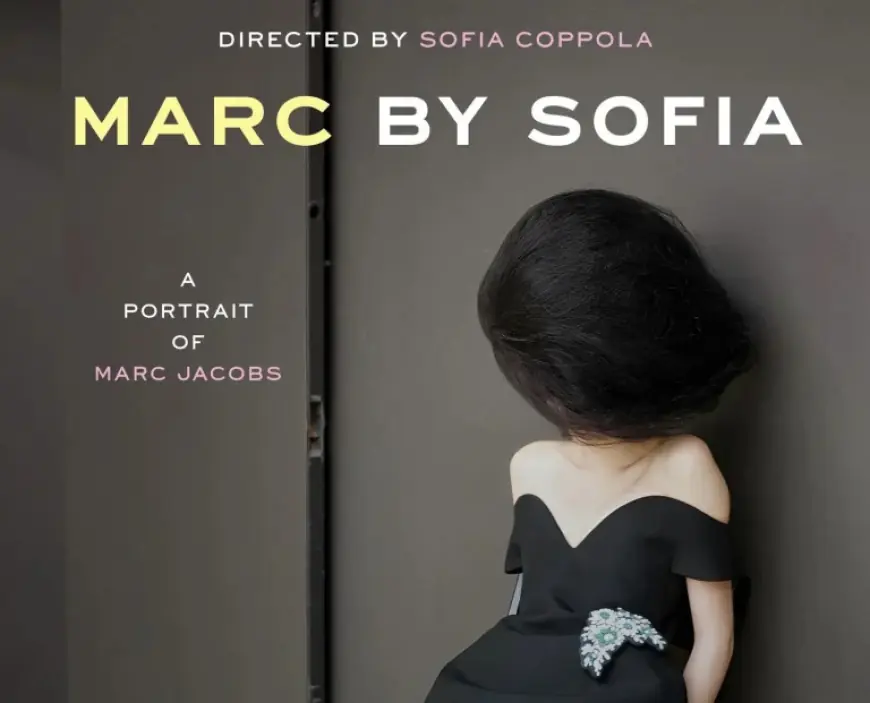
Sofia Coppola’s new documentary and companion book examine marc jacobs in a close, career-spanning portrait that traces the designer from the 1990s to his Spring 2024 collection. The film, Coppola’s first non-fiction feature, is paired with a 200-page volume of conversations and archival photography.
Marc Jacobs Through Sofia Coppola’s Lens
The documentary, titled “Marc by Sofia, ” is presented as a deeply personal project from a longtime friend and collaborator. Coppola’s camera returns the focus to early moments in the designer’s life, including a meeting at a 1993 Perry Ellis show when she encountered a younger, grunge-era Marc who favored a slicked-back ponytail and well-worn Stan Smiths. That initial connection, framed by a shared taste in music and aesthetic sympathies, is depicted as a throughline for the film’s intimate approach.
A Three-Decade Timeline From the ’90s to Spring 2024
The documentary covers milestones across nearly three decades, revisiting the designer’s early rise, the birth of his own label, and his tenure at Louis Vuitton. It places particular emphasis on the build-up to a recent signature moment: an iconic Spring 2024 show. Coppola’s film documents the twelve-week lead-up to that collection, capturing behind-the-scenes moments such as fabric selection and last-minute choices that shaped the final presentation.
Companion Book and Intimate Conversations
Alongside the film, Coppola has assembled a companion book that compiles candid conversations between her and Marc, together with archival and behind-the-scenes imagery across 200 pages. The book is available to pre-order from Mack Books. Both projects are framed as complementary: the film offers moving-image access to the designer’s process, while the book provides stills and extended exchanges that aim to broaden the portrait.
Context Within Fashion Film and Earlier Documentation
The new feature is positioned alongside earlier cinematic examinations of the designer’s work. One earlier documentary from 2007 is noted as having presented his artistry, but Coppola’s film is described as providing a more intimate and detailed overview. The emphasis on sustained personal access and collaborative history—Coppola has appeared in Marc’s campaigns and worked with him on special projects—shapes the film’s narrative and gives the retrospective a familiar vantage point.
For audiences following marc jacobs’s career, the pairing of a directorial debut in non-fiction and a companion book offers both visual immediacy and archival depth. The documentary is scheduled for release in March, and the book’s pre-order availability means readers and viewers will be able to engage with both formats as the projects arrive.
Moving forward, the films and the printed companion are likely to serve as reference points in assessments of this phase of the designer’s career, providing material for critics, students of fashion, and broader audiences to consider how behind-the-scenes process and long-term creative relationships shape public legacy.