Mr Nobody Against Putin: Pavel Talankin’s Path From School Videographer to Oscar Nominee

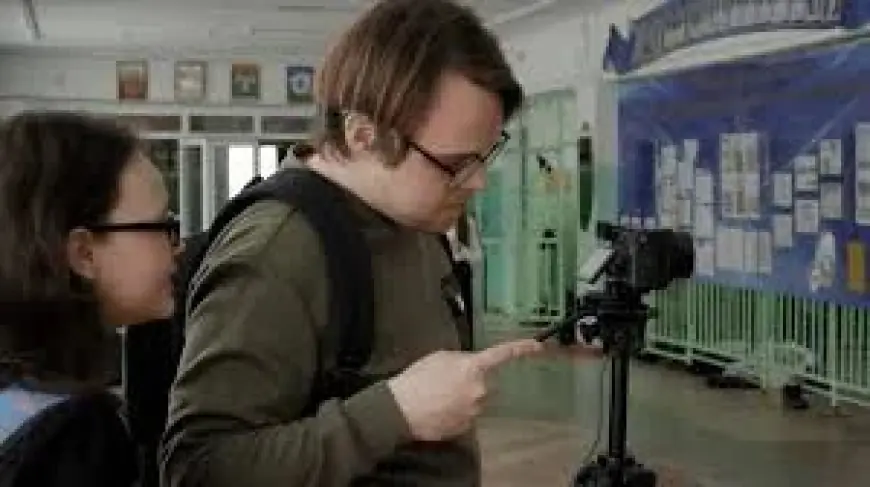
mr nobody against putin is drawing fresh attention as its subject, Pavel Talankin, is being spotlighted for a rapid, unlikely shift in public profile: from working as a videographer at a Russian school to becoming connected with an Oscar-nominated documentary.
Mr Nobody Against Putin and the story behind the nomination
The film has been framed in recent coverage as an Oscar-nominated documentary, with Talankin’s trajectory positioned as the core narrative hook: a behind-the-scenes school videographer who ends up at the center of an internationally visible project.
While full details of how the documentary was made are not laid out in the available information here, the emphasis in current headlines is on the contrast between Talankin’s earlier work in a school setting and the scale of global recognition implied by an Oscar nomination.
Why the film is being discussed as a call to resist
Another major strand of the current conversation is the film’s political and moral framing. Recent coverage characterizes the documentary as delivering a message that “now’s the time to resist, ” underscoring that the film is being interpreted not only as a personal story, but also as an urgent appeal.
The way the project is being discussed suggests its relevance is tied to the present moment, with the documentary’s themes resonating beyond cinema and into questions of personal courage and public action.
In Putin’s Russia, resistance is described as lonely
In parallel, separate coverage has focused on the human cost implied by the idea of dissent, describing resistance in Putin’s Russia as lonely. That framing helps explain why mr nobody against putin is being treated as more than an awards-season title: it is being discussed in the context of isolation and pressure faced by individuals who choose to push back.
Taken together, the recent headlines place Talankin’s story and the documentary’s Oscar-nomination status inside a broader narrative about the stakes of resistance—and why the film is surfacing now as a focal point for readers searching for clarity on what it is, who it follows, and what it argues.