Leonardo Dicaprio and the Oscars Debate Sparks Fresh Questions About Why Film Still Matters

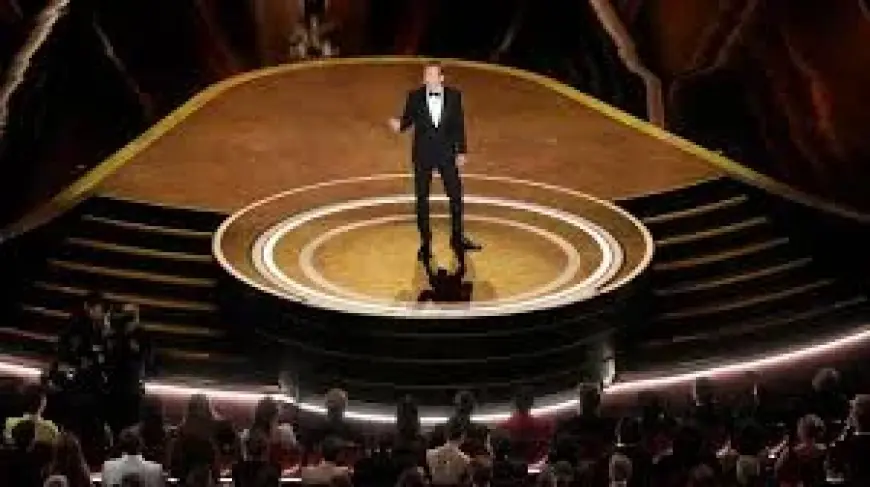
As the awards conversation shifts in the run-up to this year’s Academy Awards, leonardo dicaprio has become a familiar reference point in a broader debate: whether the Oscars still matter in a moment when many people feel overwhelmed by constant, overlapping crises. Recent commentary has framed the ceremony as increasingly “silly, ” while still arguing for the continuing importance of film itself—an uneasy split that is shaping how the season is being discussed.
Oscars Relevance, Crisis Fatigue, and the Case for Film
One major strain of current Oscars coverage centers on a blunt question: how meaningful can a highly produced celebration of entertainment feel when audiences are living through what is widely described as an era of endless crisis? That framing does not dismiss film outright. Instead, it draws a distinction between the pageantry of an awards night and the cultural value of movies—suggesting that even if the ceremony can appear out of step, cinema still has the capacity to matter.
The tension is not new, but the language around it has sharpened. The thrust of the argument is that the Oscars can look trivial at precisely the moment when art may be most necessary—because stories, craft, and shared experiences can still help people make sense of the world. In that context, a globally recognizable figure like leonardo dicaprio can function less as the subject of a single headline and more as a symbol of the movie business’s public face: the star system, the attention economy, and the gap between spectacle and substance.
Leonardo Dicaprio, Awards Culture, and What the Ceremony Is Really Selling
What the Oscars are “selling” this year is part of the news cycle itself: not just which films are honored, but the story of the Oscars—its relevance, its image, and the way it tries to renew interest. In that kind of environment, movie stars are inevitably pulled into the conversation, even when the discussion is fundamentally about the institution of awards rather than any one performer.
The ongoing debate raises practical questions about how the Oscars can communicate purpose. If the ceremony is perceived as self-congratulatory, the answer is not necessarily to reject celebration, but to clarify what is being celebrated: artistry, risk, craft, and the labor of filmmaking. The more the Oscars are treated as a cultural barometer, the more scrutiny falls on the machinery around them—campaigns, narratives, and the way fame can flatten the messy reality of how movies are made.
In that sense, the current conversation is not simply about whether the Oscars should be taken seriously. It is about the space between celebrity and craft—between the recognizable names that draw attention and the work that sustains the medium. That gap is where the Oscars’ relevance is being tested.
A New Category and a Spotlight on Casting
Adding to the broader push to rethink what the Oscars recognize, coverage this week has pointed to a brand-new category being introduced this year, with immediate interest in who will be eligible for it. At the same time, industry-focused discussion has turned toward casting as a form of artistry that can reshape a film’s identity—who gets chosen, how ensembles are built, and how performances emerge from those decisions.
That spotlight on casting has been reflected in a separate look at which films might have won an Oscar for casting in earlier years, based on voting by more than 90 professionals. While that exercise is retrospective, its underlying message is forward-looking: that awards can evolve to better reflect how movies actually come together, and that the public conversation around the Oscars can be widened beyond the most visible categories.
Together, the debate over relevance and the move to expand recognition suggest a ceremony still searching for a sharper point of connection with audiences. Whether those changes will make the Oscars feel more grounded—or simply add new layers to a familiar spectacle—remains an open question. What is clear from the latest wave of coverage is that the argument is no longer just “Do the Oscars matter?” but “What part of movies do we want to honor, and why does it matter now?”