Southwest Airlines Cancellations Across U.S. Hubs Trigger Thousands of Travelers Left Stranded

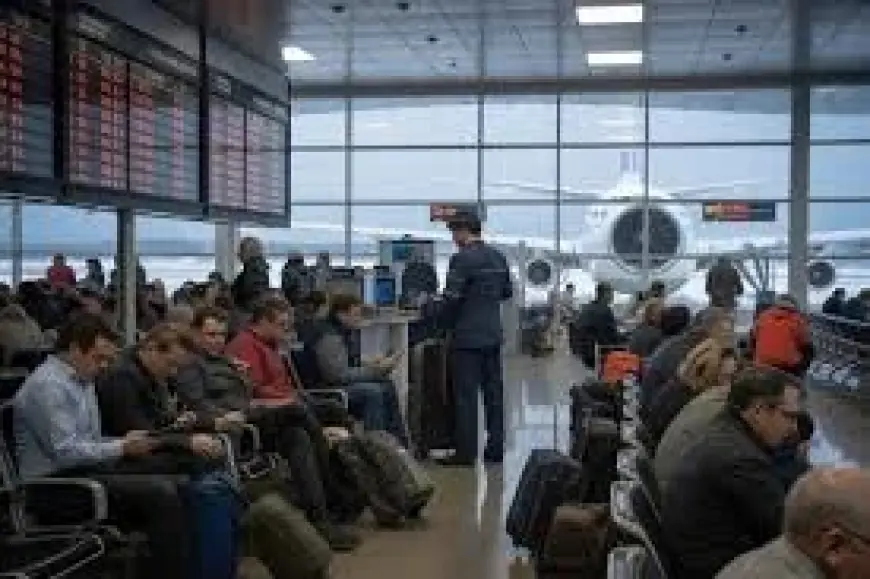
southwest airlines cancellations were among the disruptions hitting U. S. air travel as widespread flight suspensions and delays left thousands of travelers stuck across multiple cities, including Minneapolis, New York, Chicago, Kansas City, and Atlanta.
Southwest Airlines Cancellations Add to Broad Wave of Suspended and Delayed Flights
The latest disruption spans several major carriers and a wide geographic footprint, with over 690 flights suspended and roughly 4, 000 delayed across the country. The impacts were concentrated across a string of key markets and connecting points—Minneapolis, New York, Chicago, Kansas City, Atlanta and other cities—creating ripple effects for travelers moving through those hubs.
With flight schedules interrupted at scale, passengers faced the immediate consequences of missed connections and interrupted itineraries. The scope of the disruption reflects a systemwide strain rather than a localized setback, affecting both departures and arrivals across multiple regions.
Atlanta Sees Diversions as Flights Reroute to Huntsville
Operational complications extended beyond cancellations and delays. In one example of how conditions forced real-time changes to airline routing, seven flights were diverted from Atlanta to Huntsville.
Diversions can create a cascading set of challenges for travelers and carriers alike: aircraft and crews end up out of position, schedules compress, and passengers may need to be moved onward by alternative flights once aircraft can return to their intended routes. The Atlanta-area diversions underline how quickly disruptions can spread when a major airport experiences operational stress.
Tornado Threats in the Midwest Intensify Disruptions for American Airlines
Severe weather threats were also a key factor in the broader breakdown of schedules. American Airlines increased flight disruptions tied to tornado threats in the Midwest, an escalation that added pressure during an already difficult travel period.
The combination of tornado threats and widespread disruptions across multiple carriers points to fast-changing conditions across several regions, complicating decisions about which flights could safely operate and which needed to be delayed or suspended. As airlines responded, travelers moving through affected corridors faced heightened uncertainty about departure times and routings.
What Travelers Should Expect Next as Disruptions Continue
The day’s travel picture shows multiple kinds of disruptions happening at once: suspended flights, large-scale delays, and diversions. For passengers, that mix can mean longer recovery times, especially when disruptions touch multiple large airports at the same time.
Even as carriers work to restore normal operations, the immediate outlook remains fluid across the impacted cities. Travelers affected by southwest airlines cancellations and other disruptions may see knock-on changes to schedules as airlines reposition aircraft and crews following the day’s suspensions, delays, and diversions.
With tornado threats and severe conditions influencing airline decisions, the pace of normalization will depend on how quickly operations can stabilize across the affected regions and airports.