Heat Dome Canada Sends Southwestern Heat Into BC, Triggers Potent Atmospheric River

An early-season system described as a heat dome canada is building record-breaking March warmth in the Southwestern United States that will push a potent atmospheric river into British Columbia for the week to come, meteorologist Kevin Mackay says. The pattern is one element of a larger stretch of extreme March weather affecting wide swaths of North America.
Heat Dome Canada and the Pacific Connection
The most immediate confirmed development is the surge of March heat in the southwestern U. S., which is expected to help steer a powerful stream of moisture northward into coastal British Columbia. Meteorologist Kevin Mackay has outlined that this warm anomaly will fuel an atmospheric river into BC over the coming week, creating a pathway for intense precipitation rather than prolonged warmth in western Canada.
Headlines have framed the setup as an “early-season heat dome” with major impacts for western Canada, though the direct effect in BC is the transfer of moisture and heavy rain potential rather than sustained regional heat. The situation underscores how a strong warm pocket far south can reconfigure storm tracks well to the north.
U. S. Weather Extremes Collide
At the same time, the United States is experiencing an unprecedented overlap of March weather extremes: forecasts point to a blizzard, a polar vortex, a heat dome and an atmospheric river occurring in close succession. That convergence is producing a mix of flooding rain, record heat and late-season snow across different regions, illustrating the broad and contrasting impacts of the current pattern.
These simultaneous phenomena are not isolated; the same large-scale shifts that generate intense warmth in one area can deepen cold intrusions and amplify storm systems elsewhere. The result is a patchwork of hazards from heavy precipitation to disruptive winter storms.
East Prepares for Bitter Cold
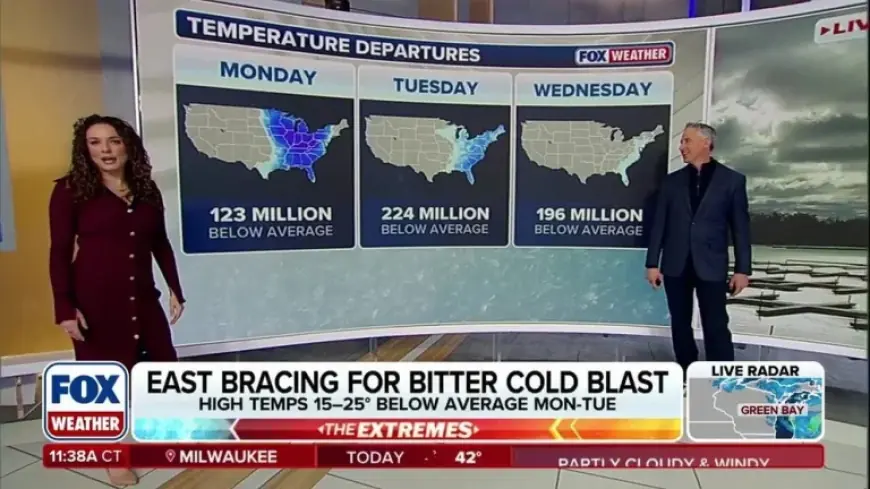
Meanwhile, the eastern half of the United States is bracing for a substantial return of winter. An Arctic blast will push temperatures back down into the teens and 20s for much of the region next week, with nearly 225 million people expected to feel the chill. The cold surge is part of the broader March volatility, contrasting sharply with warmth and moisture being driven toward the Pacific Northwest.
Forecasters are monitoring the interactions between these competing air masses. While details of timing and intensity are still developing, the confirmed elements—record warm air driving a moisture plume into BC, concurrent extreme events across the U. S., and a strong Arctic intrusion in the East—frame the short-term outlook for North American weather.
As the week progresses, authorities and residents in affected areas are being advised to follow local guidance for precipitation, flood risk and cold-weather preparedness. Weather agencies and meteorologists will continue to track how the heat-to-moisture transfer unfolds along the Pacific coast and how the eastern cold front evolves in the days ahead.