North Sea Discovery Sparks Fresh Focus on Doggerland’s ‘Lost World’ Beneath the Waves

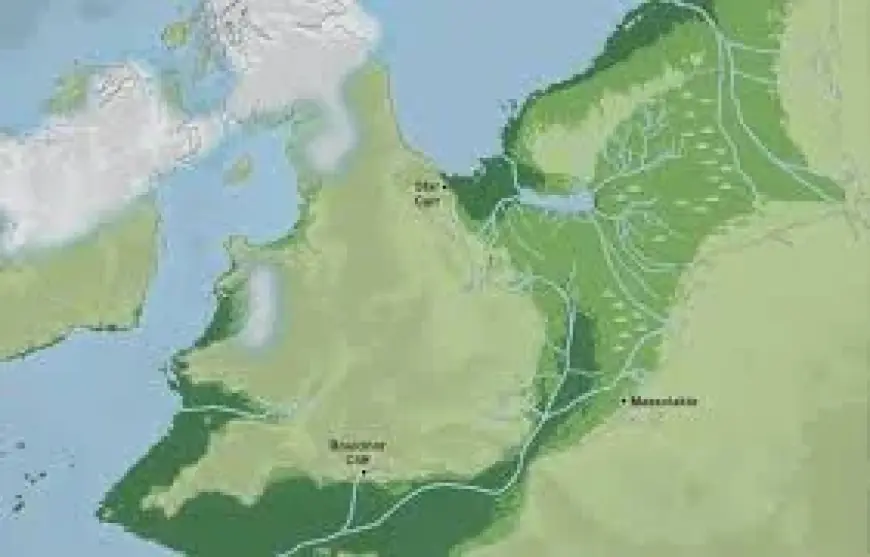
Archaeologists are drawing renewed attention to the north sea after fresh coverage highlighted ancient evidence of a “Lost World” beneath its waters—an area commonly referred to as Doggerland, the lost land that once connected Britain to Europe before the sea swallowed it. Separate recent reporting also points to ancient DNA findings that reveal Ice Age forests in this submerged landscape.
Archaeologists Highlight Evidence of a Submerged “Lost World”
The latest wave of interest centers on accounts describing archaeologists finding ancient evidence of a “Lost World” beneath the North Sea. The coverage frames the discovery as part of a broader effort to understand what existed in the region before it became seabed—an approach that treats the underwater environment not only as a marine space, but as a former inhabitable landscape with traces that can still be studied.
While the details of the evidence are not fully laid out in the available summaries, the emphasis across the recent headlines is consistent: researchers are documenting signs of past environments now hidden below the waterline. The reporting positions these findings as part of an ongoing attempt to reconstruct a vanished world rather than a single isolated artifact or site.
Doggerland and the Land Bridge That Once Linked Britain to Europe
Doggerland is described in the recent coverage as a lost landmass that once connected Britain to Europe, before the sea ultimately swallowed it. That core idea—connection followed by inundation—has become central to public interest in the subject, helping explain why the North Sea continues to be a focal point for archaeologists and science writers alike.
The concept of Doggerland is presented in the headlines as a “lost land, ” underscoring that it is no longer visible and must be inferred through research. The current attention reflects both the enduring fascination with landscapes that disappeared and the scientific challenge of piecing together what that environment might have been like when it existed above sea level.
Even with limited specifics available in the summaries, the framing makes clear that Doggerland is being treated as a meaningful geographic and cultural reference point—one that anchors broader claims about what may be preserved under the North Sea today.
Ancient DNA Points to Ice Age Forests Under the North Sea
A separate recent headline adds another layer to the story: ancient DNA is described as revealing Ice Age forests in Doggerland’s “Lost World. ” That suggestion—forested landscapes identified through genetic traces—signals a scientific angle that goes beyond traditional excavation narratives, emphasizing biological evidence as a tool for reconstructing past environments.
The coverage does not provide additional detail about how the ancient DNA was obtained or analyzed, or what specific plant or ecosystem signatures were detected. Still, the headline-level claim indicates that researchers are using genetic material to infer ancient habitats, reinforcing the idea that the seabed may hold more than scattered remnants—it may preserve clues about broader landscapes and ecosystems that once existed.
Taken together, the recent reporting points to a wider shift in how the “Lost World” beneath the north sea is being described: not just as a drowned land bridge, but as an environmental setting with traces that can be approached through multiple lines of investigation, including archaeology and ancient DNA research.
For now, the available information remains at the level of headline summaries, and key supporting details—such as the precise nature of the archaeological evidence or the specifics of the DNA findings—are not yet spelled out in the provided material. As additional confirmed information emerges, it may sharpen what, exactly, these discoveries can say about Doggerland and the landscapes that disappeared beneath the North Sea.