Nissan Leaf App Shutdown In U.K. Sparks Backlash As Remote Features Are Cut

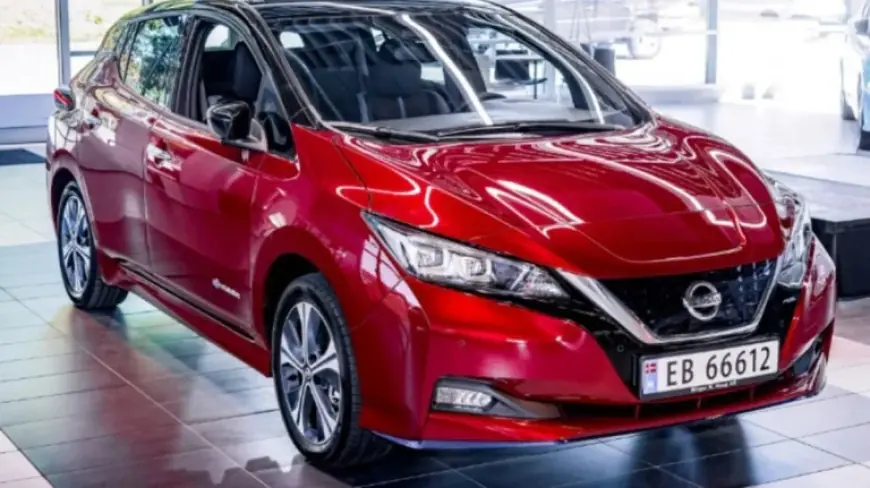
Owners are voicing anger over the nissan leaf app shutdown, after Nissan told drivers of Leaf models built before May 2019 and the e-NV200 van that the NissanConnect EV app will cease operation from March 30, ending remote features such as preheating and some map functions.
What the Nissan Leaf App Shutdown Means for Owners
The decision affects a large group of earlier Nissan electric vehicles that have relied on the NissanConnect EV app to manage daily tasks from a phone. The change will remove the ability to start cabin heating remotely, set or view smart charging from outside the vehicle, and check battery status on a handset. In-car functions, including climate and charging timers, will remain accessible through the infotainment system, but the convenience of remote control will be lost for the affected models.
Some owners say the loss of remote features will disrupt regular routines. One driver said the most frustrating part would be no longer being able to smart-charge or warm the car on frosty mornings, noting that checking charge levels from a phone had become a key part of ownership. Others described the move as “shockingly bad, ” arguing that a core feature had effectively been supported for only a limited period compared with a car’s typical lifespan.
In online discussions, a driver suggested that newer vehicles may keep remote functions through paid connectivity, stating that post-2020 models require a monthly fee for remote control features. While that comment reflects one owner’s experience, it has fueled broader concern that connected features once included with a vehicle may increasingly require subscriptions over time.
Timeline, Uncertainty, and Nissan’s Explanation
Notices to customers have centered on March 30 as the date when the app will stop working for the affected vehicles. One message referenced March 30, 2026 for the end of access to certain map-related features and remote functions, creating some confusion over timelines. What is clear is that owners with pre-May 2019 Leafs and the e-NV200 van have been told the app will cease operation, and that remote services will no longer be available in those vehicles.
Nissan has attributed the change to the legacy architecture of the platform that underpins the current app. The company has said the platform cannot be upgraded to support future enhancements or align with ongoing development plans. It has also stressed that key functions such as the climate control timer and charging timer will still be reachable directly from the car’s navigation infotainment system, and it has pointed owners to in-car guides to manage those features.
The nissan leaf app shutdown has also prompted complaints about notice periods. One driver noted that some early 2020 owners would be unhappy to see remote access removed “with a month’s notice, ” highlighting frustration among those who felt they had recently purchased vehicles with connected features they expected to last longer.
A Warning Sign for Aging Connected Cars
Industry voices have framed the development as a preview of how aging connected vehicles may fare as software platforms evolve. A motoring expert said modern cars increasingly rely on digital services and over-the-air updates, and support for those systems is likely to diminish as vehicles get older. That could, over time, put other features at risk of being turned off or left unsupported, from navigation and touchscreen functions to optional paid upgrades such as heated seats or advanced driver aids.
Technology analysts note that the wider software world has been shifting toward subscription-based models. While that approach is familiar in entertainment and gaming, it can be more problematic when embedded in durable goods like cars that are expected to last a decade or more. One expert argued that minimizing environmental impact requires building vehicles to last—and that software and digital systems should be as durable and reliable as mechanical components.
Nissan previously faced criticism when first-generation Leaf models lost connectivity after the U. K. ’s 2G network was switched off in 2024. For some owners, this latest step reinforces concerns that vital digital features can become unusable ahead of a car’s mechanical life, leaving drivers with fewer functions and choices unless they pay for new services or upgrades.
For now, owners of affected Leafs and e-NV200 vans face a near-term loss of remote control and some map capabilities, with core scheduling features still available in the vehicle. The company has said it remains committed to next-generation connectivity solutions, but it has not publicly outlined a replacement path for the discontinued app on these models.