Max Verstappen Shanghai Qualifying Leaves Red Bull Facing Deep Performance Gap

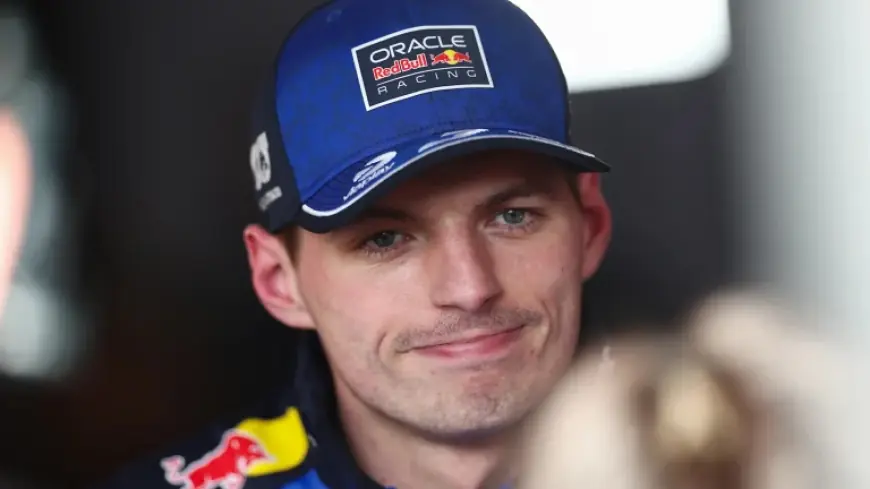
Max Verstappen described Red Bull’s qualifying adjustments as making “zero difference” after a difficult day in Shanghai that left the four-time champion set to start the Chinese Grand Prix from eighth on the grid.
Max Verstappen: ‘Zero Difference’ and a Car ‘Incredibly Difficult to Drive’
Verstappen said the team changed “the whole car” between sessions but found no improvement, adding that he had “no balance” and that the RB22 was “incredibly difficult to drive. ” He described the effort to find a consistent reference as futile, saying every lap felt like survival and that the car was “all over the place. ”
Grid Positions, Sprint Results and Team Pace
The weekend in Shanghai compounded a difficult start to the season for the championship-winning squad. Verstappen finished outside the points in the Sprint and then qualified nearly a full second slower than the polesitter, leaving him on the fourth row. His team mate, who also struggled for pace, was set to start further down the order.
Red Bull found itself outpaced by Mercedes, Ferrari and McLaren in qualifying, with a performance gap described by the team leadership as substantial. The deficit appeared split between straight-line speed and cornering performance, and the team principal acknowledged the shortfall would require broad improvements across departments rather than a single fix.
Race Day Uncertainty after Retirement and Dashboard Glitch
During the race, Verstappen was instructed to retire his car, an action described as his first retirement in Shanghai. Observers noted a moment when the dashboard briefly went blank and then returned, and the retirement was attributed to a mechanical issue that has not been fully explained. Those details remain uncertain while the team investigates what happened on track.
The retirement compounded the on-track troubles that began in qualifying and the Sprint, turning the weekend into a test of troubleshooting for engineers and drivers alike.
Why This Matters and What Comes Next
The combination of handling instability, a sizeable pace gap to rivals, and a race-ending mechanical problem highlights a multi-faceted challenge for the team. Red Bull has recently begun using its own power units, and while pre-season testing suggested progress, the race weekends have exposed shortcomings that the team must address urgently.
Team leadership framed the situation as a “360 improvement” task, indicating upgrades and refinements will be needed across the car and operations. For Verstappen, the immediate priority will be stabilizing the RB22’s balance so lap-to-lap performance becomes predictable enough to mount a recovery at future events.
Investigations into the mechanical issue that ended the race will be central to the team’s short-term work, while engineering and aerodynamic departments pursue the broader performance gains identified as necessary. Uncertainties remain about the precise causes of both the handling problems and the retirement; further technical debriefs are expected to clarify next steps.
For now, Verstappen and his engineers face a twofold task: find reliable balance in the car and resolve the mechanical fault that curtailed the race weekend, with the aim of closing the gap to the leading teams in the next rounds of competition.