Tucker Carlson Merch Draws Unexpected Fans Beyond a Conservative Audience

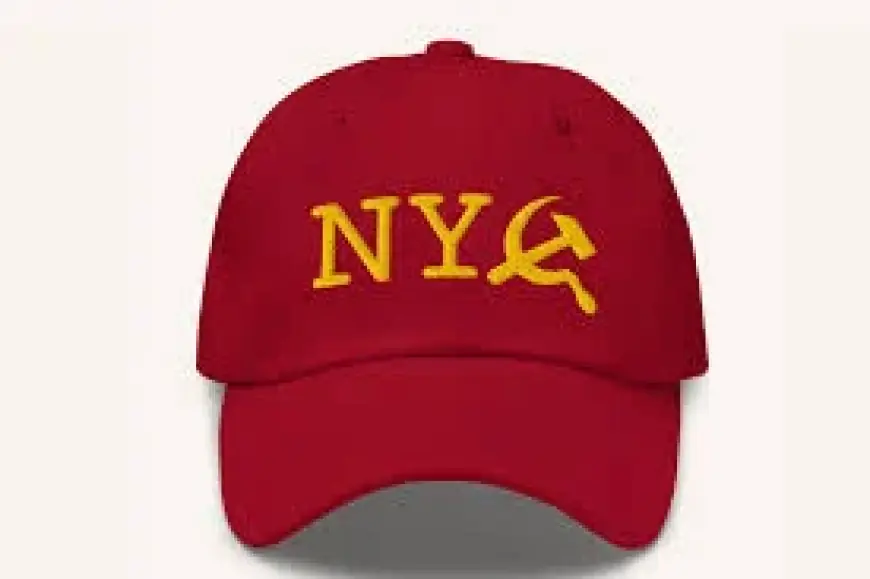
tucker carlson merchandise is being framed in recent coverage as finding an audience well beyond conservative shoppers, with multiple reports characterizing the products as a “surprise hit with liberals” and a signal of how today’s influencer economy can scramble traditional political expectations.
Tucker Carlson Merch Shows Appeal Outside Traditional Political Lanes
The emerging storyline across the latest headlines is that the merchandise tied to tucker carlson is not resonating only with a conservative base. Instead, it is described as gaining traction among people outside that expected audience, including liberals. The coverage positions the phenomenon as notable precisely because it cuts against the assumption that political media figures sell primarily to ideological loyalists.
While the articles vary in emphasis, the shared takeaway is that the merchandise has become a kind of cross-audience curiosity—something that can be purchased, worn, or circulated for reasons that may not align neatly with conventional partisan identity.
Why the “Surprise Hit With Liberals” Narrative Is Spiking Now
The most striking framing in the current coverage is the claim that the merch is a surprise success with liberals. That framing suggests consumers may be engaging with the products in a way that is not straightforwardly supportive or oppositional, and that the usual signals people expect from political-branded items may be changing.
The headlines also underscore that this interest is not limited to a small, niche crossover; it is being treated as a meaningful enough pattern to warrant broader attention, particularly because it challenges the idea that political identity and consumer behavior always move in lockstep.
What the Lefty Merch Moment Suggests About the Influencer Economy
Another strand of the coverage uses the “lefty merch” angle to make a broader point: the influencer economy can reward attention and novelty, even when the audience is not the one a creator or public figure might traditionally target. In that view, merchandise becomes less a straightforward badge of affiliation and more a flexible artifact of online culture—one that can travel across communities for mixed reasons.
As framed in the latest headlines, the tucker carlson merch story is being treated less as a conventional political merchandising play and more as a case study in how modern attention dynamics can blur the boundaries between ideology, irony, and consumer trends.