Child Care Plan In Scotland Sparks £500m Boost And 52-Week Provision

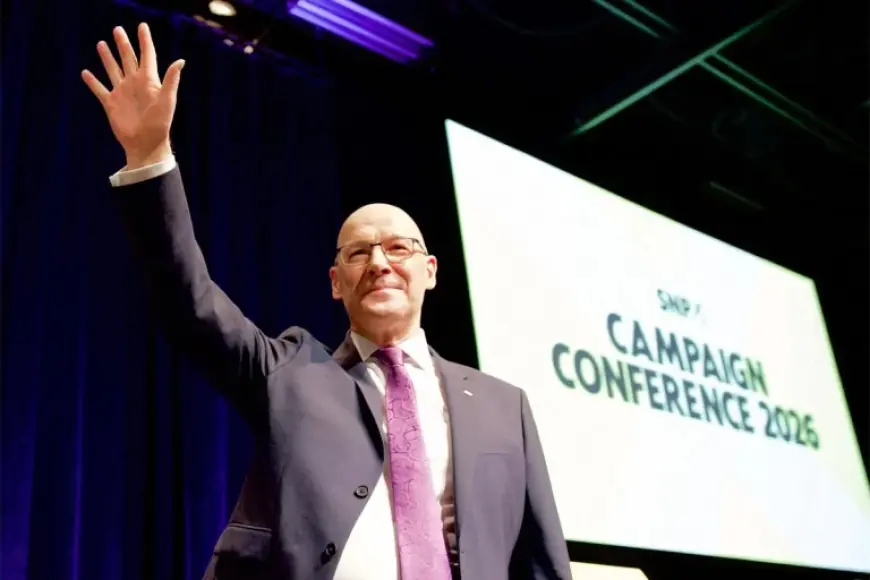
John Swinney has pledged to spend more than £500m to expand child care provision if the SNP is re-elected in May, promising year-round cover for families and a roll-out that would extend support from nine months old to the end of primary school.
Child Care Expansion Details
The pledge, made at the party’s spring conference in Edinburgh, sets out a national offer of care available 52 weeks a year and intended to be flexible around family working patterns. Swinney said the package would be backed by over half-a-billion pounds of new investment and would provide every family in Scotland with some level of support. He described the plan as a ‘‘brand-new childcare system that fits around families rather than expecting families to fit around the system. ’’
Funding, Benefits And Eligibility
Under the proposals families would receive financial help ranging from about £1, 400 up to more than £11, 000 depending on need. The commitment frames the expanded provision as universal in reach—covering children from nine months to the end of primary schooling—and available throughout the year to reflect the reality that parents’ work does not stop during school holidays. The announcement also includes other planned spending pledges intended to shore up local services and recovery efforts in the wake of a recent city-centre fire in Glasgow.
Complementary Health And Housing Offers
Alongside the child care measures, Swinney committed to doubling existing plans for GP walk-in clinics, increasing the number under development to 30 sites across the country to reach more towns and villages. The clinics are presented as a way to reduce pressure on appointment systems and improve local access to primary care. He also announced a recovery fund of £10m to support Glasgow’s council, businesses and agencies after a major fire, and that the government would underwrite a £1m cost to clear the affected site.
The conference set out further housing offers aimed at first-time buyers, including a proposed fund to provide deposits of up to £10, 000. Swinney framed the package of voter offers as building blocks toward a larger political objective and said the wider project of independence remained central to the party’s campaign.
These elements were presented as part of a campaign platform to be implemented if the party secures re-election in May. The proposals combine expanded early-years support with investments in local services, intended to address both immediate family needs and broader community recovery efforts.
Observers and delegates at the event described the package as designed to respond to what Swinney characterised as widespread calls from parents struggling to balance work and child care. The first minister positioned the commitments as offering practical relief to families while linking them to the party’s wider political aims.
As the campaign progresses, the practicalities of how the expanded provision would be delivered—such as workforce capacity, local authority roles and timelines for phased implementation—remain to be set out in full detail. The proposals are conditional on the party winning the election, leaving several operational questions for any future administration to resolve.
The offer marks a high-profile domestic policy plank in a campaign that also emphasises health access and urban recovery, with the government pledging targeted funds and an expanded network of primary-care access points should it return to power.