Israeli Prime Minister Says Strikes Killed Iranian Nuclear Scientists, Sparking Political Test in Israel as Regime-Change Hopes Fade

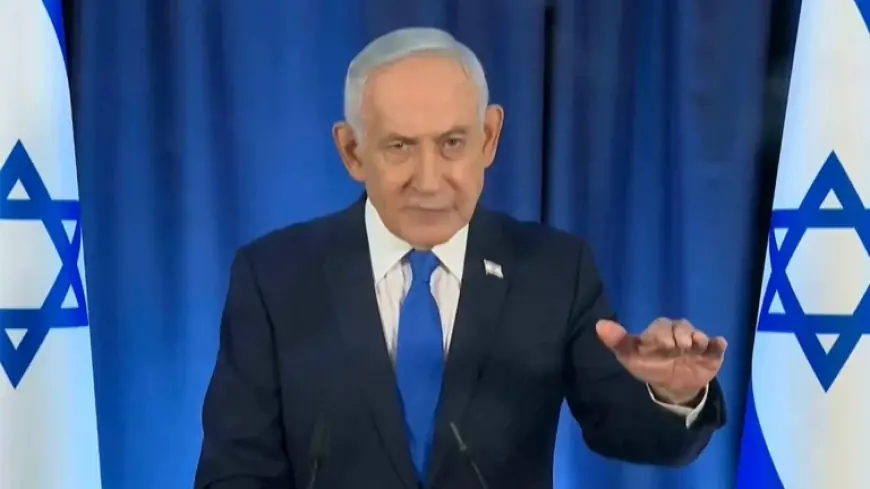
The israeli prime minister, Benjamin Netanyahu, said several Iranian nuclear scientists were killed in Israeli strikes, while signaling that the war may end without regime change in Tehran — a shift that underscores a looming political test at home.
Israeli Prime Minister Frames War as ‘Major Victory’ Without Regime Change
Israel’s top leadership has moved to frame battlefield gains as strategic achievements reshaping the region, even if the Tehran government remains in place. Netanyahu has long cast his political mission around confronting Iran, calling the current fight “a fateful campaign for our very existence. ” The Israeli military’s chief of staff described the effort as “an operation to secure our existence and our future in the land of our forefathers for generations to come. ”
Advisers and analysts close to Israeli policymaking have portrayed the conflict as a rare opportunity. One former national security adviser called it “a golden opportunity to change the direction of the whole Middle East. ” Neri Zilber, a Tel Aviv-based journalist and policy advisor, said Netanyahu has tried to rebrand the broader confrontation as the “War of Redemption” that began on October 7, 2023, adding: “This is — if not the last war — then the big war against Iran. ” He also said, “Benjamin Netanyahu is still selling a major victory. ”
The push to emphasize victory now sits alongside a reality that Netanyahu himself has hinted at: the conflict could conclude with Iran’s leadership intact. In his first press conference since the war began, he told Israelis that the bombing campaign had changed the balance of power. “We can already say with certainty: this is no longer the same Iran, this is no longer the same Middle East, and this is not the same Israel, ” he said.
Claims of Deep Damage and Calls to Iranians
Netanyahu said Iranian nuclear scientists were among those killed in the strikes and told Iranians that a “new path of freedom” was approaching, stressing that their country’s future ultimately depends on them. The remarks followed the assassination of Iran’s Supreme Leader Ayatollah Ali Khamanei in an air strike and repeated appeals to the Iranian public to rise up.
Military officials contend that this campaign has inflicted more profound and lasting harm on Iran’s weapons programs than previous rounds, with production sites and leadership struck alongside missile stocks and launchers. An Israel Defense Forces spokesperson, Lt Col Nadav Shoshani, described the impact as mixed but significant: “Some of it is permanent, and some of it is semi-permanent. ”
Netanyahu has previously argued that regime change in Tehran would diminish funding, training, and weapons for groups such as Hezbollah in Lebanon and Hamas in Gaza, potentially redrawing Israel’s security landscape. But the latest messaging indicates a recalibration toward the damage already inflicted, rather than a near-term promise to upend Iran’s leadership.
Political Test at Home as Endgame Comes Into Focus
Some in Israel may see the new tone as a sign the war could be wound down, with spiralling oil prices putting the U. S. government under pressure to call an end to the conflict. Public backing for the fight has rested, in part, on the premise that it would halt the cycle of repeated confrontations with Iran and its proxies.
That expectation has been tested before. After the last war against Iran in June 2025, the israeli prime minister heralded a “historic victory” that would “stand for generations, ” claiming two existential threats had been removed: Iran’s nuclear weapons program — which Tehran has denied seeking to develop — and its ballistic missiles. Israel returned to fighting eight months later, with Netanyahu arguing that Iran was quickly rebuilding its missile program and planning to move it, along with nuclear work, deep underground.
The question now facing Netanyahu is how durable the current gains will be if Tehran’s leadership remains unchanged. The government’s case rests on assurances that Iran’s capabilities have suffered deeper, longer-lasting setbacks this time, but even sympathetic voices acknowledge that some damage is temporary. With victory claims set against an uncertain endgame, the political test for Netanyahu is whether he can convince Israelis that the war has fundamentally reset the strategic equation — and for how long.