Cuban Protests In Moron Leave Communist Party Office Ransacked, Five Arrested

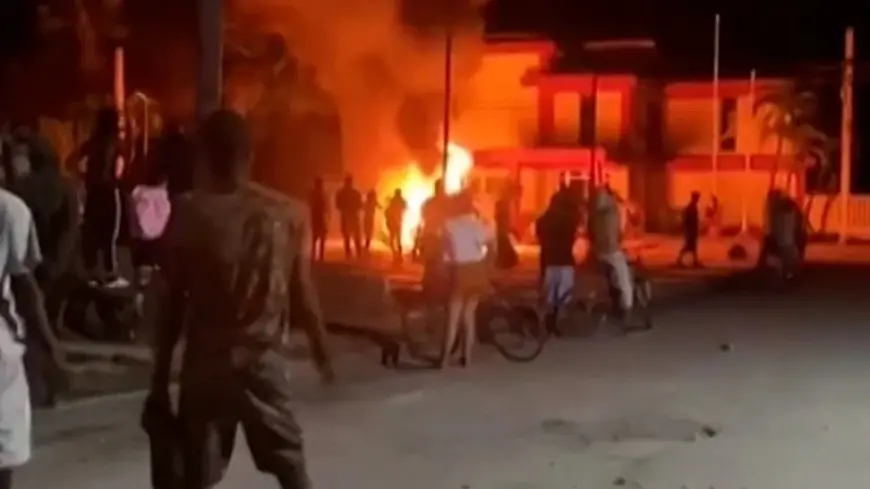
cuban protests in the central city of Moron ended with a small group breaking into a provincial Communist Party office, setting fire to furniture and equipment and prompting five arrests,. The disturbance followed a rally over rising food prices and prolonged power cuts amid mounting shortages of fuel, medicine and other essentials.
Ransacking, Arrests and Local Damage
Local authorities said five people were detained after the overnight incident in Moron. Protesters forced entry to the municipal committee headquarters of the Communist Party, removed documents and hardware and burned some items in the street. A smaller number of individuals also threw stones at the building and ignited a blaze using furniture taken from the reception area.
The unrest spilled beyond the party office: a pharmacy and a government-operated market were also targeted during the events, and footage circulating on social media appears to show rocks smashing windows while people shout demands for liberty as flames burn in the center of the street. Specialized forces have been deployed to investigate the acts described by authorities as vandalism.
Cuban Protests Driven by Rolling Blackouts and Shortages
Public anger has been growing amid rolling blackouts and shortages of food, fuel and medicine. Officials and commentators have linked the energy crisis to an external oil blockade that has reduced fuel shipments, leaving some power systems stretched and causing disruptions to public services including rubbish collection, hospital wards, transport and education.
The president acknowledged that protesters’ complaints were legitimate but warned that violence and vandalism that threaten public order would not be tolerated. He said the prolonged blackouts have caused distress and blamed the intensified oil blockade for the disruption to fuel supplies, noting that no petroleum shipments had entered the country in recent months.
Government Response, Dialogue and Legal Context
Authorities described the demonstration as having begun peacefully before degenerating into vandalism. The Interior Ministry said specialized investigative units are examining the incident. The president also confirmed that talks with the United States were under way to seek solutions through dialogue to differences between the two governments.
Public demonstrations are uncommon in the country. The constitution grants the right to protest, but a law defining the extent of that right remains stalled in the legislature, leaving the boundaries of permissible public dissent unclear. Officials emphasized that while economic grievances are real, actions that escalate into violence will prompt enforcement measures.
The episode in Moron marks a rare and visible outburst of discontent tied to economic and energy pressures that have intensified in recent months. Investigations are continuing, and authorities have signaled a dual approach of pursuing legal action for vandalism while engaging in diplomatic talks aimed at easing broader supply constraints.