Ezequiel Tovar and the Rockies’ 2026 Shortstop Picture as the Club Shifts Its Measure of Success

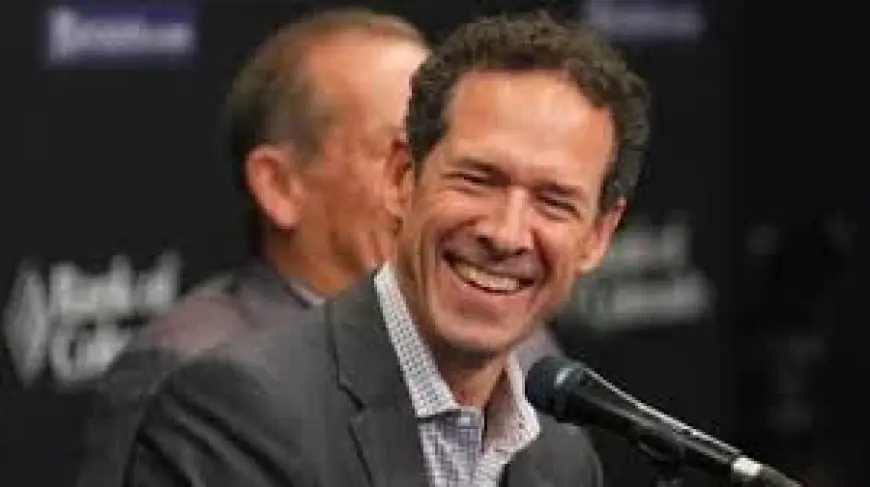
As Colorado looks ahead to 2026 with a reframed, more abstract measure of success, ezequiel tovar is landing at the center of attention in the club’s shortstop conversation and in broader questions about what progress should look like for a rebuilding roster.
Rockies’ 2026 outlook: measuring progress beyond the standings
The Rockies’ internal framing for 2026 is being discussed in terms that go beyond a straightforward win-loss benchmark. With the organization publicly emphasizing a less conventional definition of success, the focus naturally shifts toward development, role clarity, and whether key positions are stabilizing as the roster continues to be rebuilt.
That approach has implications across the diamond, but it is especially noticeable at premium positions where everyday reliability can shape a season’s trajectory. The club’s evolving standard also intersects with the kinds of questions fans most commonly ask during a rebuild: not only whether the team can take a step forward, but what “a step forward” is supposed to mean in practical terms.
Ezequiel Tovar and the “State of the Position, 2026” shortstop discussion
One of the clearest windows into that bigger-picture evaluation is the shortstop spot itself. In a 2026 “State of the Position” look at shortstop, the position is framed as its own topic of scrutiny—an indication that it remains central to how the roster is assessed heading into next season.
Within that landscape, ezequiel tovar is a focal point of the ongoing shortstop picture. The attention reflects the way a single position can become a barometer for whether a multi-year plan is translating into something tangible. In the Rockies’ case, the shortstop conversation sits at the intersection of immediate on-field needs and longer-term roster shape.
At the same time, the fact that the shortstop spot is being treated as a distinct state-of-the-roster topic underscores that the club’s 2026 evaluation is not limited to a single question. The position’s outlook is being discussed alongside broader organizational themes, including how to define progress when the endpoint is not framed strictly by the standings.
Mailbag question: can a rebuilt Rockies team reach 70 wins in 2026?
The public-facing debate over expectations has also taken a concrete form: whether a rebuilt Rockies club can win 70 games in 2026. That question, posed in a mailbag format, captures the tension between traditional benchmarks and the team’s more abstract internal framing of success.
On one hand, a win total gives fans an easy shorthand for whether a season felt like a breakthrough. On the other, the Rockies’ own messaging about 2026 suggests the club may be emphasizing indicators that aren’t easily summarized by a single number. Those two ideas can coexist, but they often create different lenses for interpreting the same season.
Where that leaves the 2026 discussion is a push and pull between measurable outcomes and developmental signals. The shortstop position—often treated as a cornerstone spot—becomes one of the easiest places for that conversation to crystallize, because the day-to-day stability (or instability) of the role tends to be visible even when the team’s broader progress is harder to quantify.
For now, the outlook for 2026 is being framed through these overlapping angles: a leadership-driven shift toward an “abstract” measure of success, a position-by-position assessment that puts shortstop in the spotlight, and a fan-facing question about whether the rebuild can produce a clear win-total step forward. The answers may ultimately be judged on multiple tracks at once.