Ian Mckellen Mission: Impossible 2 Casting Clash Leaves Him Free for X‑Men and Lord of the Rings

In an account drawn from past interviews and film commentary, actor ian mckellen emerges as a pivotal figure in several late‑1990s casting decisions that helped shape two major franchises, while continuing to voice candid opinions on contemporary adaptations of Shakespeare.
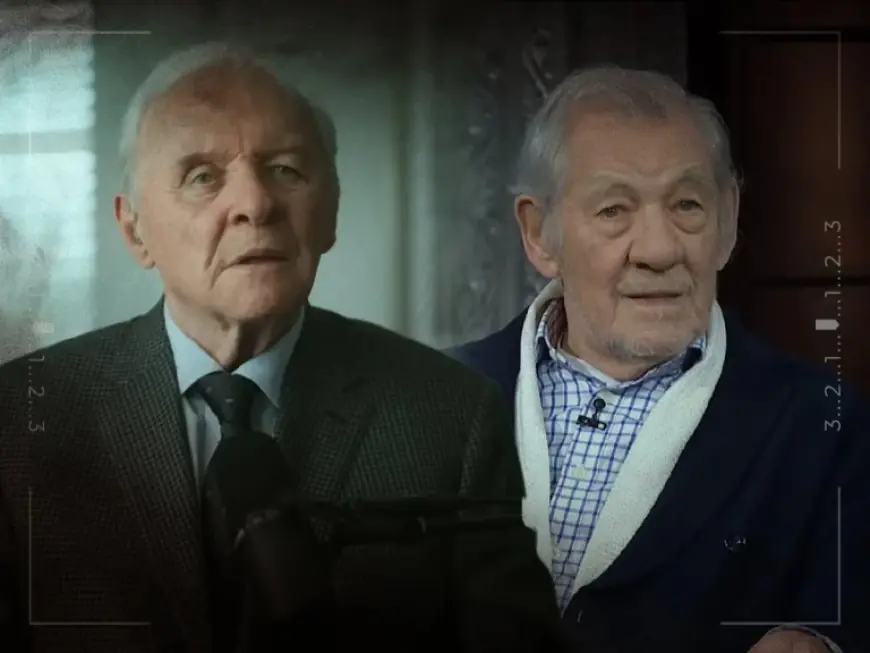
Hopkins And McKellen Both Considered For Same MI: 2 Part
In the late 1990s, Anthony Hopkins and Ian McKellen were both in contention for the part of Swanbeck, the boss of Tom Cruise’s character in Mission: Impossible 2. The role ultimately went to Hopkins in the form of a small, uncredited cameo; he has said he had little sense of the film’s plot and remembered being on the production for only a few days, during which time a number of retakes were required.
McKellen has said he was offered the part but turned it down after producers showed him only the scenes in which the character appeared. He later reflected that accepting the role would have conflicted with other commitments, noting that it would have prevented him from taking parts in two projects that became landmark franchises for his career.
Ian Mckellen On The Consequences: X‑Men And Lord Of The Rings
McKellen’s decision to decline the Mission: Impossible 2 scenes cleared the way for his subsequent work in two major series. He went on to portray Magneto in the X‑Men films and to take on Gandalf in Peter Jackson’s Lord of the Rings trilogy, roles that brought him wide international recognition and long‑running franchise returns in later years.
Mission: Impossible 2 itself was commercially enormous, bringing in more than half a billion dollars against a production budget of $125million, even as some critics and viewers regard it as one of the weaker entries in that series. Hopkins has acknowledged McKellen made a smart career move in turning the offer down, and McKellen has said he never watched the completed film.
McKellen’s Critique Of Hamnet And Shakespeare Adaptation Choices
Separately, McKellen has expressed skepticism about Chloé Zhao’s film Hamnet, a project that has been prominent in awards conversation. Drawing on his long experience with Shakespearean roles, he described the film as a misguided interpretation of where Shakespeare’s imagination originated and questioned certain narrative decisions, particularly the portrayal of Anne Hathaway’s familiarity with the theatre.
McKellen framed his objection around plausibility and emphasis, saying he was not convinced that Shakespeare’s creative life flowed directly from the private dynamics the film foregrounds. His remarks underline a longstanding debate about how far historical fiction should reshape the lives of real figures for dramatic effect.
On A Single Word That Became A Movie Quote
McKellen’s performance in Peter Jackson’s adaptations also intersected with a small but pivotal change in Tolkien’s text that critics and viewers still cite. In the book, Gandalf’s confrontation with the Balrog reads as “You cannot pass. ” In the films, that line was altered to “You shall not pass!” — a one‑word swap that transformed the moment into a more assertive, performative declaration.
The change was questioned by McKellen in rehearsal, but the creative team defended it as an invocation suited to performance. The swap shifted the scene’s tone from a statement of destiny to an act of personal defiance, a choice that has become one of the trilogy’s most quoted cinematic moments.
Looking ahead, McKellen remains connected to the franchises that benefited from his earlier casting choices. He is slated to return as Magneto in an upcoming ensemble superhero release due in December this year, and he has reprised Gandalf in subsequent Middle‑earth projects, maintaining a presence in both the comic‑book and fantasy cinema worlds.