Pep Guardiola Defends Manchester City F.c. Lineup After Bernabeu Loss Sparks Criticism

Pep Guardiola launched a passionate defence of Manchester City F. c. ‘s team selection after a 3-0 defeat at the Bernabeu in the first leg of their Champions League last-16 tie, saying he had chosen an attack-minded lineup and arguing that criticism follows defeat while praise follows victory.
Manchester City F. c. Manager Defends Lineup
Guardiola described the reaction to the loss as predictable: the same choices that attract praise when they succeed are heavily criticised when they do not. He said the decision to field a more attacking shape at the Bernabeu was deliberate, intended to create a greater threat in and around the opposition box, and that City were close to that plan in the opening 20 minutes.
Guardiola Lays Out Rationale And Past Examples
Speaking at length after the match, the manager referenced his long experience in the competition and recalled previous moments when similar selections had been dissected. He noted that he has experienced heavy criticism in the Champions League many times, and said that public reaction is shaped by results: winning prompts labels of genius, while losing invites harsh condemnation.
To illustrate his point he invoked the fallout from a previous Champions League final in which he left two holding midfielders on the bench, and contrasted that with the reaction to a recent FA Cup victory at Newcastle where extensive changes drew surprise but produced a positive result. He said that explaining the choices would not necessarily persuade critics after a heavy defeat and used an onomatopoeic image to describe the intensity of the criticism he receives.
Match Details, Personnel Choices And Opposition Response
The visitors went down 3-0 after an opening half in which their intended attacking threat did not yield goals. The manager noted that players in the box must make the right movements and have the instinct to score — “guts and nose, ” as he put it — and that some crosses failed to produce returns. In Madrid the manager made a change in the forward setup, pairing Erling Haaland with Antoine Semenyo in an attempt to refresh the attack.
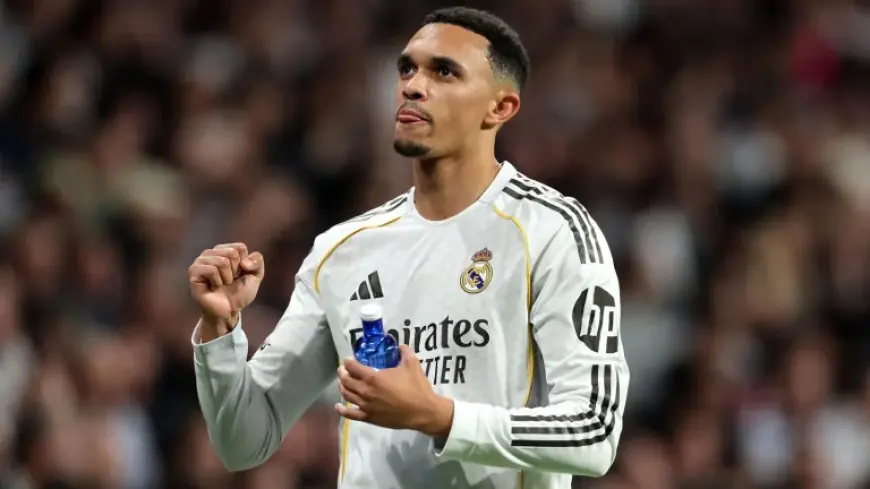
Opposition finishing proved decisive: Federico Valverde produced a first-half hat-trick, a clinical performance that put the home side firmly in control. Members of the opposing team later reflected on using underdog status as motivation and praised their own execution in the opening period.
Implications And The Immediate Road Ahead
Guardiola framed the defeat as a moment to move on to domestic fixtures and then to prepare for the second leg at the club’s home stadium on Tuesday. He said the reaction in the media would follow whatever happens in that return match and signalled readiness to keep focussing on the next challenge, including an upcoming trip to face West Ham, where City seek crucial points in the title race.
The manager emphasised continuity: he has navigated similar storms before and intends to press ahead with his approach. Uncertainties remain about how personnel and tactical tweaks will be adjusted for the return leg, and Guardiola acknowledged that results will largely determine whether his recent selections are vindicated or criticised further.
For now, the confirmed facts are clear: Manchester City F. c. trail 3-0 in the Champions League last-16 tie after a loss in Madrid, Guardiola has publicly defended his attacking choices and attention turns to the domestic schedule and a decisive second-leg at the Etihad.