Six Nations Winners Prize Fund Leaves Home Nations Facing £3M Gap

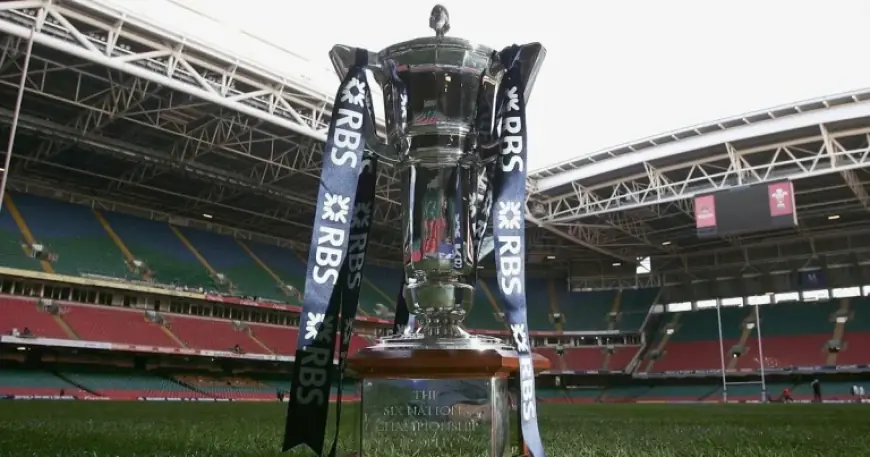
The expected distribution of tournament money means six nations winners could receive roughly £6. 5m from a prize pool anticipated to mirror last season’s £18. 5 million, while the runner-up would be set to receive about £3. 5m. The total for 2026 has not been confirmed.
Six Nations Winners: How The Prize Fund Is Expected To Be Allocated
While the overall sum for the 2026 competition remains unconfirmed, projections based on last season indicate a sliding scale of payments tied to final table positions. The champions are forecast to pocket roughly £6. 5m, leaving a gap of approximately £3m between first and second place, with the runner-up expected to receive about £3. 5m.
Payments further down the table are expected to remain meaningful: third place is projected at roughly £2. 5m, fourth about £2m, fifth near £1. 5m and the team finishing last still receiving an estimated £1m. Those figures are intended to provide a baseline that helps unions meet costs and invest in longer-term programmes.
Grand Slam Bonus And The Money At Stake
A separate Grand Slam bonus of £1m is slated to reward any team that wins all five matches. If no side achieves a clean sweep, the bonus is typically shared among the remaining five nations, an arrangement designed to keep fixtures competitive even when the title race is effectively decided.
The presence of a sizable Grand Slam incentive amplifies the financial difference between finishing at the very top and narrowly missing out, reinforcing why the projected £3m gap between first and second carries weight beyond prestige.
What The Payouts Mean For National Unions And Players
These payouts are directed to national unions, where funds are described as vital for reinvestment in coaching, grassroots rugby and player development across the home nations. The projected prizes provide a multi-million-pound boost even for lower-placed teams, with the consolation sum for the wooden-spoon side intended to cover tournament expenses and support sustainability.
Individual player remuneration is managed separately by each union; for example, match fees for England players have historically been around £23, 000 per game. Unions frequently channel portions of tournament receipts into performance-related bonuses for squads, tied to final rankings and other contractual arrangements.
Given that the total fund for the coming tournament has not been finalised, the figures outlined remain projections based on last season’s distribution. That uncertainty means unions and players must plan with contingency in mind while recognising the potential financial incentives on offer for finishing positions and a Grand Slam.
Looking ahead, the allocation model — a steep sliding scale with a clear premium for winning — is likely to continue shaping strategic priorities for unions as they balance immediate competition aims with longer-term investment in development pathways.