Ollie Chessum In Starting Line-Up In Paris As England Selection Sparks Renewed Pressure

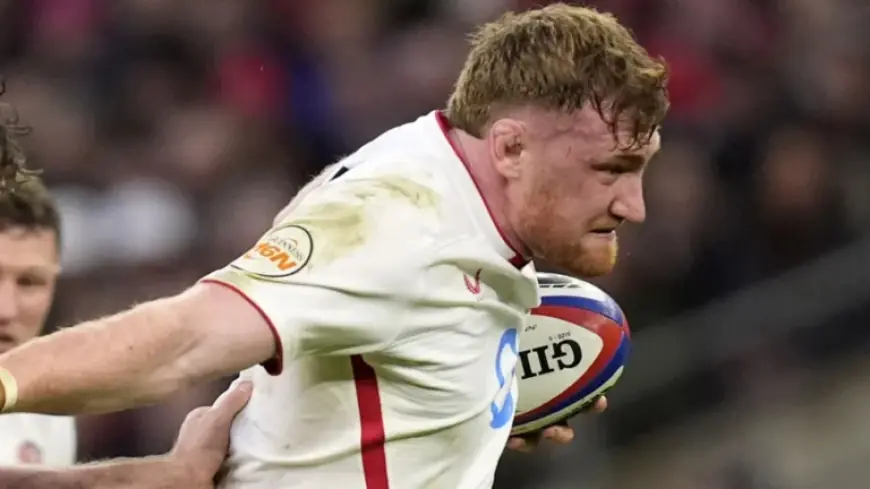
England have made a single change for their final Six Nations match, with ollie chessum named to start at blindside flanker as the side travels to Paris while the campaign’s poor run increases scrutiny on the coaching team.
Ollie Chessum To Start At Blindside Flanker
The one alteration to the side that lost to Italy sees Ollie Chessum come into the starting XV in place of Sam Underhill, who will move to the bench and is set to mark his 50th England appearance from there. A fellow team-mate, Marcus Smith, is also poised to reach a 50-cap milestone from the match-day squad.
Coach Steve Borthwick explained the selection decision by pointing to Chessum’s recent impact when introduced from the bench against Italy, noting his set-piece work and his carrying of the ball after coming on. The coach described the fixture as “a huge challenge under the lights in Paris against a very strong France side. ”
Campaign Form, Stakes And The Paris Stage
England enter the match attempting to avoid a return of only one win from their Six Nations campaign, which would be their worst since the tournament expanded in 2000. Defeats by Scotland, Ireland and Italy have formed a damaging run that has cast doubt over the direction of the project.
France will approach the game with their own recent turbulence: a high-scoring loss in Scotland left their title ambitions dented, but the home stage is being treated as an occasion, with a retro light-blue shirt planned for the side and an elaborate pre-match show scheduled at the stadium.
Tactical Questions And What Must Change
Commentary around the contest has highlighted several tactical priorities for England: deny offloads and transition opportunities, tighten control at the breakdown when attacking, and feed front-door runners while remaining alert to counter opportunities from roaming threats. Those areas are presented as a practical way to blunt France’s attack and give England the best route to scoring opportunities.
Some observers have argued that the team’s gameplan has become too predictable and that England tend to find their most dangerous attacking expression only when chasing matches. The challenge for the coaching staff is to provoke that energetic, ball-moving style earlier and more consistently rather than waiting until late in matches.
Selection Context And Squad Continuity
The latest selection represents a return to continuity after wholesale changes were made earlier in the campaign following back-to-back defeats, when nine personnel alterations produced the most changes ever made by England in a single round of the championship era. This weekend’s modest tweak reflects confidence that the near-unchanged group gives the best chance in Paris.
Nothing in the squad list removes the pressure on the coaching team. Losses in recent rounds have tightened the spotlight on strategic direction and personnel choices, and the result in Paris will intensify evaluation of both.
With the season’s final match looming on Saturday, England must arrest their slide and show clearer attacking invention and defensive discipline if they are to avoid a campaign that would be judged a significant setback for the programme.