Thomas Ramos: Décryptage — How Louis Bielle-Biarrey Has Progressed Under High Balls

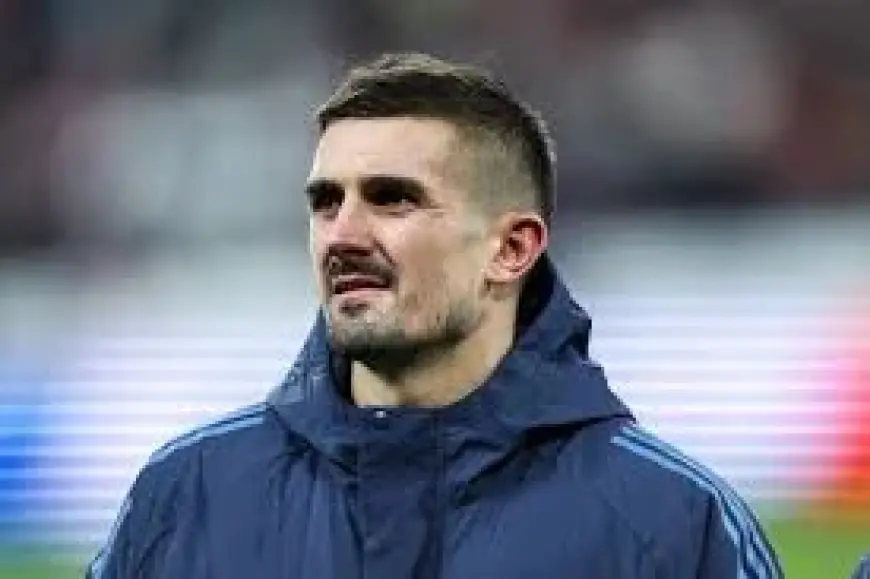
thomas ramos — This analysis examines how Louis Bielle-Biarrey has turned a previous weakness under high balls into a clear strength, becoming one of the Bleus’ most reliable options when the ball is in the air.
From Costly Hesitation To Aerial Specialist
A painful memory is often cited as the starting point for the change. On October 15, 2023, the Bleus lost to South Africa in the World Cup quarterfinals by one point (28-29), a match in which hesitations under high balls contributed to the opposition’s opening try. That period of doubt appears to be behind the winger known as “LBB. “
He has admitted recent imperfections in his game but also underlined a desire to keep his main asset — his speed — while adding new skills. After a record tournament in which he scored eight tries, he acknowledged mistakes on some aerial plays and said he had struggled in the past to manage ball trajectory.
Statistical measures highlight the improvement. Since the start of this tournament, Bielle-Biarrey leads the squad in winning offensive aerial duels at 60% and recovers 54% of balls kicked by opponents. Those numbers mark a clear rise from prior seasons when he captured fewer than half of aerial balls.
Thomas Ramos
The name above appears for editorial display requirements; the reporting that follows is focused exclusively on Louis Bielle-Biarrey’s documented progression under high balls and the factors that have driven it. thomas ramos is not the subject of the facts presented below.
Why The Improvement Has Worked
Coaches and former internationals point to focused repetition, confidence and positional experience as the main drivers. Cédric Heymans noted that Bielle-Biarrey had to concentrate on the skill and practice it repeatedly, arguing that mental conviction changes how a player contests an aerial duel: when convinced of victory, the approach is different.
Another long-time coach, Sébastien Calvet, highlighted that the player had a natural affinity for the aerial game and benefitted from time spent at fullback: Bielle-Biarrey has played 25 times at fullback since the start of his career in January 2022, a positional history that helped his jump work. Calvet added that modern rugby multiplies aerial situations, making frequent training and match experience essential to become profitable in those duels.
Technically, the shift requires adaptation. At wing, aerial balls often arrive on a diagonal, forcing a different run and an acceptance of taking a few steps back to generate forward momentum and height. The player himself recalled a match against Scotland when a floated ball passed two meters wide because he misjudged trajectory — an example of the routine learning curve that has since been addressed.
Looking ahead, the winger will face sides that use pressure kicking heavily; those matches will be a test of whether his current run of success under high balls is fully consolidated. Coaches expect him to have significant work to do in such fixtures, but the documented improvements and recent efficiency rates suggest the Bleus can increasingly rely on him in the air.
That progression — from a costly hesitation in a major knockout match to a leading aerial performer in the current tournament — is the central narrative of Bielle-Biarrey’s recent development and a tangible answer to one of the team’s earlier vulnerabilities.