Steve Borthwick In Paris Leaves England Backed Up to the Brink After Six Nations Setbacks

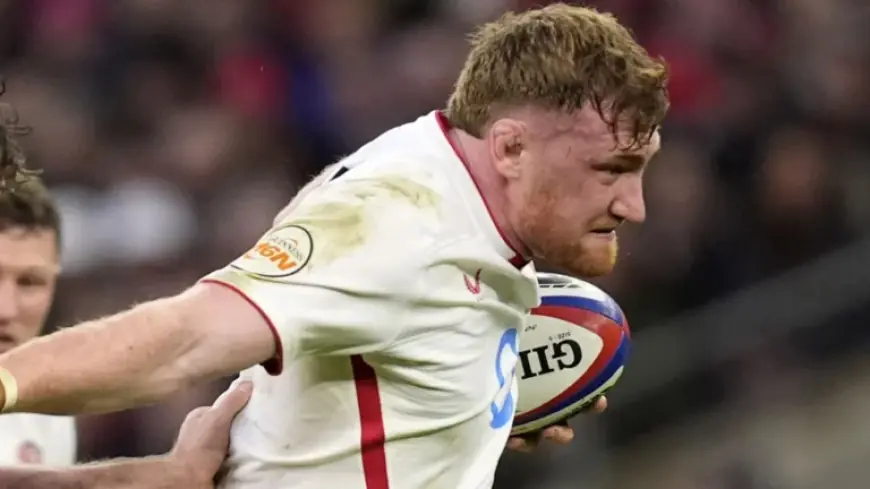
Steve Borthwick arrives in Paris under mounting pressure as England prepare for their final Six Nations fixture, with recent defeats and a single lineup change framing a contest that could deepen doubts over the campaign.
Steve Borthwick Faces Intensified Pressure
Borthwick, now three years into his tenure as head coach, has seen progress and setbacks in equal measure. He recently placed France just behind the world’s best in praise of their quality, but the 2026 championship has raised questions about the direction of his project. England’s losses to Scotland, Ireland and Italy have left the team staring at a campaign that could yield only one victory—their worst return since the tournament’s expansion in 2000.
Final Selection: One Change, Two Milestones
For the match in Paris, England have made just one alteration to the side that lost to Italy: Ollie Chessum has been named to start at blindside flanker in place of Sam Underhill, who will now be on the bench. Both Underhill and Marcus Smith are set to reach 50 caps from the replacements’ bench, marking personal milestones amid a turbulent run of results. Borthwick has opted for relative continuity after named personnel upheavals earlier in the campaign, when nine changes were introduced following back-to-back defeats.
France’s Rollercoaster and Matchday Atmosphere
France arrive having seen their own Grand Slam hopes dented by a high-scoring defeat in Scotland, a match in which the visitors suffered a heavy reversal before staging a late recovery. That result offers both a warning and an opportunity for England: it has shown vulnerabilities in the French side while also sharpening the home supporters’ appetite for a decisive performance. The Stade de France will stage a heightened build-up to the game with retro shirts and an elaborate pre-match presentation featuring poetry, pyro and Frederic Michalak, contributing to a charged atmosphere under the lights.
Tactical Questions and Calls for Attacking Freedom
Commentary within the game has pointed to England’s gameplan as a central problem. Observers argue the team has become predictable and tight in its approach, with attacking expression more evident when England are forced to chase matches. Examples cited include spirited displays in matches where England needed to overturn deficits, which produced sharper ball movement and inventiveness. Critics urge a loosening of the established plan to allow more spontaneous attacking play rather than an overreliance on getting into opposition territory without the polish to finish opportunities.
What Changed in Past Meetings and What Is at Stake
Recent history between the sides contains narrow margins that underline the fine lines at play. England’s heaviest home defeat—marked by a dominant French performance that included a try by Damian Penaud—remains a vivid memory for supporters. More recently the clubs traded narrow, dramatic results: a late penalty in Lyon and a last-gasp try that swung another meeting. Those moments illustrate both teams’ capacity for late drama and why this fixture carries significance beyond the table: it is a test of composure, adaptability and whether England can arrest a slide that threatens the wider plan laid down over Borthwick’s tenure.
With the match imminent, the immediate facts are clear: a single starting change, two players approaching 50 caps from the bench, and an England side seeking to avoid a campaign low. How the team responds in Paris will determine whether questions about tactics and selection are soothed or amplified in the days that follow.