Florida DEI Funding Ban Heads to DeSantis, Raising Stakes for Local Governments

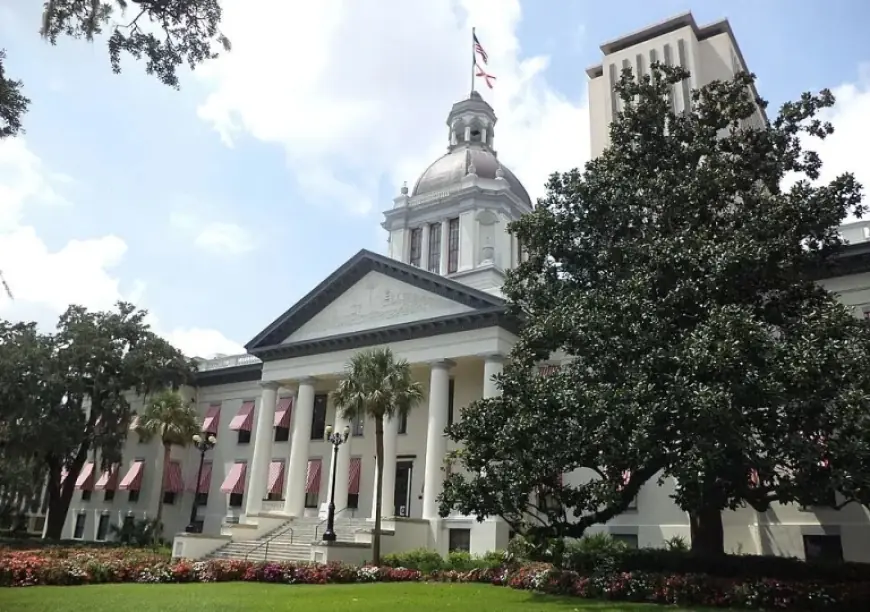
Florida lawmakers have sent a wide-ranging bill to Gov. Ron DeSantis that would bar cities and counties from funding or promoting diversity, equity, and inclusion programs and create new consequences for local elected officials who violate the restrictions.
What The Bill Would Do For Cities And Counties
The measure, SB 1134, cleared the Republican-controlled Florida House on Tuesday by a 77-37 vote and now awaits the governor’s consideration. The bill would prohibit counties and municipalities from funding or promoting DEI initiatives, and it would also prevent local governments from taking official actions that support such efforts.
In addition, the legislation would block local governments from maintaining a DEI office or employing an inclusion officer. It also states that local ordinances, resolutions, or policies tied to DEI would be considered void.
Supporters framed the proposal as a continuation of efforts to dismantle DEI in government. Jacksonville Republican Rep. Dean Black, who sponsored the House version, argued that DEI has wasted taxpayer dollars and encouraged division, saying it has fostered “resentment instead of goodwill” and “mediocrity instead of merit. ” He cited examples he said involved local-government training related to pronouns and other workplace content.
Florida Enforcement Powers And Legal Risks Under SB 1134
Beyond the funding and policy bans, SB 1134 includes enforcement provisions that opponents say could reshape how local officials approach even routine civic recognition of community activities. The bill allows individuals to bring legal action against a local government that violates its provisions.
The measure also opens the door for penalties against local elected officials. It states that officials found in violation could face misfeasance or malfeasance allegations that could lead to removal from office by the governor. Democrats argued on the House floor that the language is “vague and punitive, ” warning it could chill lawful government activity and invite litigation.
Fort Lauderdale Democratic Rep. Daryl Campbell described the bill’s wording as ambiguous enough that even mentioning an event at a county meeting or posting a flyer on a bulletin board could expose a local government to lawsuits. Democratic lawmakers attempted amendments aimed at limiting the governor’s removal authority and clarifying that local governments could permit or recognize local observances without violating the statute, but those changes failed.
Debate Over Community Events, Pride, And Local Observances
During debate, House Democrats argued the bill could reach beyond workplace training and staffing decisions to touch community events and recognitions. They warned that the proposal could affect locally supported activities, with examples raised ranging from gay pride parades to Oktoberfest, depending on how the statute is interpreted and enforced.
House Minority Leader Fentrice Driskell said the measure would create an uneven playing field for communities of color, LGBTQ individuals, women, veterans, and people with disabilities. Rep. Ashley Gantt, a Miami Democrat, also warned that lawsuits could follow and that local officials may respond by becoming overly cautious to avoid even the appearance of violating the proposed restrictions.
In a separate summary of the bill’s scope, the legislation’s DEI prohibition was described as covering funding, promotion, and official actions, with local residents empowered to sue if they believe local officials have not adhered to the new law. Under that framework, if a court were to find a violation, officials could be required to pay legal damages to residents.
Vote Breakdown And What Comes Next For Florida
The House vote included five Republicans joining Democrats in opposition: Reps. Hillary Cassel, Chip LaMarca, Jim Mooney, Will Robinson, and Paula Stark. With passage complete in the Legislature, the bill is now positioned for DeSantis to decide whether to sign it into law.
For local governments across Florida, the next step is waiting for the governor’s action and assessing what immediate changes would be required if SB 1134 takes effect. The measure’s potential reach, particularly around what constitutes “promotion” or other prohibited activity, was a central point of contention during debate and is likely to remain a focus as cities and counties consider compliance and possible legal challenges.