Old Dominion University Shooting Investigation Expands After Gun Seller Is Charged

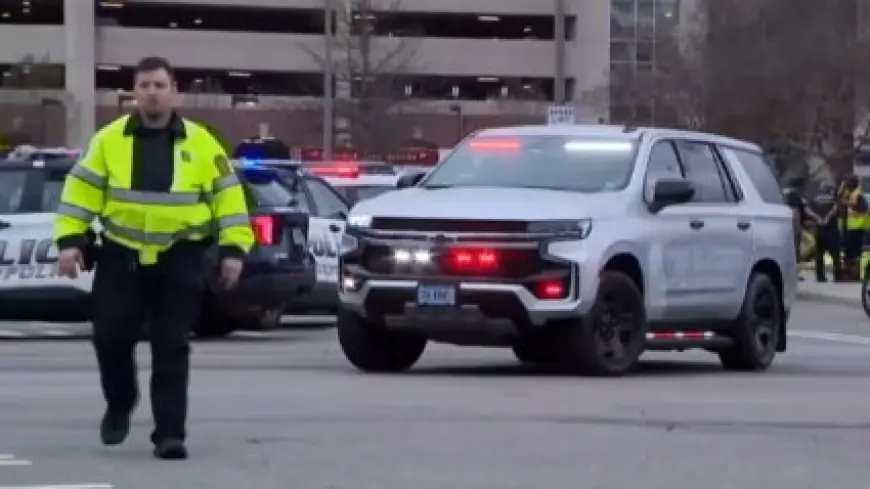
Federal prosecutors have charged a Virginia man with illegally selling the rifle used in the deadly shooting at Old Dominion University, adding a major new development to an investigation that has already been described by the FBI as terror-related.
The charge, announced Friday, shifts part of the focus from the campus attack itself to how the gun reached the shooter. The shooting unfolded on March 12 at the Norfolk campus, where Lt. Col. Brandon Shah, an Army ROTC instructor and Old Dominion graduate, was killed and two others were wounded inside a classroom before the gunman was stopped.
Gun Sale Case Opens a New Front in the Investigation
The man charged, Kenya Mcchell Chapman, 32, of Smithfield, appeared in federal court on allegations that he dealt firearms without a license and made false statements during gun purchases tied to the weapon used in the shooting.
That filing matters because it suggests investigators are moving quickly beyond the immediate crime scene and into the supply chain behind the attack. In high-profile cases, those gun-transfer details can become central to understanding whether warning signs were missed and whether additional charges may follow.
So far, the federal case against Chapman is focused on the weapon transaction itself, not on direct participation in the campus attack.
What Happened at Old Dominion University
The shooting happened Thursday, March 12, on Old Dominion’s main campus in Norfolk. University alerts said the campus faced a tragedy that day, and the school canceled classes and suspended operations on Friday to provide counseling and support services.
Authorities have identified the gunman as Mohamed Bailor Jalloh, a former Virginia National Guard member whose prior terrorism-related conviction immediately raised the stakes of the investigation. Law enforcement has said the attack is being treated as terror-related, a designation that sharply distinguishes the case from a more typical campus shooting inquiry.
One person was killed in the attack, later identified as Shah, and two others were injured. The gunman also died after the classroom confrontation.
Brandon Shah’s Death Became the Center of Virginia’s Mourning
As more details emerged, Shah was remembered not only as the victim of the attack but as a decorated Army officer and a former Old Dominion student who had returned to lead the university’s ROTC battalion.
Virginia’s governor ordered flags lowered to half-staff on Saturday, March 14, in his honor, underscoring how quickly the shooting moved from a campus emergency to a statewide moment of mourning.
That public response has also shaped the story’s direction. What began as an active-shooter emergency is now being viewed through several lenses at once: campus safety, terrorism, military service and firearm access.
Why the Gun Seller Charge Is Significant
The federal complaint against Chapman suggests investigators have already traced the rifle used in the shooting and believe the transfer violated federal law. In practical terms, that can help prosecutors build a clearer timeline of how the suspect obtained the weapon despite his criminal history.
It also raises broader questions about the gaps that still exist around illegal or informal firearm transfers. When a suspect is already prohibited from possessing a gun, attention often turns quickly to whether a sale should have happened at all and whether others ignored obvious legal barriers.
That does not answer every question about motive, planning or any possible contacts before the attack. But it does show the investigation is moving fast on one of the most concrete parts of the case.
ODU Campus Response and What Comes Next
Old Dominion moved quickly to shut down campus operations for a day after the attack, framing Friday as a time for grief support and reflection. The university has also publicly honored Shah, describing him as a dedicated public servant and a central figure in the Monarch community.
The next phase of the case is likely to unfold on two tracks. One will focus on the terror-related investigation into the shooter’s background, planning and contacts. The other will examine the firearm transaction and whether more people could face charges.
For students, faculty and families, the immediate facts are now clearer than they were in the first chaotic hours after the shooting. But the biggest unanswered questions remain the ones that often follow a campus attack: how it was allowed to happen, whether it could have been prevented and what changes may come next.