Elephant Shrew Births At Hertfordshire Zoo Spark First-Ever UK Milestone

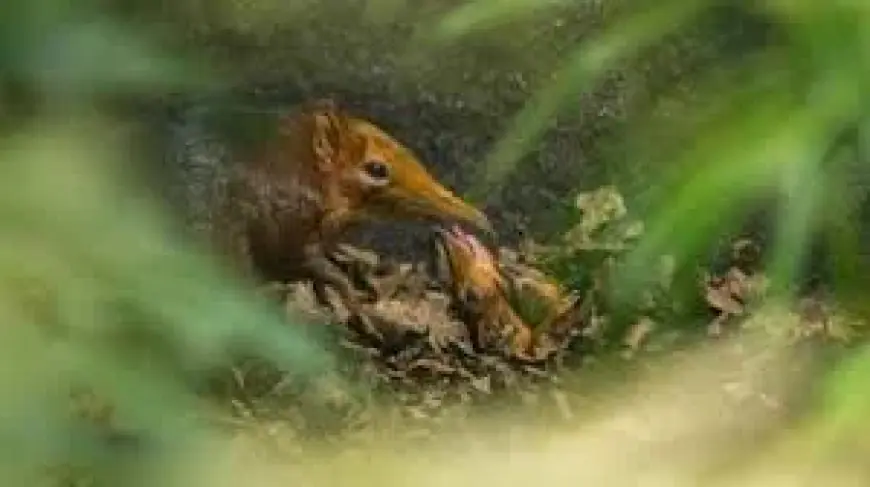
Two black and rufous elephant shrew pups have been born at Hertfordshire Zoo, marking the first recorded births of this species in the UK. The newborns weighed just 30g (1oz) at birth and were initially missed by keepers before their arrival was confirmed when overnight CCTV footage was reviewed.
Elephant Shrew Parents And Species Details
The parents, named Nuru and Mala, arrived in the UK a few months ago and have produced the first black and rufous sengi births seen domestically. The species, commonly called elephant shrews and officially renamed sengi in 1998, is more closely related to elephants, manatees and aardvarks than to true shrews. Adults weigh around 1. 54 lbs (700g) and are capable of running up to 15 mph (25km/h). Their diet includes invertebrates such as ants and termites, alongside fruit and seeds.
How The Births Were Discovered And What It Means
Keepers initially missed the births; the zoo confirmed them after staff reviewed overnight CCTV recordings. The successful breeding programme has been described as a “significant victory for the wider zoological community, ” with only a handful of black and rufous sengi currently residing in the UK. The rapid breeding following the parents’ recent arrival has been highlighted by the zoo’s management as evidence of high-quality husbandry.
Monitoring, Public Viewing And Next Steps
The newborns are being monitored by the zoo’s veterinary team. While they are spending much of their time in their nesting area, they are expected to be on view to the public in the coming weeks. “To have the first-ever black and rufous sengi birth in the UK is an incredible feeling. To see them successfully breed so quickly is a testament to the world-class care provided by our team, ” said the zoo’s managing director. He added, “These pups are growing incredibly fast and are already showing the same high-energy, inquisitive traits as their parents. “
Conservation Context And Local Significance
Zoo officials characterized the births as an important moment for captive breeding efforts of this species within the country. The arrival and successful breeding of these animals adds to the small number of black and rufous sengi currently kept domestically and is being positioned as a boost to the broader zoological community’s capacity to care for and maintain genetic diversity in captive populations.
The zoo will continue veterinary monitoring and care as the pups develop. Public viewing arrangements will follow once keepers determine the young are ready to leave their nesting area, with further updates expected as the animals grow.