Banksy Artist Network in Britain Leaves Secrecy Intact After Identity Claim Sparks Legal Denial

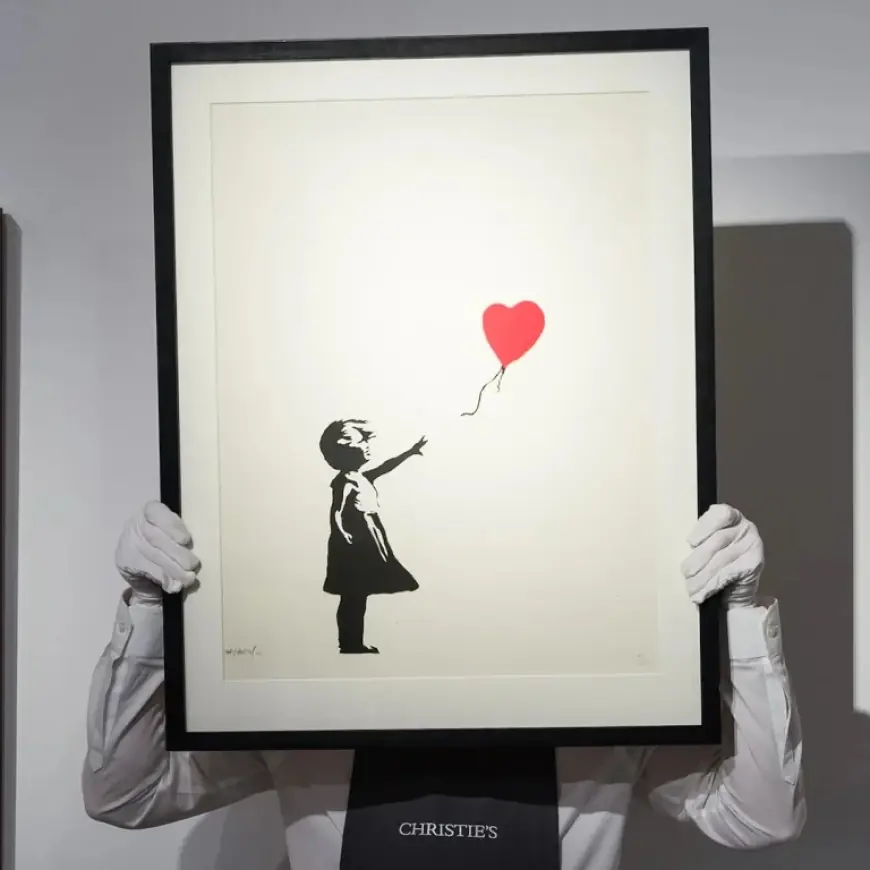
The most recent coverage of the banksy artist centers on two linked developments: an investigation that mapped a network of British companies and high-value secondary-market sales, and a separate inquiry that named a possible legal identity — a claim met with a forceful denial from the artist’s lawyer.
Banksy Artist Identity Draws Legal Denial
A lengthy investigative report published March 13 identified a Bristol-born man who changed his name around 2008 as a candidate for Banksy’s legal identity. The artist’s longtime lawyer said the artist “does not accept that many of the details contained within your enquiry are correct, ” and emphasized that anonymity is vital because the artist has been “subjected to fixated, threatening and extremist behavior. ” Pest Control Office, the authentication and business body tied to the artist, “has decided to say nothing. “
The artist’s former manager said he arranged a legal name change when they parted ways in 2008 and asserted that “there is no Robin Gunningham, ” adding that the name was effectively discontinued. He declined to disclose the artist’s new legal moniker but said of the search, “Life-wise, you’ll never find him. ” These statements leave the identity claim contested and unresolved.
Opaque Corporate Web and Market Numbers
An investigation traced a constellation of British companies linked to the artist, with the Pest Control Office at the center. Pest Control serves as both an authentication body and a business operation; its parent company, Picturesonwalls Limited, formerly ran a London gallery. The filings reviewed show financial growth over time: Pest Control’s first financial report in 2009 listed total assets of £243, 019 and by 2015 that had grown to £2. 7 million, including £1. 1 million in cash. The latest report for 2024 shows total net assets of about £5. 7 million, comprising £4. 4 million in cash and £1. 2 million in “stocks. ” Picturesonwalls Limited’s latest report lists total net assets of £2. 5 million, including £1 million in cash, up from £63, 013 in its first reporting period ending June 2005.
The sale of pieces attributed to the artist has produced large sums on the secondary market: data compiled by an art market research firm estimates roughly US$248. 8 million in secondary-market sales since 2015. The banksy artist receives only a small fraction of those resales through a U. K. legal provision that entitles artists to royalties, even as private sales reportedly yield direct millions when transactions are handled through invite-only channels.
Private Exhibitions, Restrictive Terms and Market Control
Investigators described private events and secret exhibitions held for invited collectors. One February 2024 event in a Shoreditch basement reportedly included previously unseen original works and sales that included a print that sold for £15, 000 and a scrap-metal Madonna with Child that fetched £500, 000. Buyers at that event signed three-year non-resale agreements and nondisclosure agreements. The gallery that once sold affordable prints closed in 2017 with a sardonic farewell noting that “disaster struck” when its artists became successful, an acknowledgment of the tension between public access and escalating market values.
Those private arrangements, coupled with the corporate structures used for authentication and sales, contribute to a market where most works change hands through private collectors, galleries, and auction houses without apparent direct financial participation by the artist in many transactions. That setup has prompted debate about control, access and how much the artist benefits from the dramatic appreciation of works.
What Is Clear — And What Remains Unresolved
Established facts in the record show a complex commercial apparatus tied to the artist, measurable growth in company assets, and substantial secondary-market sales. At the same time, the identity question remains contested: a published inquiry named a likely legal identity, but the lawyer for the artist rejected many of the inquiry’s details and Pest Control issued no comment on the matter. Assertions by a former manager that a prior name was abandoned further complicate the public picture.
Observers following corporate filings, sales data and legal statements will be watching for formal legal moves, further corporate filings, or direct comment from the artist’s business operations to clarify both identity and financial arrangements. For now, significant elements — identity, private-sale practices, and the precise financial flows from high-end transactions — remain under dispute or not fully detailed in the public record.