Missile Strike on US Embassy in Baghdad Triggers Smoke and Regional Tensions

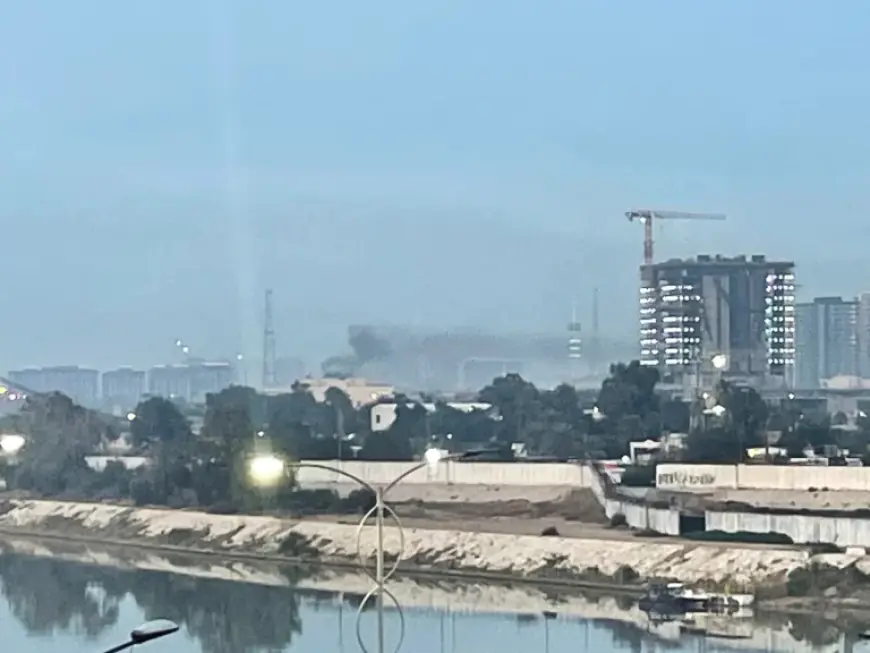
A missile struck the US embassy compound in baghdad, landing inside the fortified Green Zone and striking a helipad, video and official statements show. Smoke and fire were visible across the sprawling diplomatic site as local security sources described damage to defensive installations.
Attack And Immediate Impact
The projectile landed within the embassy boundaries and struck a helipad inside the mission, setting off fires and sending plumes of smoke across the compound. Video clips circulating after the strike show flames and heavy smoke rising above the facility. An Iraqi security source said the attack destroyed part of the compound’s air-defence system. There was no immediate comment from the embassy on casualties or further damage.
Baghdad Compound Damage And Uncertainty Over Casualties
Initial information left the human toll unclear. There was no immediate official statement on whether there were casualties or the exact extent of structural damage. Initial reports noted that parts of the embassy’s defensive gear were damaged, and the missile impact was confined to areas inside the compound. Initial video showed smoke rising from the compound in baghdad, but details about injured personnel or the operational status of the mission remained unconfirmed.
Context, Claims And Wider Regional Repercussions
The strike came amid a series of regional hostilities that have included cross-border and proxy attacks. The attack followed other recent strikes that hit a powerful Iran-backed group and killed two of its members, including an individual described as a key figure by security commentators. Separately, a national leader declared that every military target on a strategic Iranian oil terminal had been “totally obliterated, ” while noting there was no damage to oil infrastructure. Tehran issued a warning that oil and energy infrastructure linked to firms cooperating with the United States would be “turned into a pile of ashes” if Iran’s energy facilities were attacked.
Other developments in the theatre continued to escalate: armed forces struck a weapon storage site in southern Lebanon and clashes elsewhere prompted evacuation warnings for some urban industrial areas. Military planners were also reported to be preparing to increase deployments of marines and warships to the region. Those moves reflect heightened concern about further strikes and retaliatory attacks that could broaden the conflict beyond individual incidents.
Why This Matters And What Comes Next
The embassy complex struck is one of the largest diplomatic facilities in the world and has been targeted in past attacks. Damage to its defensive systems and a successful strike inside its perimeter represent both a symbolic and practical escalation, raising questions about the safety of diplomatic personnel and the ability to protect key installations in volatile environments.
At present, investigators and security officials are working to establish the origin of the missile, the weapons used and whether the strike was part of coordinated operations by armed groups. Casualty figures and a full damage assessment remain pending. The incident is likely to shape immediate diplomatic and military responses in the region as governments evaluate force posture and protective measures for overseas missions.
Authorities caution that details are still emerging and that assessments may change as officials complete on-site inspections and collect further evidence.