Freo Game At GMHBA Stadium Leaves Dockers Short As Cats Rally For First Win

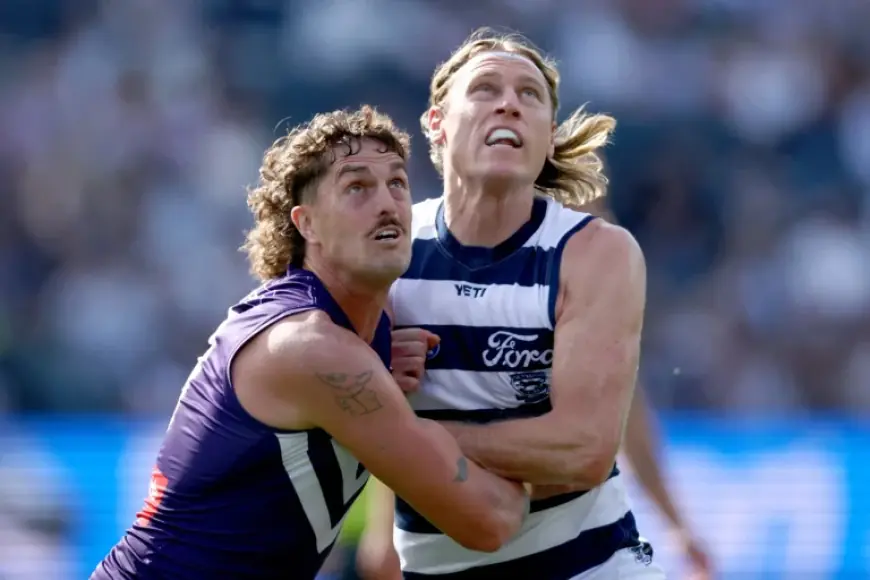
Geelong staged a dramatic recovery to defeat Fremantle 16. 14 to 14. 16 at GMHBA Stadium, overturning a near 50-year low opening term and securing their first win of 2026 in a match billed as a pivotal Freo Game at the venue.
Freo Game: Turning Point and Key Performances
The match swung decisively after an opening term in which Geelong conceded 8. 4, their equal worst start at GMHBA Stadium since 1983. A blistering second quarter, sparked by three quick goals from Shaun Mannagh in a 10-minute burst, cut the deficit and set the stage for a momentum shift that Fremantle could not arrest.
Shannon Neale emerged as the primary attacking influence for Geelong, finishing with five goals and supplying the cutting edge after half time. Jack Martin delivered the decisive lift late, kicking the goal that put the Cats ahead in the final quarter and ended Fremantle’s 101-minute hold on the match.
For the visitors, Luke Jackson produced a strong individual performance across several facets of play, compiling 27 disposals, 10 clearances, eight tackles, 22 hitouts and a goal, but his efforts were insufficient to stem Geelong’s surge after quarter time.
How the Cats Reversed a Historic Low
The comeback followed a stern halftime rebuke from the coaching staff that the team acknowledged as a turning point. Players responded with increased pressure and sharper ball movement; Max Holmes recorded 35 disposals while Bailey Smith contributed 29 touches and a goal, both stepping up as Patrick Dangerfield’s managed minutes limited his influence early.
Geelong’s fightback erased the early scoreboard hole and turned a potentially alarming start into a 10-point victory, 16. 14 to 14. 16. The win represented a sharp reversal from the side’s opening-round struggles and prevented an 0-2 start at the very outset of the season.
Selection Notes, Team Context and Immediate Stakes
The Cats returned key personnel for the clash, with Patrick Dangerfield and Jeremy Cameron back in the side and Mitch Edwards making his AFL debut. James Worpel remained sidelined through injury, while Ollie Henry and Mitch Knevitt were omitted following the earlier heavy loss.
Fremantle’s line-up included fresh names and established contributors, with a noted ruck presence and talent across the park, but the team stalled after quarter time and was unable to convert its opportunities into a match-winning return. The defeat will leave questions about Fremantle’s consistency, even as the club has been described as on an upward trajectory after list development in recent seasons.
The result also carried immediate competition consequences: Geelong avoided an early two-loss start that would have been rare for the club over the past two decades, while Fremantle’s promising personnel did not translate into the expected road success at a venue where they had secured two wins from their previous three visits.
With both clubs now having clear evidence of strengths and vulnerabilities from the opening rounds, attention will turn to how each addresses form and selection ahead of their next fixtures. For Geelong, the win offers a reset after a deeply concerning opening term; for Fremantle, it highlights areas for refinement if the club is to justify expectations about its rise.